


By Rowie
Understanding Distinct Roles in the Lead Lifecycle
Foundations of Market Continuity
Every organization depends on a clear process to transform potential interest into measurable results. The lead lifecycle serves as the structure that guides this transformation. It defines how new opportunities emerge, develop, and become enduring partnerships. Each function in this cycle carries a distinct role that influences long-term success.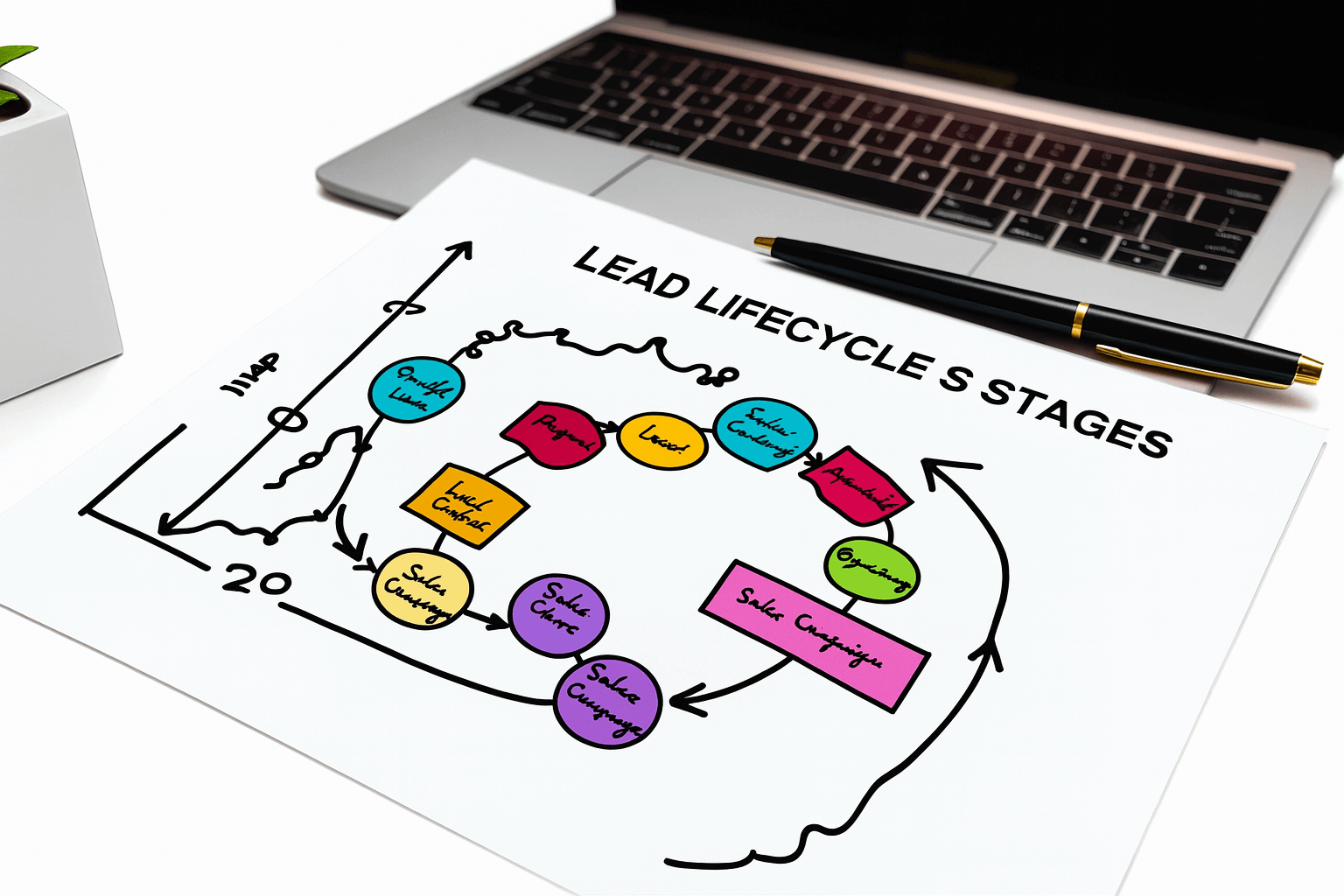
Businesses in competitive industries rely on defined roles to avoid overlap and confusion. Without organization, communication breaks down and potential leads are lost. By understanding these distinct phases, leaders can align teams, balance priorities, and improve collaboration across departments.
The lead lifecycle is not only a linear journey. It is a network of interactions where marketing, sales, and client relations connect. From the first introduction to the continued support phase, every step builds the foundation for sustainable growth.
Origins of Client Opportunity
The beginning of every successful relationship lies in how awareness is created. The Foundation of Effective Lead Generation sets this stage. It identifies potential audiences and introduces them to a product or service that aligns with their needs.
True generation goes beyond simple exposure. It is about crafting connections through relevance and trust. When communication resonates with an audience, it transforms curiosity into genuine interest. This process involves both creativity and precision, blending content and analytics to attract the right people at the right time.
In modern services, generation requires collaboration between data analysts and marketing teams. They work together to track engagement and predict what clients may need next. This approach creates a continuous flow of qualified prospects who are ready for the next step in their journey.
Strategic Foundations of Business Growth
After interest is established, momentum depends on how effectively it is converted into action. The Structured Process of Lead Sales focuses on nurturing prospects into active clients through meaningful interaction and genuine understanding.
Sales teams act as connectors between aspiration and achievement. They listen, clarify goals, and provide customized solutions. Each conversation becomes an opportunity to shape trust and present value. When handled with care, this stage solidifies the credibility of the brand and sets the tone for long-term cooperation.
In professional operations, every touchpoint within sales is supported by data and transparency. It ensures that every offer is relevant and every solution adds measurable benefit. A strategic sales structure creates consistency, fosters accountability, and promotes higher engagement levels across departments.
Pathways of Measurable Impact
Once prospects are engaged, the next challenge lies in turning that engagement into results. The Analytical Role of Lead Conversion ensures that intent becomes measurable growth. Conversion involves interpreting behavioral signals, identifying barriers, and providing reassurance that supports confident decision-making.
Conversion thrives when information flows smoothly between departments. Teams equipped with accurate insights can personalize communication and improve response time. By understanding the mindset of clients, conversion specialists can anticipate needs and resolve hesitation.
For growing organizations, this analytical phase provides crucial feedback for future improvements. Conversion data reveals where opportunities are lost and where strategies succeed. These insights influence marketing adjustments, strengthen outreach, and enhance client experience across future campaigns.
Continuity Across Client Experience
Once a client is secured, the process continues through sustained engagement. The Continuous Value of Lead Support focuses on maintaining satisfaction and loyalty long after the initial sale.
Support is not reactive but proactive. It anticipates questions, provides reassurance, and nurtures confidence. This phase is often the key difference between one-time buyers and long-term partners. By reinforcing trust, businesses turn satisfied clients into advocates.
Effective support connects people to solutions. When communication remains consistent, the organization shows commitment beyond profit. Each resolved concern strengthens the overall perception of reliability and service quality.
For many companies, the support structure is an extension of brand identity. It reinforces professionalism while offering a personal touch that clients remember. The stronger this phase becomes, the more future opportunities it creates.
Integration Across Organizational Flow
How do these roles connect within one unified framework? Each function, generation, sales, conversion, and support, builds on the previous stage. The transition between them defines the rhythm of business operations.
When departments operate independently, the process becomes fragmented. However, when coordination exists, efficiency rises. Shared systems and open communication eliminate duplication of effort and reduce delays. Clients notice this harmony through seamless interactions and reliable outcomes.
Integrated workflows also encourage stronger internal collaboration. Leaders can track performance across touchpoints and measure impact with precision. This creates a cycle of learning and refinement that supports innovation.
The integration of these lead processes within BPOManila shows how efficiency and structure can coexist. Its framework ensures that teams work toward a single goal, consistent growth driven by clarity, connection, and client focus.
Which Role Defines Lasting Success
The strength of a company often depends on its ability to balance every role within the lead lifecycle. Each stage adds a specific layer of value. Generation introduces awareness, sales convert interest, conversion secures commitment, and support maintains connection. Together, they form a system of continuous progress.
The question becomes not which stage is most important but how well they interact. A gap in any role weakens the chain. When all four perform with equal precision, the organization experiences resilience even during market shifts.
This alignment empowers teams to forecast results, adjust quickly, and retain confidence in their approach. A balanced lifecycle transforms operations from reactive to strategic, ensuring that every effort contributes to measurable growth.
Long Term Vision for Client Relations
Every client relationship has the potential to grow beyond initial transactions. The long-term vision lies in how businesses maintain consistency, deliver promises, and build loyalty. Sustained success comes from a cycle that evolves with market demand and client expectations.
Strong strategies for client relations require listening as much as leading. They combine adaptability with reliability, ensuring clients feel supported at every stage. As teams refine communication and integrate feedback, they cultivate genuine trust that encourages repeat business.
To elevate your organization’s client network, focus on unity across departments. Invest in understanding how each function contributes to shared success. When the entire lifecycle operates with transparency and collaboration, your business becomes more agile and responsive to change.
Unlock growth by embracing this integrated perspective. Build not just conversions but enduring partnerships that define excellence across every interaction.









 Enhanced Client Experience Through Seamless Connections










 Emotional synchrony connects directly to service quality. Agents who can align tone and empathy with client emotions deliver meaningful experiences. Each conversation becomes an extension of calm professionalism, not an obligation.
 The Role of Technology in Cognitive Support
 Recovery defines long-term sustainability. Employees cannot perform at high levels without time for mental reset. Encouraging small, intentional pauses prevents burnout and restores motivation. The most effective teams treat rest as part of productivity, not a contrast to it.