

Understanding Distinct Roles in the Lead Lifecycle

Foundations of Market Continuity

Every organization depends on a clear process to transform potential interest into measurable results. The lead lifecycle serves as the structure that guides this transformation. It defines how new opportunities emerge, develop, and become enduring partnerships. Each function in this cycle carries a distinct role that influences long-term success.
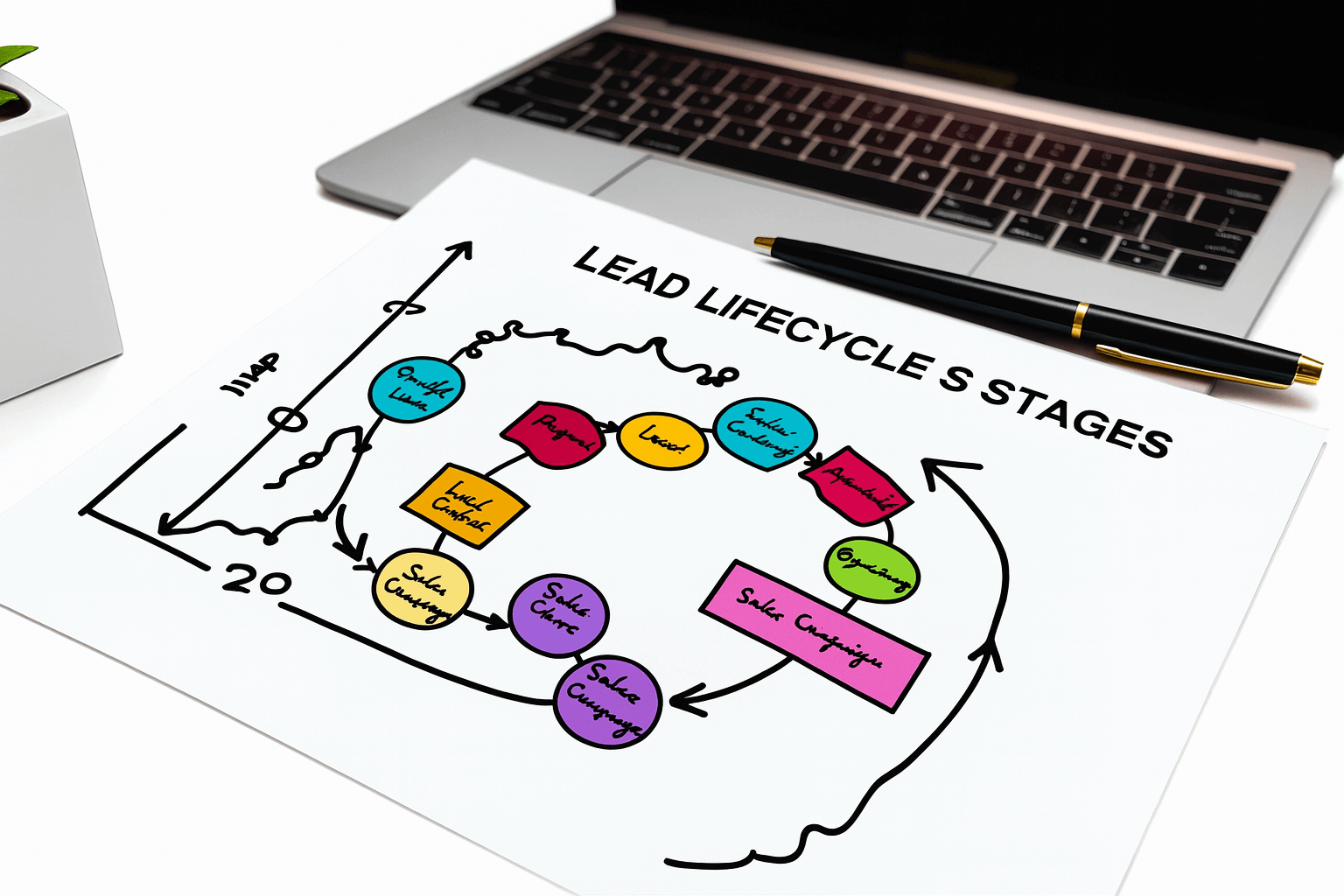
Businesses in competitive industries rely on defined roles to avoid overlap and confusion. Without organization, communication breaks down and potential leads are lost. By understanding these distinct phases, leaders can align teams, balance priorities, and improve collaboration across departments.

The lead lifecycle is not only a linear journey. It is a network of interactions where marketing, sales, and client relations connect. From the first introduction to the continued support phase, every step builds the foundation for sustainable growth.

Origins of Client Opportunity

The beginning of every successful relationship lies in how awareness is created. The Foundation of Effective Lead Generation sets this stage. It identifies potential audiences and introduces them to a product or service that aligns with their needs.

True generation goes beyond simple exposure. It is about crafting connections through relevance and trust. When communication resonates with an audience, it transforms curiosity into genuine interest. This process involves both creativity and precision, blending content and analytics to attract the right people at the right time.

In modern services, generation requires collaboration between data analysts and marketing teams. They work together to track engagement and predict what clients may need next. This approach creates a continuous flow of qualified prospects who are ready for the next step in their journey.

Strategic Foundations of Business Growth

After interest is established, momentum depends on how effectively it is converted into action. The Structured Process of Lead Sales focuses on nurturing prospects into active clients through meaningful interaction and genuine understanding.

Sales teams act as connectors between aspiration and achievement. They listen, clarify goals, and provide customized solutions. Each conversation becomes an opportunity to shape trust and present value. When handled with care, this stage solidifies the credibility of the brand and sets the tone for long-term cooperation.

In professional operations, every touchpoint within sales is supported by data and transparency. It ensures that every offer is relevant and every solution adds measurable benefit. A strategic sales structure creates consistency, fosters accountability, and promotes higher engagement levels across departments.

Pathways of Measurable Impact

Once prospects are engaged, the next challenge lies in turning that engagement into results. The Analytical Role of Lead Conversion ensures that intent becomes measurable growth. Conversion involves interpreting behavioral signals, identifying barriers, and providing reassurance that supports confident decision-making.

Conversion thrives when information flows smoothly between departments. Teams equipped with accurate insights can personalize communication and improve response time. By understanding the mindset of clients, conversion specialists can anticipate needs and resolve hesitation.

For growing organizations, this analytical phase provides crucial feedback for future improvements. Conversion data reveals where opportunities are lost and where strategies succeed. These insights influence marketing adjustments, strengthen outreach, and enhance client experience across future campaigns.

Continuity Across Client Experience

Once a client is secured, the process continues through sustained engagement. The Continuous Value of Lead Support focuses on maintaining satisfaction and loyalty long after the initial sale.

Support is not reactive but proactive. It anticipates questions, provides reassurance, and nurtures confidence. This phase is often the key difference between one-time buyers and long-term partners. By reinforcing trust, businesses turn satisfied clients into advocates.

Effective support connects people to solutions. When communication remains consistent, the organization shows commitment beyond profit. Each resolved concern strengthens the overall perception of reliability and service quality.

For many companies, the support structure is an extension of brand identity. It reinforces professionalism while offering a personal touch that clients remember. The stronger this phase becomes, the more future opportunities it creates.

Integration Across Organizational Flow

How do these roles connect within one unified framework? Each function, generation, sales, conversion, and support, builds on the previous stage. The transition between them defines the rhythm of business operations.

When departments operate independently, the process becomes fragmented. However, when coordination exists, efficiency rises. Shared systems and open communication eliminate duplication of effort and reduce delays. Clients notice this harmony through seamless interactions and reliable outcomes.

Integrated workflows also encourage stronger internal collaboration. Leaders can track performance across touchpoints and measure impact with precision. This creates a cycle of learning and refinement that supports innovation.

The integration of these lead processes within BPOManila shows how efficiency and structure can coexist. Its framework ensures that teams work toward a single goal, consistent growth driven by clarity, connection, and client focus.

Which Role Defines Lasting Success

The strength of a company often depends on its ability to balance every role within the lead lifecycle. Each stage adds a specific layer of value. Generation introduces awareness, sales convert interest, conversion secures commitment, and support maintains connection. Together, they form a system of continuous progress.

The question becomes not which stage is most important but how well they interact. A gap in any role weakens the chain. When all four perform with equal precision, the organization experiences resilience even during market shifts.

This alignment empowers teams to forecast results, adjust quickly, and retain confidence in their approach. A balanced lifecycle transforms operations from reactive to strategic, ensuring that every effort contributes to measurable growth.

Long Term Vision for Client Relations

Every client relationship has the potential to grow beyond initial transactions. The long-term vision lies in how businesses maintain consistency, deliver promises, and build loyalty. Sustained success comes from a cycle that evolves with market demand and client expectations.

Strong strategies for client relations require listening as much as leading. They combine adaptability with reliability, ensuring clients feel supported at every stage. As teams refine communication and integrate feedback, they cultivate genuine trust that encourages repeat business.

To elevate your organization’s client network, focus on unity across departments. Invest in understanding how each function contributes to shared success. When the entire lifecycle operates with transparency and collaboration, your business becomes more agile and responsive to change.

Unlock growth by embracing this integrated perspective. Build not just conversions but enduring partnerships that define excellence across every interaction.


Industry Alliances in Modern Service Environments

Integrated Foundations in Expanding Markets

Every modern business depends on its ability to connect ideas, people, and industries. The concept of Industry Alliances in Modern Service Environments defines how those connections turn into structured systems that drive consistent progress.

Across today’s markets, industries link through shared goals rather than competition. Intelligent service environments bring together technology and human expertise to deliver adaptable solutions. In this setting, professionals within call centers become architects of trust. They merge efficiency and empathy, shaping how businesses communicate and evolve.

These integrated foundations are not temporary trends. They represent how sustainable partnerships are built through understanding, patience, and continuous innovation.

Evolving Networks in Intelligent Operations

Growth in business process outsourcing comes from understanding interdependence. Each service works as part of a network that supports long term performance. Modern systems use smart tools and guided data to make these services more intuitive and more responsive to change.

The strength of these networks comes from people who adapt quickly. Agents trained to manage high volumes and multiple platforms bring clarity to complex systems. Whether through technical troubleshooting or customer outreach, they ensure that each connection leads to improved results.

Industries rely on these intelligent operations to manage volume, streamline efficiency, and maintain brand reputation. When human skill meets structured systems, innovation becomes repeatable and measurable.

Dynamic Structures in Service Development

Every industry requires flexibility to stay relevant. Modern service environments achieve this through adaptable structures that adjust to client demand and technological advancement. These systems allow organizations to scale without losing quality or focus.

Inside these operations, Customer Service, Lead Conversion, and Debt Collection teams work in sync. Their functions overlap to maintain both precision and human understanding. When service structures adapt, response times shorten, and communication improves.

This approach transforms the way businesses manage their clients. It combines logic with empathy, ensuring each customer interaction contributes to long term value rather than short term solutions.

Human Focus in Emerging Systems

Modern industries have learned that automation alone cannot replace personal attention. Within intelligent environments, success still begins with people. Training programs now emphasize soft skills as much as technical knowledge.

Agents learn how to manage tone, timing, and emotional context. Their awareness helps transform complex communication into meaningful experiences. These professionals support sectors such as FinTech, HealthTech, and Retail + eCommerce, balancing empathy with efficiency.

By keeping a human focus, service networks avoid the cold precision of automation. Instead, they build emotional reliability that sustains business continuity and client loyalty.

Interconnected Pathways in Global Services

Industries today expand beyond borders. Their clients come from different time zones, languages, and expectations. Intelligent service environments manage this scale through interconnected pathways that ensure consistency across global channels.

Professionals handling sectors such as Entertainment + Gaming, Technology, and On Demand Travel + Transportation manage vast networks of communication. They coordinate across digital platforms while maintaining brand tone and user satisfaction.

What makes these alliances effective is their structure. Every agent, supervisor, and developer works within the same framework of clarity and respect. This interconnection ensures that even large scale operations retain a human voice that customers can trust.

Innovation Flow in Service Design

Service innovation depends on rhythm. When systems operate fluidly, communication moves naturally between teams and clients. In intelligent service environments, every department contributes to that flow.

IT specialists enhance infrastructure, analysts refine processes, and agents apply feedback to improve outcomes. This circular system of improvement defines modern business process design. It ensures each service, whether it involves Customer Service for E-commerce and Retailers or technology integration, stays relevant to market needs.

Innovation becomes a shared culture rather than a one time upgrade. It relies on a continuous exchange of ideas, where technology and people evolve together.

Unified Vision Through Intelligent Service Growth

Progress in outsourcing depends on shared purpose. Intelligent service growth connects industries, systems, and people into one aligned direction. Every call answered, lead converted, or inquiry resolved contributes to that goal.

Organizations now seek alliances that extend beyond transactions. They value relationships that improve both customer satisfaction and operational performance. Through a balanced environment of technology and human understanding, businesses achieve stability and long term success.

BPOManila continues to develop these alliances with a vision centered on people. The future of intelligent service depends on professionals who treat each connection as part of something greater.

Join a unified vision where service growth meets human understanding. Reach out today and learn how intelligent partnerships can elevate your brand beyond traditional boundaries.

Service Networks Within Intelligent Operations

Smart Frameworks in Unified Service Systems

The growth of global outsourcing continues to rely on structured, intelligent systems that combine human expertise with reliable processes. Within this evolution, Service Networks Within Intelligent Operations redefine how every service connects to a broader business ecosystem. These networks focus on skill coordination and workflow alignment, allowing call centers to operate with greater consistency, speed, and empathy.

In today’s data-driven world, a networked service structure goes beyond traditional support. It helps organizations understand client needs, align operations with measurable outcomes, and maintain clear communication across every channel. Through this approach, call centers function not as isolated units but as integrated extensions of the industries they represent.

Structured Processes in Lead Sales Development

Among the most vital aspects of modern operations is the strength of Lead Sales. This service connects outreach and opportunity by building genuine relationships with potential customers. Within structured service networks, lead strategies are informed by organized data, clear communication, and consistent performance tracking.

Experienced sales agents rely on observation, experience, and client feedback to refine every interaction. Their focus is on active listening and thoughtful engagement rather than automated prediction. These professionals guide clients through meaningful conversations that strengthen loyalty and drive sustainable growth. Continuous evaluation ensures that every lead aligns with company objectives, demonstrating how accuracy and empathy work together in real business development.

Adaptive Models in IT Support Operations

Every successful BPO operation depends on its technical foundation. IT Support serves as the backbone of communication, system reliability, and workflow stability. Intelligent operations integrate IT functions not only as maintenance tools but as ongoing support systems that enable seamless productivity.

Technicians monitor performance, manage configurations, and ensure that service tools function without disruption. When technical issues arise, response time and accuracy define success. These teams rely on problem-solving, communication, and coordination rather than full automation. Their ability to adapt quickly ensures uninterrupted operations and strengthens confidence between clients and providers.

Precision Methods in QA Monitoring Systems

Sustainable performance begins with quality. Through QA Monitoring, organizations ensure that every conversation, email, or message represents accuracy and professionalism. Intelligent service networks treat quality assurance not as a static checklist but as an active feedback system that encourages learning and improvement.

Each monitored interaction provides insights that help refine tone, clarity, and consistency. QA analysts work closely with agents to identify patterns and share constructive feedback. Instead of focusing solely on errors, this approach promotes growth and motivation. By aligning expectations with measurable standards, QA becomes the shared language between agents, supervisors, and clients.

Evolving Approaches in Customer Service for E-commerce and Retailers

The world of Customer Service for E-commerce and Retailers demands a unique mix of precision, empathy, and flexibility. Customers expect accurate information and prompt responses whether they reach out via chat, email, or phone. Intelligent operations improve these experiences by organizing communication systems, not automating them entirely.

Agents manage multiple platforms with the help of accessible dashboards that display order history, inquiries, and status updates. These tools enhance responsiveness, but the human approach still defines customer loyalty. Agents who understand tone, timing, and brand identity provide consistent service that builds long-term relationships and encourages repeat business.

Strategic Development in Lead Generation Networks

The ability to attract interest and build a client base remains a key driver of growth. Within Lead Generation, strategy and communication work hand in hand. Agents conduct research, evaluate potential markets, and nurture prospects into partnerships through consistent engagement.

Structured processes guide each step, from identifying audiences to confirming interest, ensuring accuracy in every connection. Tools that organize contact information and track communication history support the process, but human judgment defines success. Each conversation reflects trust, understanding, and attention to client goals.

When Lead Sales, Lead Generation, and Customer Service operate as interconnected functions, businesses gain a more holistic model for relationship management. The result is an environment where adaptability and accountability reinforce one another.

How Intelligent Operations Shape the Future of Services

The future of outsourcing depends on the balance between structure and empathy. Intelligent operations strengthen that balance by organizing services around people rather than replacing them. These environments rely on coordination, measurable processes, and ongoing communication across departments.

Industries like FinTech, HealthTech, Retail + eCommerce, and Technology already depend on these systems. Financial platforms require secure communication, healthcare systems value compassion, and retail brands depend on consistency. In every field, professionals apply their knowledge and awareness to deliver quality that technology alone cannot achieve.

Human-led service remains at the core of intelligent progress. It ensures that innovation enhances, not replaces, professional judgment and interpersonal connection.

Next Stage of Integrated Service Growth

As modern outsourcing evolves, integration becomes the defining principle of progress. Intelligent operations bring departments together, allowing communication and data to flow smoothly while preserving human connection. Each successful interaction contributes to a network built on trust and consistency.

BPOManila continues to promote systems that merge structure with understanding. Progress in customer service depends on the ability to use tools wisely and empower people fully. The goal is not complete automation but thoughtful alignment,  where every service, from sales to support, strengthens the overall client experience.

Discover how structured service networks can redefine your operations. Connect with our team today and see how organized, human-centered systems create smarter business outcomes.

What Makes Automatic Call Routing a Key to Productivity

Strategic Flow of Call Handling Efficiency

Automatic call routing transforms how contact centers manage communication. It directs incoming calls to the right agents instantly, saving time and increasing output. When every call reaches the correct department, the entire process becomes smoother. Employees spend less time transferring calls and more time resolving client needs.

For high-volume businesses, efficiency is a measure of survival. Every second saved adds value. Automatic call routing keeps operations steady and prevents service delays. This smart flow ensures no client feels neglected and no agent feels overloaded.

The technology behind routing systems helps align business goals with daily performance, bringing precision to every interaction. It’s an invisible system that shapes reliable customer service and boosts overall productivity.

Enhanced Client Experience Through Seamless Connections


Clients expect quick assistance when they reach out. Automatic call routing ensures this by sending them directly to the right specialist. It eliminates unnecessary transfers and long waits. Each connection feels intentional and efficient.

With intelligent algorithms, routing systems can recognize call patterns, skill levels, and even priority clients. The outcome is a service experience that feels personal and reliable. Companies using such systems enjoy better feedback and stronger customer loyalty.

When the communication process is seamless, clients stay engaged. They appreciate consistency and return for more interactions, strengthening the relationship between company and customer.

Intelligent Integration Across Multiple Industries

Automatic call routing fits into diverse industries such as FinTech, healthcare, and retail and ecommerce. Its adaptability allows businesses to customize how they manage communication.

In FinTech, routing ensures that sensitive calls reach agents trained to handle compliance or financial details. In healthcare, time-sensitive inquiries are directed to specialists who can assist patients promptly. In retail and ecommerce, clients receive faster order updates or return support, improving satisfaction and trust.

Every industry relies on communication flow. By integrating automatic call routing, businesses strengthen their response time, reduce human error, and maintain consistency across departments.

Empowering Teams Through Targeted Call Allocation

Agents thrive when they can focus on what they do best. Automatic call routing enables this by distributing calls based on skills, workload, and experience. The result is a balanced workflow that motivates teams and minimizes fatigue.

This system supports specialized departments such as IT support and lead generation. Instead of random assignment, calls are automatically directed to agents who possess the right expertise. That reduces repeat handling and increases resolution rates.

By aligning skill and demand, routing enhances productivity while improving job satisfaction. Agents work with confidence, knowing that the system backs their efficiency.

How Does Automatic Call Routing Strengthen Quality Control

Automatic call routing contributes to quality assurance by promoting consistent performance. Each call reaches an agent qualified to manage that particular inquiry. This ensures fewer mistakes and higher service standards.

Supervisors benefit from clearer oversight. They can track performance metrics, identify bottlenecks, and adjust routing logic based on real data. Quality checks become easier because each agent’s workload and call type are traceable.

Better control means better outcomes. Customers experience fewer transfers, employees gain more confidence, and managers receive actionable insights to refine operations continually.

Technology Alignment with Modern Business Goals

In today’s dynamic environment, businesses rely on systems that blend automation with strategy. Automatic call routing integrates perfectly within business process outsourcing frameworks. It syncs with CRM tools, workforce management platforms, and analytics dashboards to improve efficiency.

When aligned with broader goals, the system supports data-driven decisions. It provides insights into call volumes, wait times, and resolution speed. This clarity enables leaders to allocate resources effectively.

The link between routing technology and operational success is clear. Automation enhances reliability, while human expertise ensures empathy. Together, they create a model for sustainable service growth.

Future Productivity Through Smart Collaboration

The success of BPOManila lies in its ability to merge technology with people. Automatic call routing is a core example of that synergy. It’s more than a system, it’s a reflection of how innovation transforms client interaction.

By improving both efficiency and morale, this approach fosters long-term productivity. Clients receive prompt support, and employees handle their roles with clarity and precision. Businesses adopting this solution experience faster response times and stronger brand loyalty.

Your next phase of growth begins with strategic communication. Reach out today to discover how automatic call routing can refine your operations and elevate every client experience with precision and purpose.

Employee Retention Culture in Modern BPO Environments

Landscape of Modern Outsourcing

Modern BPO operations depend on people who not only meet service metrics but embody a company’s values. In an evolving environment, a strong retention culture defines how long-term success is sustained. High turnover rates affect performance consistency and client trust. To counter this, organizations are shifting from simple hiring practices to developing environments where employees feel valued and supported.

Retention culture has become an operational foundation rather than an HR initiative. It integrates leadership accountability, communication quality, and data-driven engagement. When employees experience genuine growth, retention follows naturally. The result is stability that benefits both clients and workforce morale.

Cultural Influence in Social Media Outsourcing

The Social Media industry operates with speed, creativity, and constant engagement. Teams handling brand communication face emotional pressure, demanding empathy and consistency. Building a retention culture in this environment begins with recognizing the human side of real-time interaction.

Companies focusing on mentorship and recognition report lower turnover in social media accounts. Training employees in brand tone and digital etiquette enhances both performance and confidence. A steady support structure encourages individuals to stay longer, as they feel their work directly shapes client identity.

Retention in this space is not about contracts but about trust. When professionals know their voice matters, loyalty follows, reducing the cost and disruption of frequent rehiring.

Workforce Behavior in On-Demand Travel and Transportation

The On-Demand Travel and Transportation industry requires real-time problem-solving and service recovery skills. Agents manage logistics, bookings, and customer issues under time constraints. Retaining these employees depends on balance, clear communication, achievable targets, and professional growth opportunities.

Many organizations now rotate employees through cross-functional teams, allowing them to gain experience across booking management, scheduling, and customer relations. This method not only strengthens knowledge but also sustains engagement. Employees who feel empowered to expand skills rarely look for external opportunities.

A supportive retention culture here prioritizes consistency. During peak seasons, emotional and logistical pressure rises. Companies that provide structured rest periods and stress management support maintain healthier retention rates year-round.

Technology Industry and the Culture of Learning

The Technology industry within outsourcing thrives on innovation. Retaining employees here requires more than salary, it demands challenge and development. Professionals want to evolve with technology trends, not stay confined to routine troubleshooting.

Companies with mentorship networks and project-based learning show longer average tenure among tech employees. Allowing specialists to innovate within boundaries encourages creativity and accountability. The connection between learning and retention is clear: growth sustains engagement, and engagement sustains loyalty.

A technology-driven retention culture also supports certification programs and peer-led sessions. When learning becomes continuous, turnover decreases because employees view the organization as a place where potential is realized.

Retention Patterns in Lead Sales Lead Conversion and Lead Generation

Revenue-focused service lines rely on motivation and recognition. In Lead Sales, success depends on daily performance and communication skill. When incentives are transparent and achievement is acknowledged publicly, retention improves.

Lead Conversion specialists bridge customer interest with business opportunity. They stay longer when career paths are visible and feedback is constructive. Regular coaching transforms pressure into measurable progress.

In Lead Generation, retention links to purpose. Employees responsible for initiating client relationships must see how their efforts drive organizational growth. When they understand their contribution’s impact, they remain committed to quality over volume. Retention programs focusing on empowerment and realistic targets keep performance sustainable.

Are Engagement Programs Enough to Retain Talent

Engagement programs alone cannot build a stable workforce. Retention culture runs deeper, it reflects authenticity, leadership empathy, and employee voice. Many BPO employees leave not for pay but for purpose. When work lacks meaning or acknowledgment, disengagement begins.

True engagement requires dialogue, not directives. Leaders who encourage transparent feedback create loyalty. Recognition that goes beyond numbers, such as valuing ideas and effort, keeps employees grounded.

Retention also improves when career growth is measurable. Training plans, role transitions, and flexible scheduling provide real benefits that employees can feel. The most successful organizations turn engagement into everyday culture, not periodic celebration.

Future Directions in Workforce Retention

Retention now represents a competitive differentiator in the outsourcing industry. Modern organizations use data analytics and employee insights to predict and prevent turnover. Workforce stability depends on proactive leadership that connects metrics to meaning.

The next phase of BPO success lies in building communities, not just teams. Organizations that align retention with purpose, innovation, inclusivity, and recognition, experience steady workforce performance even during market shifts.

Developing a retention strategy is not a project but a cycle. It evolves through communication, learning, and adaptability. Companies ready to transform attrition into advantage can start by assessing data, training leadership, and aligning engagement with performance outcomes.

For organizations seeking measurable retention growth, BPOManila offers a workforce insight program designed to map attrition causes and shape a sustainable culture. The future of outsourcing belongs to those who invest in people as much as processes.