
Attrition Metrics Across BPO Performance Landscapes

Overview of Attrition in BPO

Attrition metrics define the pulse of every outsourcing business. When workforce turnover accelerates, it disrupts client partnerships, training schedules, and service quality. Across the global BPO landscape, employee movement remains one of the most critical management challenges due to high competition, skill mobility, and evolving work models.

Attrition continues to test operators even as hiring growth strengthens and global demand expands. Understanding these dynamics across industries and service lines allows leaders to identify patterns, predict risks, and reinforce employee stability. BPOManila applies this insight to design retention strategies that balance operational efficiency and workforce well-being.

Industry Benchmarks in Banking Financial and Insurance

In the Banking, Financial Services, and Insurance sector, attrition rates are typically lower than in front-line voice operations. These roles demand regulatory expertise and discretion, making them more stable and career-oriented. Employees often stay longer when organizations provide clear career progression and continuous development.

Training programs in BFSI are intensive and resource-heavy. Any early resignation during these phases leads to operational strain, so retention plays a vital role in maintaining cost efficiency. Compared to other outsourcing fields, BFSI sets the standard for long-term workforce stability and performance planning.

Attrition Trends in Healthcare Outsourcing

The Healthcare industry represents one of the most stable verticals in outsourcing. It requires precision, confidentiality, and empathy, traits that attract employees committed to service and growth. Although challenges such as stress and certification demands exist, healthcare outsourcing generally achieves better retention outcomes than most contact center work.

Organizations strengthen retention by investing in ongoing learning, well-being programs, and certification support. Professionals in healthcare outsourcing often remain loyal because their work contributes to patient outcomes, giving purpose to their daily roles. This emotional connection builds stronger bonds and steadier workforce engagement.

Retail and eCommerce Workforce Shifts

Retail and eCommerce outsourcing experiences more frequent turnover due to its fast-paced and seasonal nature. Employees often handle order management, returns, and live customer queries during high-demand periods. When those cycles end, staffing levels tend to fluctuate.

Despite these challenges, many companies successfully improve retention by fostering internal mobility. Transitioning high-performing seasonal employees into permanent roles helps stabilize team performance. Creating pathways toward leadership or cross-department assignments converts short-term contracts into sustainable careers.

Service Line Attrition Across Core BPO Functions

Attrition behaves differently across core service functions. Customer Service roles experience the most turnover because of their intensity and customer-facing demands. Retention improves when support programs and employee wellness systems are active.

IT Support positions demonstrate stronger loyalty, as technical expertise encourages longer tenure. Skilled specialists often stay where career progression is transparent and technical training is continuous.

QA Monitoring serves as an anchor for workforce stability. These professionals bridge performance, analytics, and compliance, making them integral to operational continuity. Their specialized knowledge leads to lower employee movement, setting a benchmark for other departments.

Emerging Patterns in Attrition Metrics
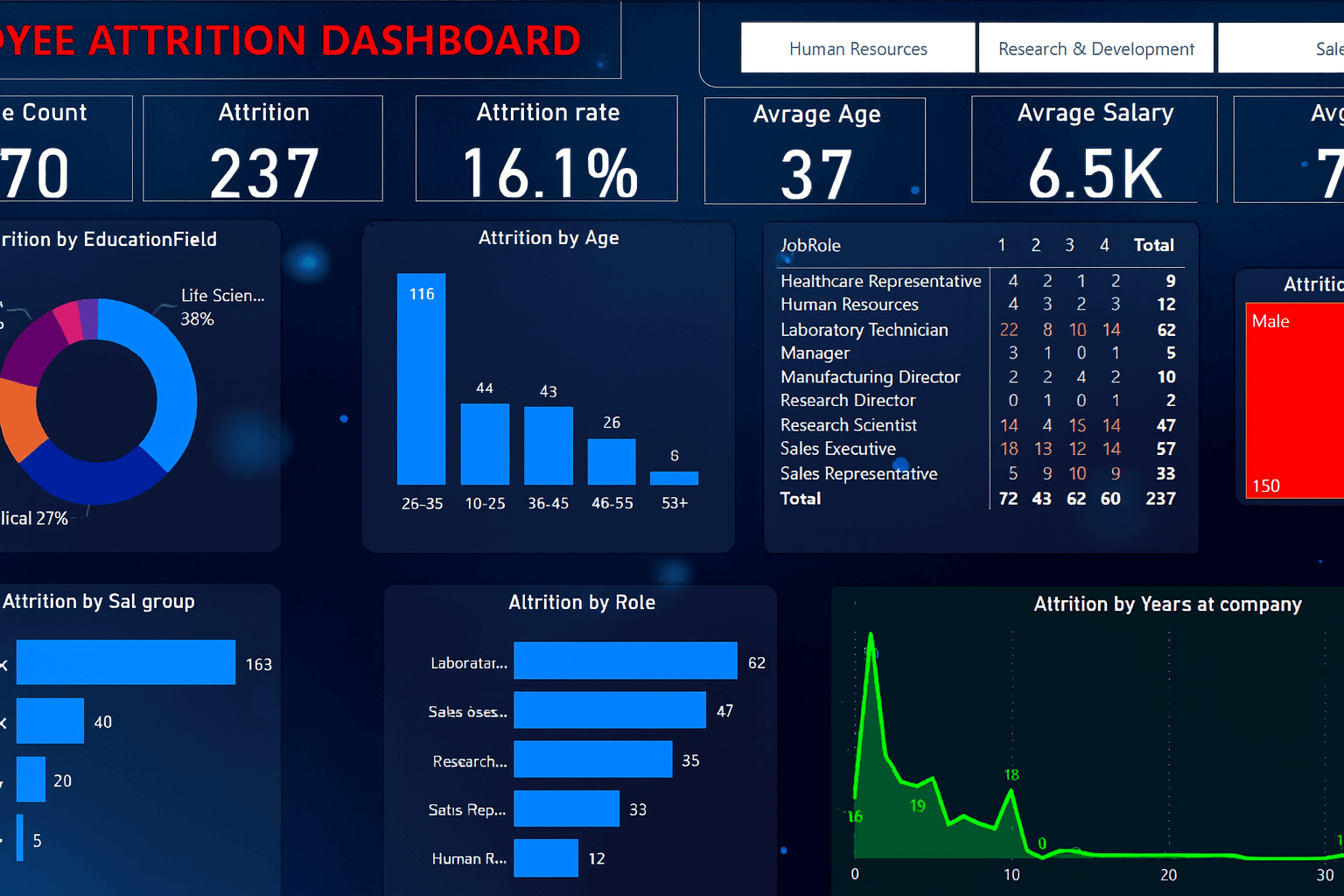
The outsourcing workforce continues to evolve alongside new technologies and hybrid work models. Attrition levels have gradually steadied as companies enhance employee experience through flexibility and growth opportunities. However, voluntary turnover remains an ongoing focus, reflecting the global mobility of skilled talent.

Non-voice and specialized service roles, such as IT support and healthcare operations, show the strongest workforce retention. In contrast, voice-based customer service roles face more frequent transitions due to high stress and direct customer exposure.

Data-driven workforce analytics now allow companies to anticipate attrition patterns. Monitoring engagement indicators like training completion, team satisfaction, and promotion rates helps forecast turnover and protect client relationships before disruption occurs.

Are Your Attrition Benchmarks Realistic

Every outsourcing company measures attrition, yet few benchmark it correctly. Comparing metrics across unrelated functions or industries creates misleading expectations. For instance, customer-facing teams naturally have higher employee movement than technical or compliance-based teams.

Healthy retention depends on aligning expectations with business structure, workload, and local talent availability. Frequent analysis of exit feedback, covering compensation, workload balance, and leadership interaction, reveals what truly drives employees to stay or leave.

Organizations that measure attrition as part of their strategic planning avoid reactionary hiring cycles. Instead, they allocate resources toward initiatives that enhance satisfaction and strengthen long-term loyalty.

Strategic Insights for Sustainable Workforce Growth

Attrition is not a weakness; it is an opportunity for insight. By understanding why employees leave, organizations can design environments that encourage them to stay. The most successful BPO firms treat attrition as a measurable factor within business performance, connecting it to engagement, learning, and leadership quality.

Companies that regularly assess workforce trends gain an advantage in predicting turnover and shaping stronger teams. They replace static HR policies with agile retention strategies that adapt to both employee needs and market shifts.

If your organization wants to transform workforce data into meaningful retention results, start by reviewing service-line patterns and employee engagement metrics. BPOManila offers comprehensive insight solutions that help convert attrition numbers into actionable growth strategies for long-term success.


Mental Energy and Balance in Customer Support Environments

Sustaining Energy in High Volume Workspaces

In customer support, energy management often defines success more than skill alone. Teams that sustain balanced energy can perform under constant pressure without losing empathy or clarity. Shifts filled with repetitive interactions and time-sensitive issues demand rhythm and structure. When the pace becomes unrelenting, a consistent energy plan prevents fatigue and fosters engagement.

Micro breaks, supportive team systems, and steady routines keep momentum strong. They help agents stay emotionally centered while navigating calls or messages. In high-volume settings, even short pauses can reset the mind and protect focus.

Within the FinTech industry, this stability is vital. Financial transactions and sensitive data require attention to detail and calm reasoning. One lapse in focus can create confusion or delay. Teams that manage energy through structured pauses sustain precision across every interaction.

Cognitive Balance and Emotional Synchrony

Cognitive balance helps agents process information quickly without losing emotional control. When stress rises, mental load increases. A balanced state allows them to respond thoughtfully instead of reacting impulsively. Structured reflection moments, mental resets, and mindfulness techniques make this balance attainable during peak workloads.

Emotional synchrony connects directly to service quality. Agents who can align tone and empathy with client emotions deliver meaningful experiences. Each conversation becomes an extension of calm professionalism, not an obligation.

In HealthTech, that emotional synchrony is essential. Agents handle health-related concerns requiring sensitivity and reassurance. The ability to remain empathetic while discussing personal matters builds trust and strengthens the customer relationship.

How Do Workflows Shape Human Energy

Workflows determine how human energy flows across a team. Predictable systems reduce stress and give agents confidence. When tasks are organized, the brain conserves focus for quality communication. A messy or inconsistent workflow, by contrast, drains attention.

Balanced workflows include flexible pacing and fair distribution of effort. Scheduling that respects mental rhythm creates sustainability. Cognitive recovery becomes part of daily structure, not an afterthought.

Efficient workflow design also improves Customer Service delivery. Organized systems free agents from chaos, allowing them to engage customers with clear minds. Consistency produces smoother exchanges and fewer misunderstandings.

The Role of Technology in Cognitive Support

Technology supports human focus when applied with awareness. Modern systems reduce manual tasks and simplify navigation between customer records. Automation complements rather than replaces thoughtful communication.

Within Retail eCommerce, these digital tools transform call management. Reps often juggle multiple channels, from chat to voice. Automated sorting and response templates save energy for more complex tasks. This ensures that customers receive accurate, timely answers while agents remain mentally steady.

Technology’s success lies in its design. Interfaces that display only essential details lower cognitive strain. When agents know what to focus on, their confidence and mental clarity grow. Each step of the workflow becomes lighter, smoother, and more controlled.

Creating a Culture of Psychological Recovery

Recovery defines long-term sustainability. Employees cannot perform at high levels without time for mental reset. Encouraging small, intentional pauses prevents burnout and restores motivation. The most effective teams treat rest as part of productivity, not a contrast to it.



Team culture shapes how recovery is perceived. When leaders model balanced behavior, remaining composed and pacing their interactions, employees follow suit. Simple gestures like acknowledgment and guided breathing sessions nurture collective calm.

Through QA Monitoring, companies can observe not just technical performance but also communication quality and tone. Positive reinforcement builds consistency, and consistency sustains well-being. Balanced energy leads to fewer mistakes and more authentic conversations.

Integrating Structure and Support Across Systems

Strong organizations integrate mental wellness into everyday operations. Training, workflow design, and leadership all influence how focus and balance develop. Interconnected systems provide steady rhythm and measurable improvement.

BPOManila follows this integrated approach. Its framework promotes alignment between efficiency and humanity. Teams are guided through structured routines that protect both time and thought. The balance of accountability and empathy allows agents to perform confidently without exhaustion.

IT Support also contributes to this harmony. Reliable systems reduce technical interruptions, minimizing stress for front-line teams. Agents who trust their tools can invest their energy into real connection with customers rather than troubleshooting delays.

Workplace wellbeing emerges when operations evolve alongside people. Productivity rises naturally in spaces where mental focus and human comfort coexist.

Building Sustainable Focus in Every Exchange

Every organization that values long-term success must invest in the mental energy of its people. Support systems thrive when they blend calm with competence, empathy with precision. The connection between focus and customer experience is not optional, it is the foundation of reliable service.

Workplace wellbeing is more than a policy; it is a practice embedded into structure and culture. By fostering environments that respect energy cycles, businesses empower agents to perform with purpose and consistency. When people feel supported, customers sense the difference.

Begin the shift toward sustainable engagement today. Align your systems, nurture your teams, and create an environment where focus fuels growth. True balance starts with intention and leads to transformation that lasts.

Communication Dynamics in Modern Teams

Collaborative Structures in the Modern Workspace

In every modern workplace, communication defines collaboration. It determines how ideas move, how goals are shared, and how people connect to create measurable results. A clear exchange of information gives teams confidence. When communication is structured, efficiency rises naturally.

The most successful workplaces encourage open dialogue. Employees feel comfortable sharing updates, raising issues, and suggesting improvements. As communication becomes more transparent, trust grows between departments. This trust supports collaboration and innovation.

Technology enhances these structures. Video conferencing, instant messaging, and shared project tools make it easier for teams to stay aligned across locations. However, clarity still depends on human understanding. The tone of a message, the timing of a response, and the intention behind words all contribute to meaning.

When collaboration becomes part of the daily rhythm, productivity strengthens. Teams reach goals faster and with greater accuracy. Clear communication creates the framework that keeps everyone on track and connected.

Department Alignment for Clear Communication

Departments thrive when communication flows freely between them. Coordination is not about sending more messages, it’s about sending the right ones. A consistent rhythm of updates keeps everyone informed and aligned. Without it, projects risk delays and misunderstanding.

Leadership plays an essential role in building this alignment. Managers set expectations for how and when communication happens. Regular check-ins reduce uncertainty. Documented systems provide structure, allowing every department to share updates efficiently.

When people understand their responsibilities and how their work supports shared objectives, motivation increases. Each department gains perspective on how its efforts affect others. The result is a unified workflow where information connects teams instead of dividing them.

Alignment is also strengthened through feedback. When teams review outcomes and adjust their approach together, performance improves. Clarity replaces confusion, and collaboration becomes a habit rather than an obligation.

Consistency in Customer Service Communication

Consistency determines customer confidence. Behind every great customer interaction is a team that communicates well internally. When employees understand processes and share the same messaging, clients receive clear and reliable responses.

In customer service, tone and accuracy define experience. Agents trained to listen actively, empathize, and respond clearly represent the brand’s values. Communication guidelines help ensure that every conversation reflects the company’s professional image.

Feedback loops play a central role in this process. Customer insights must flow back to the right departments. When feedback moves quickly, products and processes improve faster. This cycle of communication creates long-term trust and satisfaction.

Consistency also extends across platforms. Whether through calls, chats, or emails, the message must stay uniform. When communication aligns across teams and channels, customers feel valued, and relationships deepen over time.

Quality and Progress Through QA Monitoring and Lead Generation

Quality and progress are outcomes of structured communication. Through QA monitoring, performance data becomes meaningful when discussed openly among teams. Evaluations, reports, and regular updates guide improvement and accountability.

The same principle applies to lead generation, where communication fuels results. Alignment between marketing and sales teams ensures that potential clients receive consistent messages. This clarity helps convert leads into loyal customers. Every exchange, from first contact to close, relies on shared understanding.

Effective QA communication systems also promote growth. Regular performance meetings create opportunities for training and refinement. As team members exchange ideas, they develop new strategies for efficiency. Transparency keeps everyone engaged and motivated.

When departments communicate effectively, progress becomes visible. Results can be measured, analyzed, and improved continuously. A feedback-driven structure transforms communication from routine to strategic advantage.

Professional Exchange in Evolving Industries

In diverse industries, communication is more than a skill, it’s a strategy. Whether in logistics, healthcare, or finance, clear exchanges maintain professionalism and reliability. Every discussion, report, or client call represents the organization’s credibility.

Professionalism in communication depends on empathy and accuracy. This is especially vital in debt collection, where tone matters as much as content. A respectful and calm approach builds understanding while maintaining compliance. Employees trained in this method navigate complex conversations with confidence.

Consistency across industries also demands adaptability. Teams must adjust their style based on audience and context while keeping messages clear. Structured internal briefings and collaborative planning sessions help maintain this adaptability.

As industries evolve, the demand for faster and smarter communication increases. Clear workflows, transparent information sharing, and concise messaging keep operations steady. When teams prioritize professional exchange, they strengthen both reputation and results.

Future Collaboration and Growth Potential

The future of work depends on communication that adapts to technology yet stays human at its core. Artificial intelligence and automation simplify routine exchanges, but genuine understanding remains essential. Teams that use technology to enhance, not replace, human communication will lead the next wave of progress.

Collaboration will continue to evolve with new tools that connect global teams in real time. Yet, clarity, empathy, and trust will always define effective communication. Organizations that balance speed with understanding will build stronger cultures and deliver higher-quality services.

As industries expand, structured communication systems will remain vital. They reduce inefficiency, prevent duplication, and build long-term client relationships. Communication is no longer a support function, it is the engine of growth. BPOManila demonstrates how modern workplaces achieve harmony between process and purpose through communication built on connection and clarity.

Connect for Collaborative Growth

Communication shapes every result. It drives engagement, builds confidence, and ensures goals are met with purpose. Teams that communicate clearly create spaces where ideas flow freely and solutions develop naturally.

Now is the time to strengthen communication systems that support people and performance. Create frameworks that align departments, refine customer interactions, and connect every part of your business. Clarity fuels collaboration, and collaboration builds growth.

Reach out today to explore how improved communication can transform your organization and prepare it for the next chapter of success.

Customer Interaction Through the Internet Era

The Digital Foundation of Customer Relationships

In the modern landscape, the internet has transformed how people and brands connect. Every online message, post, or review forms part of a vast network of customer interaction. The digital world gives businesses the power to build relationships faster and at a larger scale than ever before.

Before online communication became standard, customer support depended on face-to-face or phone-based service. Now, with just one click, customers can reach a brand from anywhere in the world. This accessibility has made support faster, more open, and highly convenient. Through live chat, email, and social media, communication is possible at any time.

The internet also allows companies to understand their audience better. Every comment, review, and form submission provides valuable insight into customer expectations. By analyzing these insights, brands can adjust services, improve user experience, and refine communication strategies.

The digital space is now the foundation of business relationships. It helps companies remain connected, relevant, and accessible to customers who value convenience and quick responses.

Industries in the Online Engagement Spectrum

Every industry has become part of the online engagement movement. Retail, healthcare, finance, and technology all use internet-based systems to grow and stay competitive. In retail, live chat tools and digital storefronts enhance accessibility. In healthcare, online consultations and telemedicine make care easier to reach. Financial institutions use secure online platforms to deliver fast, accurate updates. Technology firms rely on the internet for client feedback and product development.

Across industries, digital communication has become essential. It provides immediate access to information, faster resolutions, and stronger brand loyalty. The more customers engage online, the more they expect consistency. A single slow or confusing experience can break trust, so maintaining speed and clarity is key.

Industries that balance automation with human empathy thrive. Chatbots may provide instant replies, but human understanding still defines quality. Combining these elements ensures a customer experience that feels both efficient and personal.

Services Built Around Online Accessibility

Today’s services are shaped by convenience and digital reach. Websites, mobile apps, and social platforms connect customers to brands instantly. Accessibility is no longer an add-on; it defines success.

Businesses that embrace digital accessibility give customers more control. Online booking systems, feedback forms, and virtual assistance allow users to find solutions at their pace. Automation ensures faster responses, while live agents handle more complex issues. This structure maintains balance between technology and human care.

Analytics play a major role in shaping online services. By studying usage patterns, brands can tailor offerings to match customer behavior. Insights help create personalized communication and better service delivery.

The internet has also removed traditional barriers. Customers across time zones can access help without waiting. This global reach supports inclusivity and expands business potential. The outcome is a seamless experience that strengthens customer confidence.

Digital Partnerships in Modern Outsourcing

In the outsourcing landscape, the internet plays a central role in connection and efficiency. Teams now rely on digital systems to manage client relationships, deliver projects, and maintain real-time communication. The shift from manual to online processes has allowed businesses to expand beyond borders and work without limits.

Modern outsourcing firms use cloud-based tools, automated platforms, and digital dashboards to oversee operations. These systems allow teams to respond faster and monitor performance with greater accuracy. Feedback loops built through online channels ensure that clients remain informed at every step. This creates smoother workflows and measurable improvements.

The internet has also strengthened accountability. With shared access to reports and progress updates, clients can track every stage of a project. This level of transparency builds trust and long-term partnerships. Data analytics further help teams anticipate client needs and refine strategies based on results.

BPOManila exemplifies this transformation through its focus on digital integration and customer-first practices. Its model shows how outsourcing can thrive when technology and human expertise work together to create seamless global connections.

Technology as a Bridge for Human Connection

Technology enhances the emotional side of customer interaction. Even though it may seem mechanical, it helps people connect in meaningful ways. The internet breaks distance barriers and builds relationships that feel more personal than ever.

Social media platforms give customers a voice. When brands listen and respond online, they create loyalty and trust. Video conferencing, virtual tours, and real-time updates provide depth to these interactions. They transform transactions into conversations.

Personalization also defines this digital era. Data-driven tools help brands understand each customer’s history and preferences. When messages reflect that awareness, customers feel recognized and valued.

The bridge between technology and humanity is growing stronger. Every positive experience reinforces trust, and every quick response builds satisfaction. Companies that maintain this balance win customer loyalty and long-term relationships.

What Shapes a Positive Digital Experience

A successful digital experience comes from clarity, reliability, and simplicity. Customers expect fast responses, smooth navigation, and accurate information. The internet sets a high standard, and meeting it defines brand reputation.

Design plays a major part. Well-structured websites and mobile interfaces make access easy. Regular updates show commitment to improvement. Transparency, such as visible return policies or open feedback channels, builds confidence.

Security also shapes perception. Customers share data online, and they expect it to be protected. Strong encryption and privacy standards create reassurance. When customers trust that their information is safe, they stay loyal.

Consistency in tone, speed, and accuracy sets great brands apart. Every click, message, and reply contributes to the overall experience. Maintaining these qualities helps customers feel respected and understood.

Can Connection Drive Better Customer Loyalty

Loyalty depends on how brands build and maintain online relationships. The question remains: can digital interaction truly strengthen emotional connection? The answer lies in personalization and empathy.

Automation handles speed, but sincerity creates attachment. Customers notice when responses are thoughtful rather than generic. Even automated messages can feel personal when they include name recognition and context.

Brands that listen carefully on social media stand out. When they respond to questions or feedback, they show that customer opinions matter. This visibility influences perception and encourages ongoing engagement.

Loyalty grows through every meaningful digital interaction. The internet makes it easier to connect, but the human element keeps those connections alive. A simple message, delivered with care, often makes the biggest difference.

The Future of Digital Engagement Awaits You

The next phase of customer interaction begins now. The internet will continue to reshape how businesses communicate and build trust. To keep pace, brands must embrace technology that strengthens their human touch.

Build better online experiences through understanding, accessibility, and empathy. Every message and interaction can reflect your commitment to customer satisfaction. Partner with professionals who combine strategy and innovation to elevate your online presence.

Explore how digital connection can drive loyalty, growth, and long-term value. Reach out today and start shaping your future in the evolving world of customer engagement.

Workplace Vitality in Night Shift Environments

Global Service Networks in Modern Industries

Night shift operations keep the global economy moving. Around the world, industries rely on dedicated professionals who ensure smooth delivery even when most people are asleep. These teams form the backbone of global service networks, connecting time zones, clients, and operations across regions. When managed properly, they create a system of continuity that enhances productivity and customer trust.

Modern industries depend on such 24-hour coordination. Every process, from communication to support, relies on consistent service. Companies that manage night shifts well can respond faster to market needs, improve turnaround times, and maintain steady performance. This balance between time and output defines modern efficiency and sets a strong foundation for sustainable success.

Integration of Services for Sustainable Growth

Integrated solutions are vital for organizations that run day and night. Through technology, collaboration, and clear planning, companies can connect teams seamlessly. Integration ensures that communication flows smoothly between shifts, reducing misunderstandings and delays. It keeps all functions aligned under one strategy.

When services are connected, night shift teams gain access to real-time data and tools that simplify operations. These systems enable quick handovers, accurate reporting, and instant coordination between departments. For many businesses, integration becomes the key to maintaining performance consistency. It prevents burnout among staff while ensuring clients experience uninterrupted quality.

Sustainable growth comes from planning around people. Integrated services make this possible by supporting wellness, structure, and long-term focus. They bridge time differences while maintaining collaboration across regions and industries.

How Global Scalability Shapes Night Operations

Global scalability allows companies to adapt easily to changing demands. In industries that operate overnight, flexibility is essential. Teams must handle varying workloads, manage unexpected surges, and continue delivering exceptional service. Scalable systems provide that control.

When resources adjust naturally to demand, employees face less pressure. Scheduling becomes more predictable, and stress decreases. Companies with scalable systems can deploy support across multiple time zones, making round-the-clock delivery practical and efficient. This approach promotes healthier work environments and keeps morale high.

The ability to expand or reduce capacity without losing performance strengthens global service networks. It also helps organizations manage energy, focus, and staffing levels effectively. With global scalability, companies ensure that every shift, day or night, operates at its best.

Why Efficiency Drives Long-Term Success

Efficiency plays the most crucial role in maintaining energy and focus during night work. Streamlined processes reduce effort and confusion, allowing employees to use their energy wisely. When teams work with clear systems and defined responsibilities, they remain productive without unnecessary strain.

Digital tools also help sustain energy by automating repetitive tasks. Automation gives employees more time to focus on creative or analytical work, improving overall satisfaction. The smoother the process, the less mental fatigue occurs throughout the shift.

Efficiency builds a culture of reliability. Clients notice when communication and response times remain consistent. That consistency improves client experience and strengthens trust in the company’s services.

BPOManila has set an example in this area by combining skilled professionals with smart tools. The result is efficiency that enhances both business performance and employee wellbeing, ensuring that teams remain focused and energized.

What Defines a Productive Night Shift Culture

A successful night shift culture values communication, rest, and purpose. Team members who understand their roles work with greater confidence. Regular updates, supportive management, and clear expectations reduce stress and confusion.

Workplace vitality thrives in environments that prioritize both structure and flexibility. Providing well-timed breaks, access to nutritious snacks, and proper lighting all improve alertness. Encouraging team connection during downtime helps build morale and reduces isolation, which is common during night hours.

Recognition also fuels motivation. Employees who feel valued for their contributions remain more engaged. Whether through small rewards or public appreciation, acknowledgment reinforces the idea that every shift matters equally.

Over time, these practices build loyalty, reduce turnover, and strengthen long-term performance. A strong culture keeps night shift professionals energized and aligned with company goals.

How Can Integration Improve Client Experience

Client satisfaction depends on consistent service quality, regardless of the hour. Integrated systems make this possible by connecting all departments, ensuring every client interaction is informed and timely. When data flows freely, customer inquiries and issues are handled faster and with greater accuracy.

Integration also minimizes duplication of work. Teams can see client histories, past requests, and preferences in one place. This transparency enables more personalized responses and builds client confidence.

For night shift operations, this connection is especially valuable. It ensures that every message or update made during the night is visible to daytime teams. The result is a unified, always-on service environment.

By aligning teams and technologies, integration improves response speed and reliability. Clients benefit from seamless experiences, while employees enjoy fewer complications. The end product is a stable, trustworthy relationship that supports business growth.

Pathway to Energy and Innovation

Innovation keeps night shift environments dynamic and fulfilling. It introduces smarter schedules, better tools, and healthier workspaces. Simple changes, such as ergonomic furniture, optimized lighting, or performance-tracking software, make a major difference in energy levels.

Innovation also means listening to employees. When teams suggest improvements, they become more invested in success. Feedback drives adaptation, which in turn strengthens efficiency. Organizations that support creative ideas often see higher motivation and reduced fatigue.

Technology continues to redefine the way night shifts operate. From AI-based scheduling to predictive analytics, innovation streamlines the experience. It transforms what was once seen as a demanding schedule into a sustainable routine.

By maintaining innovation as a core value, companies encourage continuous growth and adaptability, qualities essential for long-term global success.

Build a Stronger Future for Every Shift

Vitality is the heartbeat of successful operations. When night shift teams receive support through integrated systems, scalable models, and efficient processes, they perform at their best. Balanced schedules, recognition, and technology create the energy needed to maintain performance day and night.

Now is the time to strengthen your service network and invest in your people. Build a structure that fuels productivity while protecting wellbeing. Connect with us today to explore strategies that elevate your business operations, improve client experience, and inspire workplace vitality around the clock.