


By Rowie
Mobility Expectations and Real Time Service Standards
Travel no longer waits. Consumers expect rides, bookings, and confirmations to happen instantly. Therefore, companies within mobility ecosystems must respond without delay. The Shift Toward Travel That Moves on Your Schedule reflects this new expectation.
Today’s travelers use apps to arrange rides, flights, and deliveries in seconds. Because convenience drives loyalty, response time shapes perception. If assistance lags, users switch platforms quickly.
This is where BPOManila strengthens service execution. By aligning customer operations with platform speed, it supports businesses that compete in dynamic environments. Instead of rigid schedules, companies operate within flexible demand cycles.
Modern industries such as transportation platforms and mobility marketplaces depend on consistent communication. For example, booking updates, fare clarifications, and route adjustments require immediate support. Consequently, reliable customer care becomes a growth engine.
Service reliability builds trust. When users receive clear answers fast, they continue using the platform. However, inconsistent support weakens retention.
Real time engagement requires staffing models that adjust with demand. Peak hours differ by region, so flexible workforce planning becomes essential.
The shift toward user controlled travel creates pressure on support teams. Therefore, service providers must align with mobility culture rather than traditional call handling methods.
Speed, clarity, and accessibility now define competitive advantage in travel driven markets.
Industry Momentum and On Demand Transportation Growth
Mobility based On-Demand Travel + Transportation continues to expand globally. Ride sharing, last mile delivery, and micro mobility platforms operate continuously. As a result, service teams must remain active across time zones.
These evolving sectors require adaptable support. Because booking volume fluctuates hourly, staffing cannot remain static. Instead, dynamic capacity ensures uninterrupted assistance.
 Travel platforms also integrate advanced technology to manage routing and user data. However, digital systems alone cannot resolve every concern. Therefore, human agents provide essential reassurance.
Customer loyalty depends on quick clarification during trip disruptions. For example, fare disputes or route confusion demand immediate explanation. If resolution stalls, frustration increases.
Mobility companies compete on experience. Consequently, operational agility influences reputation.
Strong backend support ensures service continuity during high traffic periods. When thousands of bookings occur simultaneously, coordinated response prevents bottlenecks.
Additionally, global expansion requires multilingual coverage. Therefore, scalable staffing models support international growth.
Travel has become personal and flexible. Users expect support that mirrors that flexibility. Platforms that meet this expectation maintain stronger retention rates.
On demand transportation thrives when customer operations move at the same speed as digital bookings.
Operational Excellence and Structured Support Systems
Effective service delivery depends on disciplined operations. A well organized Call Center remains central to mobility platforms. However, modern centers function beyond basic call answering.
Advanced Call Monitoring ensures quality and compliance. Supervisors evaluate interactions to maintain consistent standards. Consequently, customer satisfaction improves steadily.
Intelligent Call Distribution directs inquiries to the appropriate specialist quickly. This reduces wait times and prevents misrouting. Therefore, efficiency increases without sacrificing personalization.
Automated Callback systems further enhance experience. Instead of waiting on hold, users receive follow up at convenient times. This improves perception and reduces abandonment rates.
Reliable Technical Support also plays a critical role. Travel applications rely on stable infrastructure. When login issues or payment errors occur, immediate troubleshooting protects revenue.
Data driven oversight strengthens performance. Through structured Call Statistics, leadership analyzes peak volume and resolution patterns. These insights inform staffing decisions and workflow adjustments.
Operational discipline supports scalability. As booking demand grows, structured processes absorb additional volume without compromising quality.
Service excellence emerges from coordination, oversight, and adaptability. Travel platforms that refine their support systems outperform competitors in retention and reputation.
Platform Integration and Service Continuity Strategy
Mobility platforms operate within fast moving digital ecosystems. However, their success depends on internal coordination rather than external industry overlap. When booking volume increases, internal systems must remain synchronized. Therefore, operational alignment becomes critical.
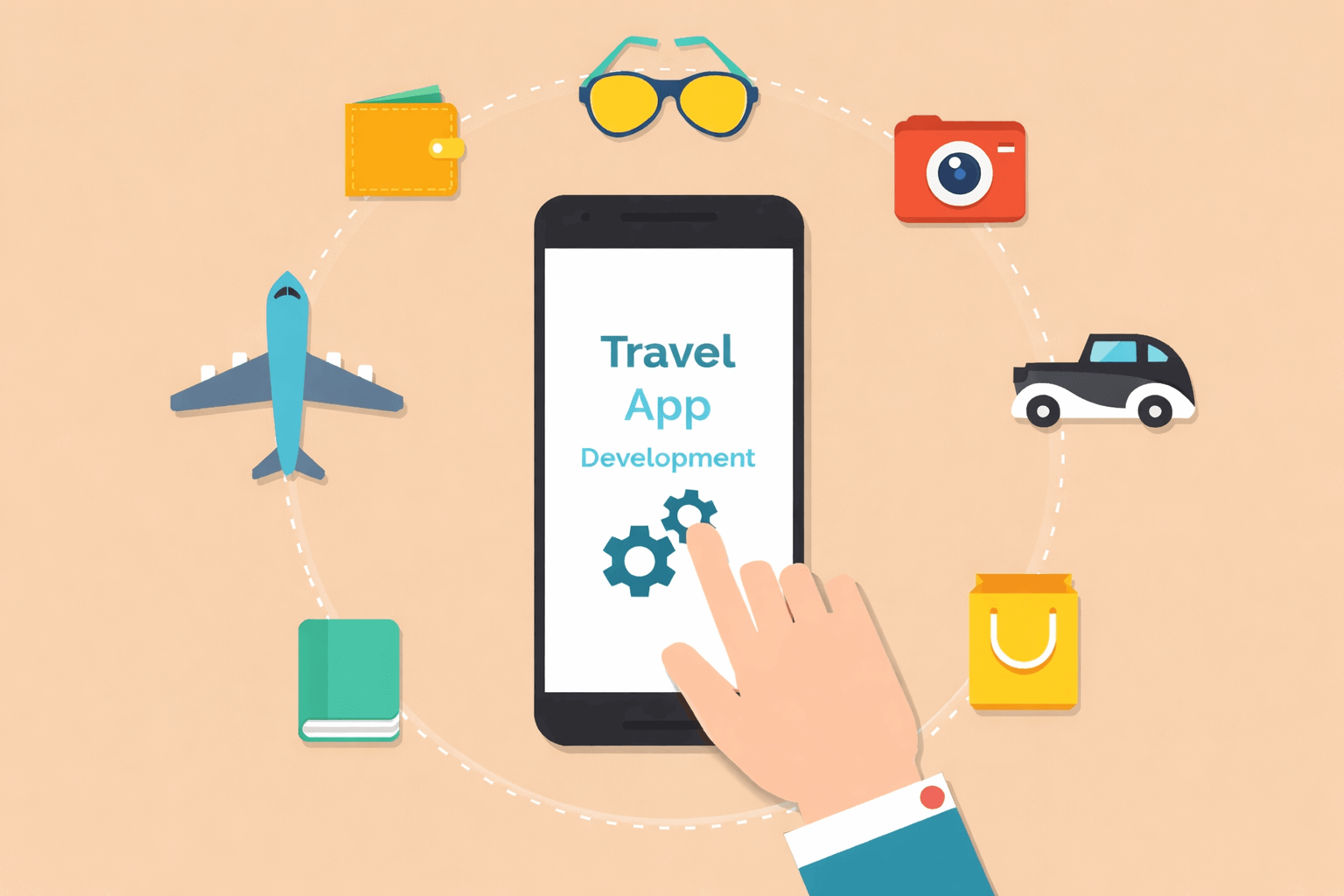 Travel applications rely on accurate routing, real time notifications, and instant confirmation updates. Because customers expect clarity at every stage, support teams must mirror that precision.
Service continuity depends on unified communication protocols. When dispatch systems, customer accounts, and payment tracking remain aligned, resolution speed improves. Consequently, users experience fewer disruptions.
Operational visibility also strengthens accountability. Supervisors monitor response flow and resolution accuracy consistently. As a result, teams maintain performance even during peak demand.
Expanding service regions introduces additional complexity. Therefore, centralized oversight ensures consistent messaging across locations.
High volume environments require proactive planning. Rather than reacting to traffic spikes, structured scheduling anticipates demand cycles.
Mobility platforms thrive when backend coordination supports front end convenience. When internal systems operate seamlessly, customers notice the difference immediately.
Sustained growth in on demand travel depends on disciplined execution. Internal alignment, clear reporting, and consistent service delivery protect long term scalability without introducing unnecessary external complexity.
Strategic Partnership and Scalable Service Direction
Travel expectations will continue evolving. Therefore, support strategies must evolve as well. Businesses seeking consistent expansion require adaptable service infrastructure.
BPOManila delivers operational alignment designed for high velocity environments. Through disciplined staffing and performance tracking, it strengthens customer engagement.
Scalable operations protect revenue during rapid growth phases. Instead of scrambling to hire internally, companies leverage experienced teams.
Proactive oversight reduces service gaps. Because mobility platforms operate continuously, downtime is not acceptable. Reliable support ensures uninterrupted experience.
Partnership also enhances flexibility. As market conditions shift, support coverage adjusts accordingly.
Organizations within on demand travel ecosystems benefit from service models that mirror their pace. Consistency, responsiveness, and accountability drive retention.
If your platform aims to strengthen customer loyalty while expanding across regions, consider exploring collaborative service solutions. The right operational partner transforms response speed into sustainable advantage.
Reach out to learn how scalable customer engagement can align with travel that truly moves on your schedule.