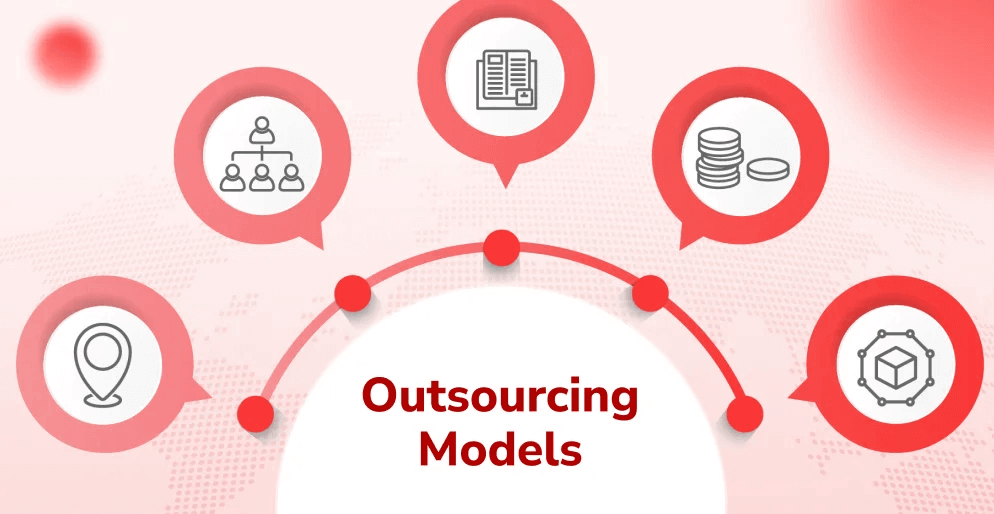

Sustainable Outsourcing Within a Responsible Digital Age

A Subtle Opening Into the Modern Shift

Sustainable Outsourcing Within a Responsible Digital Age continues to emerge as an idea that reshapes how people view long-term progress. This direction grows in quiet ways. It grows through small choices and steady adjustments. Although the shift moves gently, it influences every part of how organizations think about the future. As expectations rise, teams search for clarity. They look for ways to align their work with the needs of the world around them. Because of this, the movement toward responsible practices becomes more visible each year.

The digital space expands quickly. Yet people still look for balance. They want progress that feels meaningful rather than rushed. They want a structure that feels thoughtful rather than heavy. They want work that feels connected to a larger purpose. This mindset guides how decisions take shape. It also guides how Sustainable Outsourcing Within a Responsible Digital Age becomes a focus across global environments.

The direction brings new understanding. It encourages people to look at how digital growth shapes communities, expectations, and outcomes. It brings attention to how old systems adapt to new patterns. Because of this, teams begin to see how technology and responsibility work together. The combination creates room for growth. It builds pathways that help organizations improve without losing their values.

Although this shift feels modern, it also feels familiar. It mirrors the way people seek balance in everyday life. They look for calm within movement. They look for stability within change. They look for clarity within noise. Sustainable Outsourcing Within a Responsible Digital Age reflects this same desire.

A Structured View of Emerging Services

The evolution of services continues to influence how organizations approach their operational flow. Many teams look for external support that provides clarity. They want solutions that encourage direction without creating pressure. Because of this, Sustainable Outsourcing Within a Responsible Digital Age becomes an option that aligns with modern needs.

This direction makes space for practical approaches such as customer support. Although the term appears once here, the idea influences many parts of organizational culture. Teams want communication that feels supportive. They want responses that feel clear. They want experiences that help both sides feel heard. As expectations rise, many organizations explore how to create this balance. They choose options that align with thoughtful practices rather than aggressive processes.

The same mindset appears in broader structures. Even back office operations require stability and intention. They require a pace that feels manageable. They require structure that helps teams stay grounded. Because of this, Sustainable Outsourcing Within a Responsible Digital Age fits into many environments. It helps people move through work with steady confidence. It helps leaders see how structure can shape long-term outcomes. It also helps organizations stay aligned with values that matter to them.

As these elements connect, teams begin to recognize how responsible approaches shape real results. They notice fewer disruptions. They notice smoother communication. They notice a more consistent flow of work. These improvements support a culture of clarity. They help organizations rise to new expectations with steady purpose.

A Closer Look at Modern Industries

Different industries experience the shift in unique ways. Yet they all react to the same global desire for balance. Teams within busy environments look for support systems that help them manage pressure. They want options that feel aligned with responsible digital expectations. This is where Sustainable Outsourcing Within a Responsible Digital Age becomes a powerful direction.

The healthcare space reflects this need clearly. Many teams handle sensitive information. They interact with people in moments that require calm, patience, and clarity. Although healthcare appears once here, the influence of responsible outsourcing extends throughout the field. It helps create stable pathways. It helps organizations manage the weight of constant demand.

The financial services environment follows a similar pattern. Teams move through complex information. They manage evolving rules and frequent changes. They need structure that feels grounded. Responsible outsourcing supports these needs. It gives organizations clear ways to maintain stability without losing momentum. It builds trust through consistent practices that support both clients and internal teams.

As more industries adapt, Sustainable Outsourcing Within a Responsible Digital Age gains strength. It becomes a direction that many organizations consider essential. It reflects not only what people expect from modern systems but also what they hope for in long-term growth. It brings balance. It brings clarity. It creates a foundation that helps teams face changes with a steady mindset.

A Thoughtful Question for the Evolving Sustainability Conversation

How does sustainability shape the quiet progress of a responsible digital environment

This question brings a meaningful pause. It encourages people to reflect. It asks them to think about how Sustainable Outsourcing Within a Responsible Digital Age creates long-term value. Many teams discover that sustainability extends beyond environmental ideas. It also includes how people work. It includes how systems grow. It includes how decisions influence communities.

The question becomes even more powerful when organizations consider their future. Teams want stability. They want processes that feel seamless. They want work that reflects their values. Sustainable Outsourcing Within a Responsible Digital Age supports these goals. It aligns daily decisions with long-term direction. It helps organizations build environments where progress feels responsible rather than rushed.

This question also brings attention to growth patterns. It encourages teams to examine how they use resources. It helps them understand how their choices affect both internal and external communities. Because of this, organizations begin to see sustainability as an essential part of digital responsibility. It becomes a guide for how systems develop over time.

Although the question seems simple, its impact is deep. It inspires teams to look at how technology and intention work together. It helps them understand how the digital age can support balance. It shapes how they plan for the years ahead.

A Forward Step Toward Responsible Progress in the Digital Economy

When organizations look toward the digital economy, they search for direction that feels aligned with their goals. They want support that reflects clarity. They want movement that feels intentional. Sustainable Outsourcing Within a Responsible Digital Age provides this balance. It brings structure that supports growth. It guides decisions in ways that feel meaningful. It also helps organizations build long-term trust.

This is the moment to consider how responsible support can shape your next steps. It is also the moment to explore what thoughtful outsourcing can bring to your team. As you look at your goals, your systems, and your pace, you may find that responsible direction can reshape everything ahead.

For deeper insight and a pathway tailored to your needs, you may reach out and contact BPOManila. Their team understands how to blend clarity with modern expectations. They support organizations that want progress with purpose. They help teams move through change with steady confidence.

This connection can become your first step into a balanced digital future. It can help you understand how Sustainable Outsourcing Within a Responsible Digital Age shapes long-term success. And it can give your team a sense of direction that aligns with both technology and intention.

What Is Multi Level Excellence in Customer Support Systems

System Strength Across Expanding Support Networks

Multi level excellence in customer support systems begins with a clear internal structure. As expectations rise across digital platforms, organizations must prepare for rapid shifts in communication. People now interact with brands through many access points and expect each step to feel consistent. When structure remains strong, teams deliver better outcomes. This stability forms the core of multi level excellence.

A support environment thrives when teams move through defined pathways. Because customers rely on fast information, structure reduces hesitation. Teams avoid unnecessary steps because they understand the flow of tasks. Although digital behavior changes each year, a well built system adapts without confusion. This flexibility helps create harmony across large support networks and ensures smoother operations. Within this growing landscape, teams benefit from tools that guide movement across channels. These tools provide visibility, and visibility improves coordination.
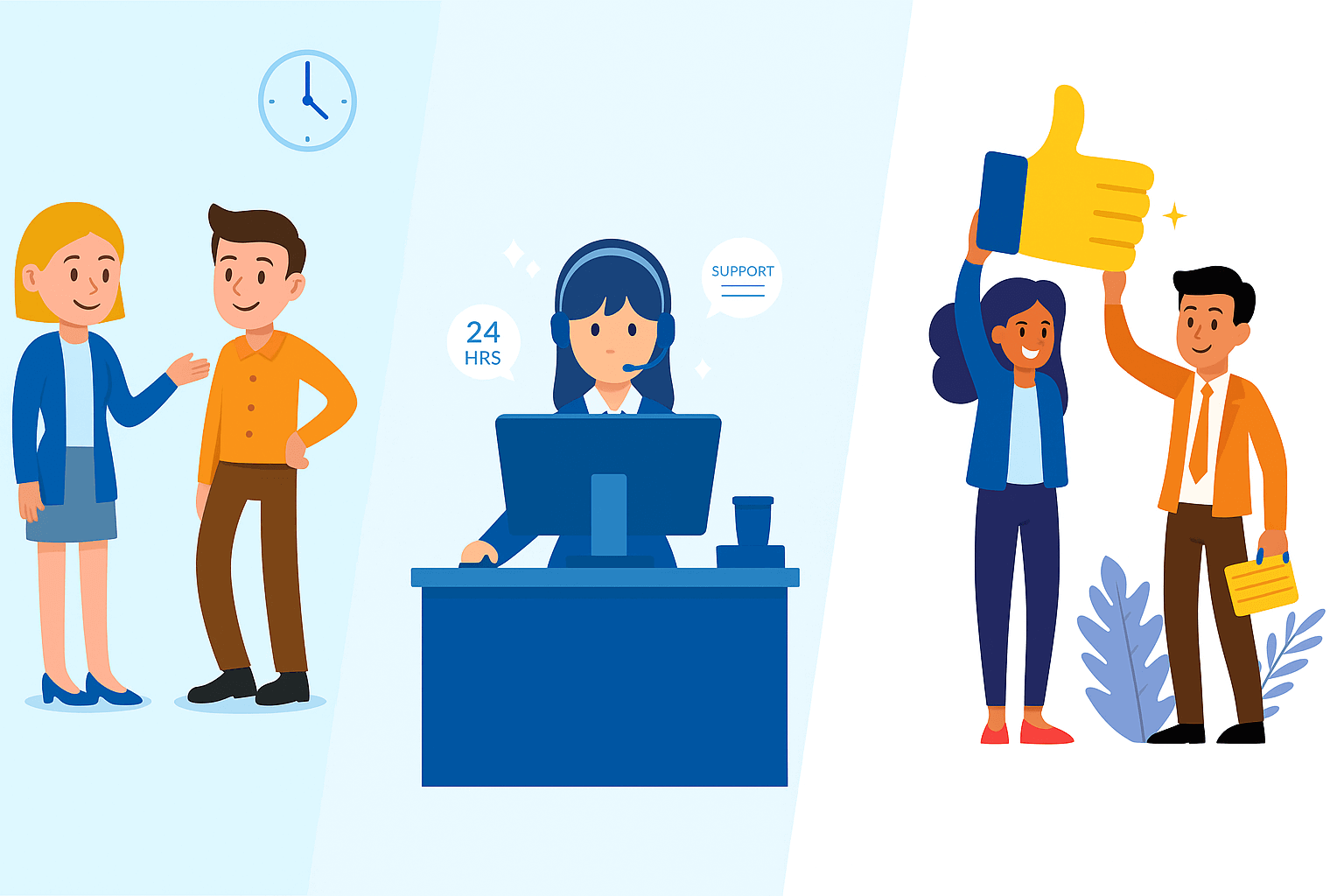
Clear systems also protect the experience during periods of high activity. As volumes increase, teams must maintain accuracy. Multi level excellence supports this need with organized logic. When teams follow dependable steps, their confidence grows. They complete tasks faster and provide better outcomes. Customers appreciate the steady pace and clear communication. Therefore, strong networks encourage lasting connection.

The structured environment also influences emerging methods. Organizations seek reliable ways to enhance internal performance. Frameworks become essential as they help teams understand the purpose of each part of the cycle. Because clarity shapes the customer journey, it plays a major role in success. With predictable structure, teams work in a unified rhythm. This unity reduces errors and creates trust on both sides of the interaction. Within this evolving workflow, many organizations integrate Lead Support to reinforce the quality of each stage.

Operational Depth Across Modern Industry Expectations

Industries shift quickly in the digital era. Each environment demands a different type of support structure. Multi level excellence becomes valuable because it adapts to these shifting needs. The Retail + eCommerce sector offers a clear example. Customers in this field move through large volumes of daily activity. They browse, compare products, manage returns, and request updates about orders. Because this movement happens at high speed, systems must respond with accuracy and clarity. Multi level excellence helps teams maintain control over this rapid pace.

The landscape continues to widen as new forms of digital shopping emerge. People want reliable information across every stage of the experience. When structure remains strong, teams resolve concerns with less friction. This stability improves satisfaction. It also reduces backlogs and prevents miscommunication. Therefore, industries with constant demand rely heavily on multi level systems.

Another area shaped by changing expectations is HealthTech. Users in this setting require precise information. They also expect sensitivity because the topics often involve personal well being. Multi level excellence helps teams keep communication clear during these moments. Defined stages make it easier to maintain accuracy. Because each step follows consistent logic, teams protect the integrity of the information. This approach supports both safety and clarity.

Although industry needs extend across different formats, the core requirement remains the same. Organizations must create environments that offer smooth experiences. When systems adapt to patterns, they improve their ability to manage new challenges. This adaptability supports growth across markets. As industries continue to evolve, teams rely on multi level structure to guide their progress. These systems also strengthen the connection between technology and human expectations. In this evolving cycle, teams often integrate Customer Service into the process to reinforce clarity.

Experience Flow Across Broadening Digital Journeys

Digital journeys continue to expand as customers move through more interactions before reaching a final decision. People shift between channels, compare options, read reviews, and request updates. Because journeys grow longer, brands must create experiences that remain steady across each transition. Multi level excellence strengthens these paths by guiding teams through organized steps that reduce confusion.

Digital pathways require strong internal navigation. Customers expect movement between platforms to feel natural. When systems align across each stage, the journey becomes easier to understand. People do not want to repeat information. They do not want to feel lost between channels. They want assistance that remains aware of previous interactions. Multi level excellence supports this by improving continuity across systems.

Structured navigation also influences communication patterns. When responses flow naturally, customers experience less friction. Teams benefit as well because they follow defined actions. This structure creates a unified approach even when customer behavior varies. Because digital behavior continues to evolve, clear systems offer reassurance. They hold each part of the journey in place.

Every digital path contains smaller touchpoints. Each one influences the next stage. When organizations prepare these steps with intention, customers move forward with ease. They feel supported because the experience feels predictable. Predictability builds trust. Trust encourages continued engagement. As digital journeys expand, teams blend structured pathways with advanced tools to enhance reliability. Many organizations integrate QA Monitoring into this phase to ensure quality across channels.

Foundational Alignment for Increasing Operational Demands

Operational alignment becomes essential as expectations rise across digital environments. Organizations must balance technology, people, and processes within a single unified structure. When alignment stays strong, teams respond faster. They also communicate with greater accuracy. This improvement creates stronger customer outcomes. Because alignment influences every stage, multi level excellence relies on it.

Digital structures require careful coordination. Teams must understand how each step connects to the next. They must also know which tools support specific actions. When alignment breaks, delays appear. When alignment holds, processes flow more naturally. This smooth progression reduces stress on teams and enhances customer satisfaction.

Operational demands continue to grow. Organizations experience new challenges as user activity increases. Multi level systems form a stable foundation. They support new tasks while protecting the original framework. This flexibility helps teams adopt new tools quickly without disrupting the entire process. Because digital expectations shift rapidly, adaptable alignment becomes essential.

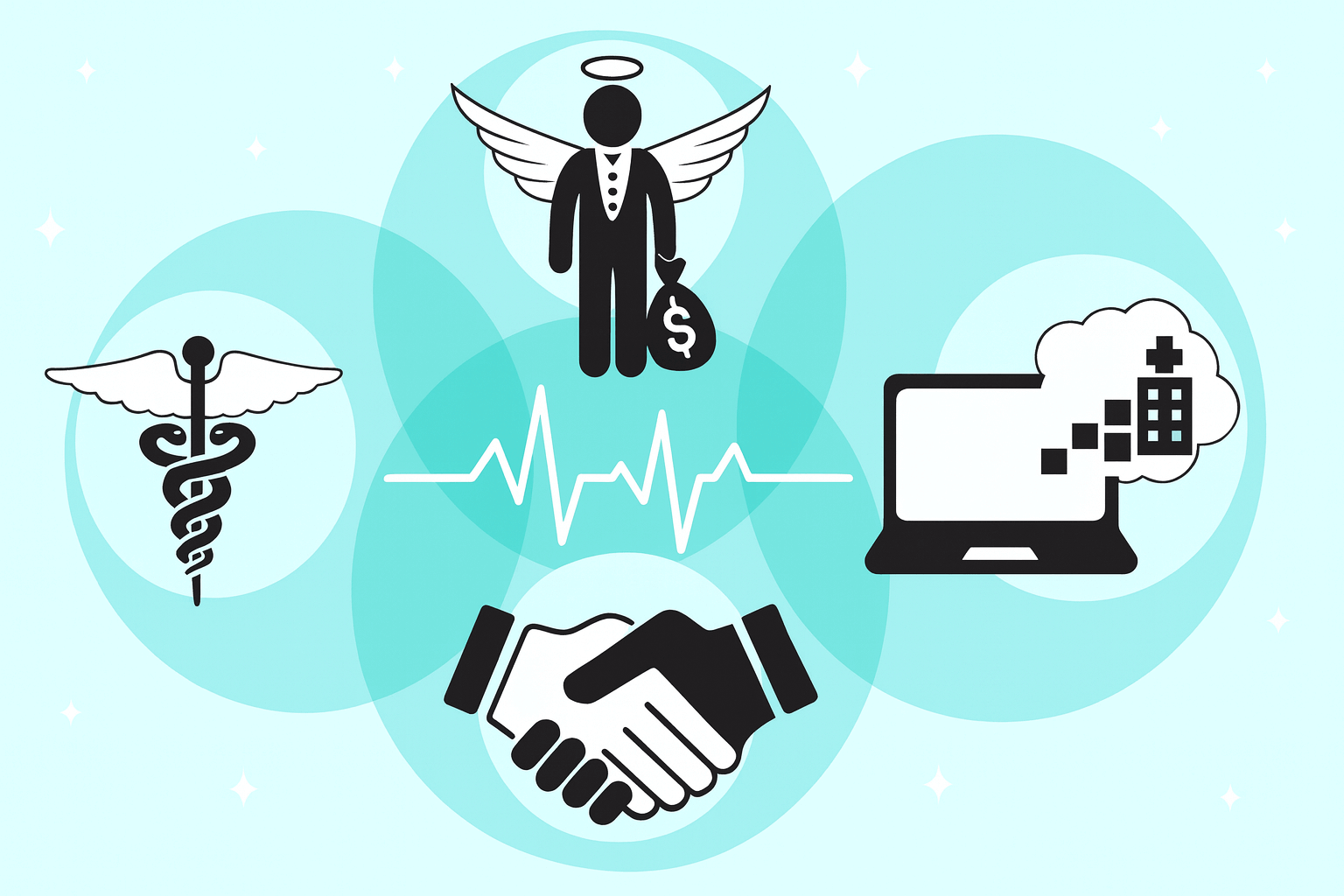
As organizations improve alignment, they strengthen internal coordination. Teams move through tasks with greater confidence. They also rely on clear steps that ensure accuracy. This internal rhythm improves reliability. The stronger the alignment, the more stable the customer journey becomes. Many sectors rely on partners like BPOManila to maintain balance across growing operational workloads.

Because organizations must respond to long term change, alignment must remain steady. Multi level excellence strengthens this foundation. It guides teams through complex tasks with clarity. It also helps organizations understand where improvements are needed. Within these stages, many teams adopt digital operations strategies to maintain structure.

Engagement Pathways Toward Stronger Customer Journeys

Engagement shapes the future of customer communication. In the expanding world of Technology, people interact with digital systems more frequently. They expect assistance that feels both human and efficient. Because expectations increase with each new platform, organizations must build environments that support connection at every step. Multi level excellence helps form these stronger pathways.

Engagement requires structure. Customers want information that feels relevant. They want clarity at moments of decision. When teams follow defined pathways, the experience becomes easier to understand. This sense of order strengthens satisfaction. As engagement increases, customers form deeper connections with the brand.

Multi level systems provide the support needed to maintain engagement even as environments grow more complex. They ensure that teams respond consistently. They also create internal awareness across departments. This clarity reduces friction and increases trust. Over time, trust becomes loyalty.

Organizations now recognize the value of long term engagement. They adjust their systems to support long range goals. This includes improving quality across each interaction. Multi level excellence supports these goals by holding structure steady. Teams follow the right steps. Customers feel guided. Therefore, the entire journey gains direction.

Now becomes the right moment to strengthen your approach. Begin building pathways that shape more confident interactions. With clear structure guiding each stage, customers experience predictable support. This stability encourages continued engagement. Through long term focus and support excellence, your organization can create meaningful relationships that last far beyond the first interaction.

Transformation Pulse in HealthTech Support Solutions

Structural Foundations in Modern HealthTech Systems

The transformation pulse in HealthTech support solutions shapes the movement of modern care structures. Because new expectations appear often, teams now search for grounding models that help them maintain balance across complex environments. These environments expand each year as new tools rise. Although expansion brings opportunity, it also introduces pressure. Teams therefore need frameworks that guide steady decision making. Through clear direction, they gain enough structure to move through demanding cycles without losing focus. That focus becomes important in every layer of the care path.

As systems evolve, teams require foundations that support consistent work. Consistency helps reduce confusion in fast moving environments. It also strengthens trust among specialists who handle sensitive data. When teams operate with confidence, clarity spreads across the environment. This clarity supports smoother collaboration among units handling separate tasks. Because care systems rely on shared communication, clarity remains essential for long term results. It supports meaningful output and creates a positive experience in every part of the support chain.

Moreover, structured foundations help reduce stress during peak periods. Stress can interrupt the flow of information. However, structure guides the environment through challenging moments with more stability. With stable direction, teams maintain energy and remain aligned with shared goals. As alignment strengthens, the entire environment gains predictability. Predictability helps create smoother transitions during changes. Although transitions often feel demanding, structure helps them unfold in a controlled way that protects overall performance.

Integration Pathways in Modern IT Support Models

Integration plays a major role in IT Support environments, especially in support systems influenced by rapid transformation. Because new systems appear often, teams must keep pace with rising expectations. Many organizations therefore develop integration models that link departments with shared responsibilities. These models create a unified path that simplifies communication. With simplified communication, decisions become faster. Faster decisions support reliable movement in complex environments.

Furthermore, integration pathways help maintain clarity during expansion. As systems grow, they introduce new layers that require thoughtful coordination. Coordination helps ease these transitions. It also supports the movement of information across teams. When information moves smoothly, performance becomes more predictable. This predictability supports better planning. Better planning allows leaders to prepare for future cycles without losing sight of current priorities.

Although integration can feel complex at first, structured pathways make it manageable. These pathways guide teams through new expectations with deliberate flow. They also reduce the friction created by unclear roles. When teams understand their place within the system, they operate with more confidence. Confidence supports productivity and drives stronger outcomes. Because outcomes shape the long term direction of support systems, integration becomes essential.

Additionally, these models help teams interpret patterns within digital environments. As technology expands, patterns shift. Teams that recognize these shifts early can respond with better insight. With this insight, systems remain relevant in evolving environments, even as demand increases across fields such as FinTech. Through steady integration, teams gain a path that strengthens the foundation of future progress.

Experience Models in Customer Service Collaboration

Experience models define the movement of modern support structures, especially in environments shaped by rising expectations. The impact of Customer Service channels influences the direction of support systems as they expand. Because customers expect clarity in every interaction, teams must create reliable conditions for consistency. Consistency supports trust. Trust supports long term growth. With dependable models, teams guide conversations with more purpose.

Experience models help specialists understand the full movement of the environment. This understanding allows them to respond with more confidence. Because expectations grow each year, confidence becomes a valuable part of every system. It helps reduce hesitation. Reduced hesitation improves the speed of support. Faster support increases satisfaction. As satisfaction rises, the environment becomes more stable.

Experience models also support communication across support units. These models show how separate tasks influence one another. When teams see this connection, collaboration becomes smoother. Smooth collaboration eases the pressure created by complex tasks. Because many tasks now involve large volumes of data, teams need reliable direction. Reliable direction helps avoid confusion, especially in environments influenced by dynamic markets such as Retail, where customer expectations shift quickly.

Furthermore, experience models create stronger alignment across support structures. Alignment helps teams move together through demanding cycles. It also encourages shared decision making. Shared decision making reduces gaps in workflow. These combined elements create a more predictable environment that supports stronger performance across all stages of the support process.

Digital Movement Patterns in technology Aligned Structures

Digital movement patterns shape the evolution of modern support systems. Because technology changes fast, teams must remain aware of new expectations emerging within digital spaces. These expectations influence the structure of many support environments. Through better awareness, teams develop clearer direction as they respond to rising demand. This direction helps reduce the uncertainty that often appears in digital operations.

Digital movement patterns also support advanced evaluation. Evaluation helps teams identify which processes require refinement. Refinement supports long term accuracy. Accuracy becomes essential as systems expand. With greater accuracy, teams handle complex information with ease. This ease supports steadier movement, even during periods of increased demand.

Although digital spaces shift rapidly, predictable pathways help teams stay grounded. Grounded pathways reduce friction. With reduced friction, teams maintain productive cycles without unnecessary delays. These cycles support growth in expanding markets such as eCommerce, where digital expectations influence every interaction. When patterns offer enough clarity, teams move with confidence through evolving roles.

Additionally, digital movement patterns shape communication across support environments. Clearer communication helps maintain steady collaboration. Collaboration supports a unified experience for customers and internal teams. As digital patterns strengthen, support environments gain better rhythm. This rhythm supports meaningful outcomes across many industries that rely on structured digital direction for long term stability.

Engagement Pathways for services and Long Term Advancement

Engagement pathways define the direction of modern services across support environments. Because transformation affects every layer of the system, teams now search for pathways that support long term improvement. These pathways help reduce confusion during shifts. They also strengthen confidence as teams adapt to new frameworks. With confidence, teams collaborate with more clarity.

Engagement pathways also create bridges across expanding markets. These bridges help connect systems influenced by diverse channels, including large environments shaped by BPOManila, which appears once as required. As pathways become clearer, the direction of each department strengthens. Stronger direction helps reduce delays. Reduced delays support smoother operations across multiple environments.

Furthermore, engagement pathways help teams reflect on their movement through evolving expectations across linked fields such as Retail and digital markets shaped by modern customers. Because transformation continues across digital and physical spaces, structured pathways help maintain balance. This balance supports the movement of new ideas. Through clear models and stable communication, teams gain a reliable approach to growth.

If your team seeks a pathway shaped by clarity and aligned structure, begin building the next stage of your progress through refined movement and intentional design. Choose a future guided by direction that reinforces your foundation and strengthens every link of your environment. Step into a system created for stability, guided improvement, and renewed confidence across every stage of your journey.

Global Market Scalability Structure for Multi Platform Expansion

Core Foundations Shaping Expanding Global Reach

Global market direction shifts fast as more brands work to scale across different digital spaces. This structure requires strong systems that guide growth and create predictable movement across regions. Because of this, companies look for ways to expand without losing clarity, identity, or user trust. Every market presents new demands, yet multi platform environments allow smoother alignment when organized through clear frameworks.

Growth begins with a foundation that stays steady across regions. Therefore, systems must support change while holding a unified structure. Businesses use multi platform design to carry the same experience across borders. As teams adjust to larger markets, they depend on shared guidelines that protect quality. This keeps the global user experience consistent.

However, expanding reach also requires attention to cultural fit. Small shifts in layout, color, tone, and hierarchy can guide users in different regions. Although this adds complexity, a strong baseline design keeps every variation connected to the brand. Market growth becomes easier when each region understands the interface without confusion.

Transition becomes smoother when teams rely on clearer system models. Markets shift in demand, but unified elements make adaptation predictable. Therefore, global companies use scalable frameworks that evolve gradually while maintaining a stable identity. Because the structure remains familiar, new features feel natural even when launched in large regions.

Digital reach also depends on flexible integration methods. Teams use service structures that align with large scale operations. One of these areas includes IT Development, which supports core functions behind each platform. Since global growth adds heavier workloads, stable development ensures that performance remains smooth as traffic rises. Strong digital foundations help companies expand at a controlled pace.

Furthermore, as brands reach more international audiences, they benefit from active support around multi platform transitions. As a result, they build confidence across their user base, which sets the tone for larger moves into new markets. This helps create a stable future pathway for digital organizations ready to scale.

Frameworks Guiding Emerging Market Adaptation

Emerging markets demand continuous adjustment. Although brands rely on global structures, every region brings new user behavior, different patterns, and changing requirements. Because of this, teams need flexible frameworks that maintain consistency while allowing controlled customization. This is the core advantage of multi platform expansion.

New markets often reveal gaps in layout expectations. Spacing, hierarchy, or visual cues may shift in importance. Therefore, design systems must hold enough structure to create unity while staying flexible enough to adapt across cultures. When applied well, users recognize the brand immediately, regardless of region. This level of familiarity increases confidence and reduces friction during adoption.

Beyond visuals, markets also rely on stable feature integration. Companies often turn to Customer Service for E-commerce and Retailers to support smooth adaptation, especially when dealing with fast growing retail environments. This service helps maintain clarity between users and brands during expansion phases. It brings a guided process for communication, issue resolution, and alignment across borders.

International movement also requires attention to growth timing. Some markets grow slower while others accelerate rapidly. However, scalable frameworks prepare teams for both conditions. Because of this, companies build long term resilience rather than reacting abruptly to market shifts. Predictability becomes essential for stable expansion.

Teams also evaluate new regions based on economic conditions, cultural factors, and digital behavior. As each market changes, the system adjusts without losing its identity. Consequently, interfaces remain familiar even as they shift to fit local expectations.

Moreover, emerging markets often open space for partnership growth. Brands may lean on global support companies, including organizations like BPOManila, to guide international coordination or manage user touchpoints. This allows global companies to scale with less strain on internal resources.

These frameworks strengthen the entire network and create dependable pathways into future markets. Since global expansion requires alignment between technology, culture, and communication, strong frameworks keep the system moving with steady momentum.

Industry Depth Supporting International Growth

Global expansion relies on an understanding of industry movement. Each sector responds to digital change at a different speed. Because of this, companies must tailor their models to match industry behavior. The Technology sector moves quickly, driven by constant innovation. As new tools emerge, global platforms must stay ready for rapid updates while protecting stability. This requires precise planning, predictable testing cycles, and adaptable structures.

Meanwhile, Retail + eCommerce continues to expand across borders with increasing demand for faster service and smoother transactions. Multi platform systems enable brands to reach wider audiences without overwhelming their infrastructure. They offer a clear path for aligning product catalogs, regional pricing, and shopping behavior across different markets.

As industries grow, global companies take advantage of multi-layered structures. These systems help teams understand which regions prioritize speed, pricing, trust, or personalization. This knowledge supports stronger global planning and allows companies to enter new markets with precision.

Transition words become especially important in global communication. As industries shift, teams must explain changes in simple and direct language. This keeps users informed without confusion. Because clear communication reduces drop off, companies maintain a smoother international presence.

Industry depth also strengthens long term digital planning. Teams evaluate growth opportunities by studying behavior patterns, customer demands, and regional habits. This guidance shapes future expansion decisions. Since industries evolve at different rates, scalable structures allow companies to shift focus while protecting brand quality.

In addition, multi platform systems act as bridges across global industries. They unify digital identities, maintain trust, and ensure that every branch of the organization remains aligned. This makes worldwide growth easier, predictable, and less risky.

Steps Toward Broader Opportunity Across Global Markets

Global expansion becomes stronger when companies build systems that support long term movement. Structure guides innovation. Stability encourages adaptation. Therefore, a clear multi platform model helps brands transition into international growth with fewer barriers.

Teams preparing for broader opportunities often begin by reviewing their existing digital framework. Small changes create large improvements when applied across multiple markets. Because consistency holds everything together, global systems stay recognizable even as companies expand.

This is also the stage where partnerships matter. Support teams, design groups, development units, and communication departments work together to maintain unity. Since global expansion carries risk, collaboration brings clarity and reduces missteps.

Brands that want smoother global growth can reach stronger outcomes through structured alignment, scalable methods, and clear communication.

To explore guided global expansion and digital growth support, reach out to our team for direction tailored to your market goals.

Sustainable Growth through Adaptive Outsourcing Models

Sustainable Growth Foundations in Expanding Networks

Modern industries continue to shift toward flexible support structures. Many leaders now look for reliable systems that can adjust as markets change. Because user expectations evolve, companies seek approaches that respond quickly yet remain stable over time. This need is clear across digital networks, especially in sectors shaped by constant motion. Although many strategies promise improvement, few carry the long term direction offered by adaptive outsourcing models. These models allow teams to grow without losing structure.

Businesses across the world face rising operational demands. Teams must move fast. They must manage new platforms. They must follow emerging trends. However, rapid movement often creates pressure on internal resources. This pressure leads many organizations to search for external support. Within this landscape, the role of BPOManila becomes relevant. Mentioned once here, it shows how strategic partnerships guide effective expansion. These partnerships help industries evolve while keeping stability in place.

As global markets expand, leaders want support systems that adjust to changing environments. They must respond to new challenges. They must handle unpredictable demand. They must remain efficient as they scale. Because of this, flexible outsourcing becomes a driving force in sustainable growth. Teams not only gain support but also gain strategic insights. This shift forms the foundation behind modern growth systems. Although industries differ, many share the same need for long term stability and smooth transitions.
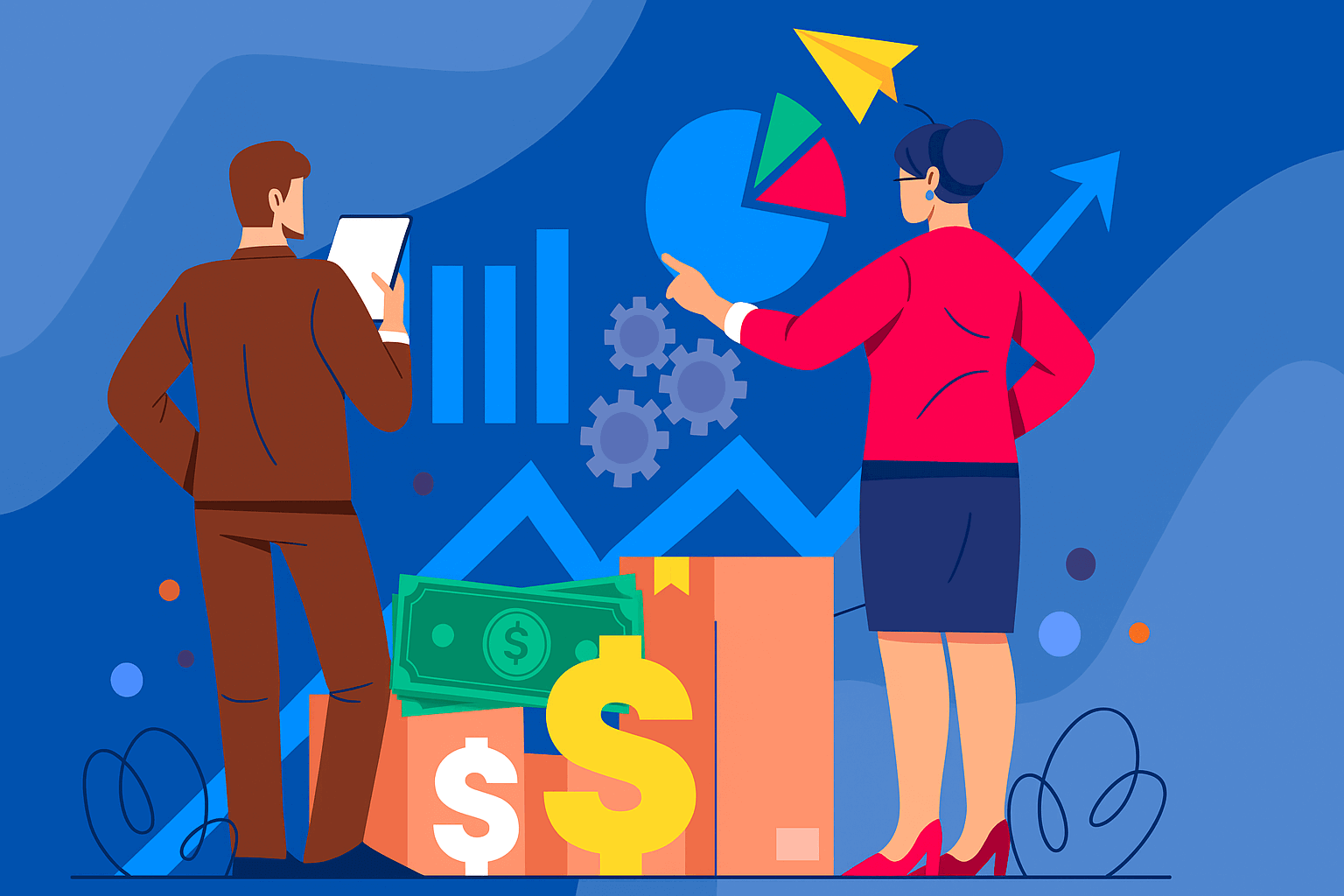
Companies across multiple sectors now prioritize resilience. They want solutions that stay strong under pressure. They want systems that can shift without losing performance. They also want access to technology that supports future growth. As these goals increase, adaptive frameworks offer the most reliable path. The need for sustainable systems grows each year. Therefore, strong outsourcing models create long lasting value for every industry they serve.

Debt Collection FinTech Scalable Operations

The world of digital finance continues to expand at a fast pace. Many organizations operate in ecosystems full of movement. These networks require clear processes that help teams manage user accounts and financial interactions. Because the sector evolves quickly, companies depend on systems that stay accurate under constant pressure. This is why Debt Collection becomes critical. It supports financial networks while bringing clarity to customer paths.

Within FinTech, accuracy and compliance remain essential. Teams must protect user trust while managing high volumes of transactions. They also need smooth communication between users and platforms. With scalable support, they handle rapid increases in demand. Growth becomes easier when processes adjust as volume rises. Although financial technology introduces new possibilities, smooth operations stay at the center of sustainable movement.

The structure behind scalable operations drives this stability. When workflows scale naturally with user growth, teams avoid breakdowns. They also reduce friction during expansion. As more digital finance tools enter the market, strong systems ensure leaders stay ahead. Even as users demand quicker results, adaptable outsourcing enables teams to deliver consistent outcomes. This balance between speed and accuracy shapes a foundation for long term financial success.

IT Development HealthTech Workforce Alignment

Innovation guides progress across the healthcare technology space. As digital tools expand, teams must adjust quickly to new challenges. Because the sector demands high accuracy, companies depend on systems that offer strong support. This is where IT Development becomes vital. Strong development structures help teams design better tools. These tools improve user experience across patient platforms and provider networks.

The growth of HealthTech raises new expectations. Users want quick access to information. They want systems that work well on every device. They want clarity through each digital step. Because these platforms require ongoing upgrades, outsourcing support becomes essential. Teams maintain focus while development partners ensure long term performance. Although innovation remains constant, structured development keeps progress organized.

This movement also highlights the importance of workforce alignment. Teams must work with clarity. They must understand how tools integrate. They must follow shared goals as they grow. When internal teams and external partners align, growth becomes smoother. This alignment enhances project delivery. It helps companies keep momentum. It supports system improvement across every digital layer.

QA Monitoring On Demand Travel and Transportation Resource Optimization

Travel platforms operate in fast moving environments. User movement changes by the minute. Because of this, companies need reliable systems that maintain performance even when demand spikes. Strong QA Monitoring ensures these systems stay consistent. It identifies issues early. It supports rapid improvement. It also strengthens the path between users and services.

The On-Demand Travel and Transportation space depends on smooth digital interactions. Users expect quick confirmations. They expect clear routes. They expect timely updates. When platforms function well, trust grows naturally. Therefore, ongoing quality checks remain essential. As the industry expands, strong monitoring protects core systems from disruptions. It keeps digital journeys smooth and predictable.

Behind this stability lies resource optimization. Companies must manage multiple moving parts. Drivers, riders, routes, data flows, and system updates all move at once. When resources align well, performance improves. Even during peak hours, optimized operations keep platforms steady. As a result, travel brands deliver reliable experiences even under heavy demand. This reliability encourages long term user loyalty.

Commitment Pathway for Sustainable Expansion

Long term expansion requires more than growth. It requires stable systems that adapt to change. Many industries move fast. They transform each year. They adopt new tools and enter new markets. Because of this, organizations need frameworks that support strategic transitions. Strong outsourcing approaches offer this stability. They help teams remain consistent as they evolve.

Sustainable growth stems from clear direction. It also comes from collaboration with partners who understand how to scale with purpose. When companies invest in adaptive models, they set the foundation for future success. These models encourage flexibility. They support digital transformation. They also give teams the confidence to explore new opportunities without losing balance. As long as industries continue to expand, the need for strategic outsourcing remains.

You can advance your momentum by choosing partners who guide your growth with precision. Begin the journey today with a step that strengthens your long term path. A committed strategy leads to meaningful transformation.

Align your vision with a partner ready to support your next stage of development. Reach out today and explore how your systems can evolve through powerful and adaptive outsourcing support.

Dynamic Revenue Systems in Entertainment and Gaming

Dynamic Revenue Systems Overview

The landscape behind modern digital growth continues to shift at a fast pace. Because of this movement, brands in the interactive world seek ways to strengthen value while improving user outcomes. Many strategies exist, yet few bring long term direction the way dynamic revenue systems do. These systems shape how studios earn, adapt, and scale. They also help teams understand what motivates players and viewers. The need for new thinking grows each year as entertainment forms evolve. Although the space moves fast, many leaders still aim for clear revenue paths that match their goals. Early teams once relied on simple buy-in models. Now, however, more advanced frameworks guide the path.

The demand for stable models rises as digital behavior grows more complex. Viewers change habits often. Players adopt new formats. Content creators test new channels. This environment pushes companies to search for smarter systems. This is where the experience of BPOManila enters the picture. Mentioning it once shows how external partners help build strong support layers. The rise of global audiences continues at full speed. Because of this, teams search for ways to keep these new users active. Yet, the challenge remains clear. Growth without structure leads to drop offs. Thus, dynamic strategies offer a steady guide.

Many companies now evaluate how their networks behave. They want to see where people stay. They want to see where they leave. They want to understand why they return. These actions lead to better outcomes. They also reveal how revenue flows across each touchpoint. As new systems form, teams need guidance. They also need practical tools. Although the world of digital media grows crowded, strong systems allow firms to find clarity. A new era forms around this movement. More creators enter the field. More users arrive. More content spreads. Yet strong foundations keep leaders steady.

Because of shifting expectations, companies push for sustainable systems. They want solutions that adapt well to change. They imagine worlds where revenue rises through meaningful actions. They also imagine a future where systems react quickly to new trends. This vision shapes the foundation behind dynamic growth models. It gives teams structure. It also gives them long term direction. Many leaders now accept that flexible systems drive performance. The world of entertainment and gaming helps prove this truth. The journey continues as space expands.

Lead Sales Entertainment and Gaming Technology

Stronger revenue pathways start with deeper knowledge of what players value. Because of constant shifts, teams must adjust often. Yet, when guided well, growth becomes more predictable. The world of Lead Sales offers structure for this need. Through clearer insights, teams learn which users show strong buying intent. They understand which groups respond well to targeted content. They also see where revenue strengthens. As a result, sales paths form with more accuracy.

Entertainment and gaming brands now operate in large ecosystems. These networks involve creators, players, streamers, and studios. They also involve technology partners that fuel each experience. Because these industries evolve quickly, sales planning becomes essential. Even so, early insights allow teams to act faster. When user interest shifts, new tactics follow. When demand rises, expanded paths open. Although rapid movement creates uncertainty, strong sales frameworks help keep direction clear.

Many platforms rely on interactive content that changes daily. This drives momentum. It also drives new revenue chances. Yet, without guidance, these moments pass quickly. Teams that understand user flow gain a strong advantage. They see when interest spikes. They also see when it drops. With these signals in place, they shape offers that match user expectations. Thus, revenue systems thrive as a result.

Lead Conversion Social Media Digital Expansion

Conversion stands at the center of every strong revenue movement. It captures interest and turns it into meaningful action. In the world of Lead Conversion, teams analyze behavior across every layer. Because users move fast between platforms, companies need clear insights. They need to understand how Social Media affects their decisions. They also need ways to support every shift. Strong conversion systems turn engagement into long term value.

The power of Social Media continues to grow. It influences how people discover games, shows, and creators. It fuels conversations that shape decisions. As the landscape expands, teams must understand how to guide movement. Conversion strategies help build smoother transitions. They ease the path from audience interest to final action. They also ensure each step remains aligned with user goals. Although trends shift often, stable systems stay effective.

Many brands now invest in digital expansion to increase reach. They enter new channels. They diversify content. They test new experiences. Yet, without conversion insights, these efforts lose potential. Conversion models transform scattered movement into clear direction. They reveal where interest turns into value. This knowledge drives sustainable growth.

Lead Support Audience Engagement Entertainment and Gaming

Support systems remain essential in a crowded digital environment. The rise of global users increases the need for fast responses. Strong Lead Support helps guide audiences through complex digital spaces. It ensures users receive help when needed. It also encourages them to stay active. Because player behavior changes often, support teams must act with speed.

The lens of audience engagement grows wider each year. More creators join the field. More fans participate in interactive spaces. These shifts increase the need for responsive systems. Good support not only solves issues. It also strengthens trust. It invites users to stay longer. It improves how audiences feel about the brand. Although many tools exist, guidance from strong support structures elevates each experience.

The entertainment and gaming world thrives on excitement. It thrives on discovery. It thrives on community. These elements raise engagement. Yet, without strong support, interest fades quickly. Users expect reliable paths. They expect help when features update. They expect direction when changes occur. Lead Support gives teams the structure needed to meet these expectations. Through strong systems, value rises.

Strategic Growth Guidance for Long Term Systems

As markets continue to expand, companies seek models that carry them into the future. They want lasting frameworks that adapt well to fast change. They also want systems that support creative growth. Dynamic strategies give teams this foundation. They guide each stage with clarity. They support every shift in behavior. They also strengthen long term outcomes.

The most successful leaders focus on flexible structures. They adopt new tools when needed. They adjust paths when the audience shifts. They also invest in experiences that hold value. This direction allows them to grow even as the world evolves. Teams that follow these models discover more stable revenue patterns. They also deliver smoother user journeys.

Clear insights drive better decisions. When companies understand why users behave in certain ways, they respond with more accuracy. This truth holds across every digital field. As long as companies remain open to change, they continue to grow. As dynamic systems advance, new opportunities appear.

Stronger systems grow when brands choose the right partners. You can build this momentum with a supportive team that understands your space. Reach out today and begin shaping revenue paths that evolve with your audience.