


By Rowie
Human Focus in Modern Industries
People first sustainability stands at the core of industries aiming to balance productivity with compassion. In every corner of business, from technology to healthcare, this approach shapes how employees connect to the purpose behind their work. It ensures that progress does not come at the cost of well-being or ethics.
In modern service networks, this philosophy drives organizations to rethink how they operate. Every decision becomes an opportunity to empower teams, protect resources, and innovate responsibly. This shift ensures that growth aligns with long-term value, not just short-term performance.
The emphasis on human-centered sustainability nurtures collaboration and trust. It transforms ordinary workplaces into ecosystems that value both people and the planet. By doing so, industries discover that empathy and efficiency can coexist in powerful harmony.
Service Ecosystem Through Innovation
Services play a crucial role in this sustainable transformation. They bridge clients, technology, and end users, creating a chain of value that rewards ethical practice. When people feel valued, innovation naturally follows. This connection enhances creativity, reduces turnover, and builds organizational loyalty.
Within outsourcing environments, sustainability becomes more than a policy, it becomes a mindset. Each layer of service delivery, from customer interaction to system management, carries the potential to create a positive impact. The introduction of eco-conscious systems and smarter workflows ensures reduced waste and optimized energy use.
Innovation fuels this process. When teams integrate automation and analytics with empathy, they find ways to reduce redundancy while elevating service quality. A balanced network recognizes that progress and care are not opposing forces but partners in sustainable growth.
How Does Sustainability Shape Service Networks
Sustainability redefines the way industries manage long-term outcomes. In traditional models, profit often overshadowed people and environmental care. Today, however, industries see sustainability as a core component of credibility. Clients trust partners who align business goals with ethical action.
Healthcare and finance sectors offer strong examples of this evolution. Both depend heavily on precision, reliability, and human sensitivity. When integrated with sustainable frameworks, they create resilient operations that protect both workers and consumers. Green systems, digital documentation, and energy-efficient tools now complement human-driven expertise.
For service networks, sustainability provides structure. It introduces standards that go beyond compliance, shaping everyday processes to respect both human and ecological limits. As teams adopt circular practices, reusing data responsibly or minimizing resource waste, they discover new ways to increase efficiency without losing their personal touch.
The Role of Technology in Sustainable Services
Technology drives this movement forward. Modern tools allow businesses to monitor energy use, streamline communication, and improve client experience without straining resources. Artificial intelligence and automation enable services to operate with speed while reducing repetitive workloads.
In customer service operations, for example, intelligent systems can track inquiries more effectively, cutting down unnecessary follow-ups and saving digital storage power. This reduces operational waste while maintaining a high-quality user experience. Sustainable practices thrive when paired with technological precision.
Industries that once relied heavily on manual tasks now harness innovation to create smoother, greener operations. By integrating data-driven insight, leaders can visualize their environmental footprint and design strategies that balance growth with responsibility. This ensures a sustainable cycle where technology enhances human potential rather than replacing it.
A Call for Human Centered Innovation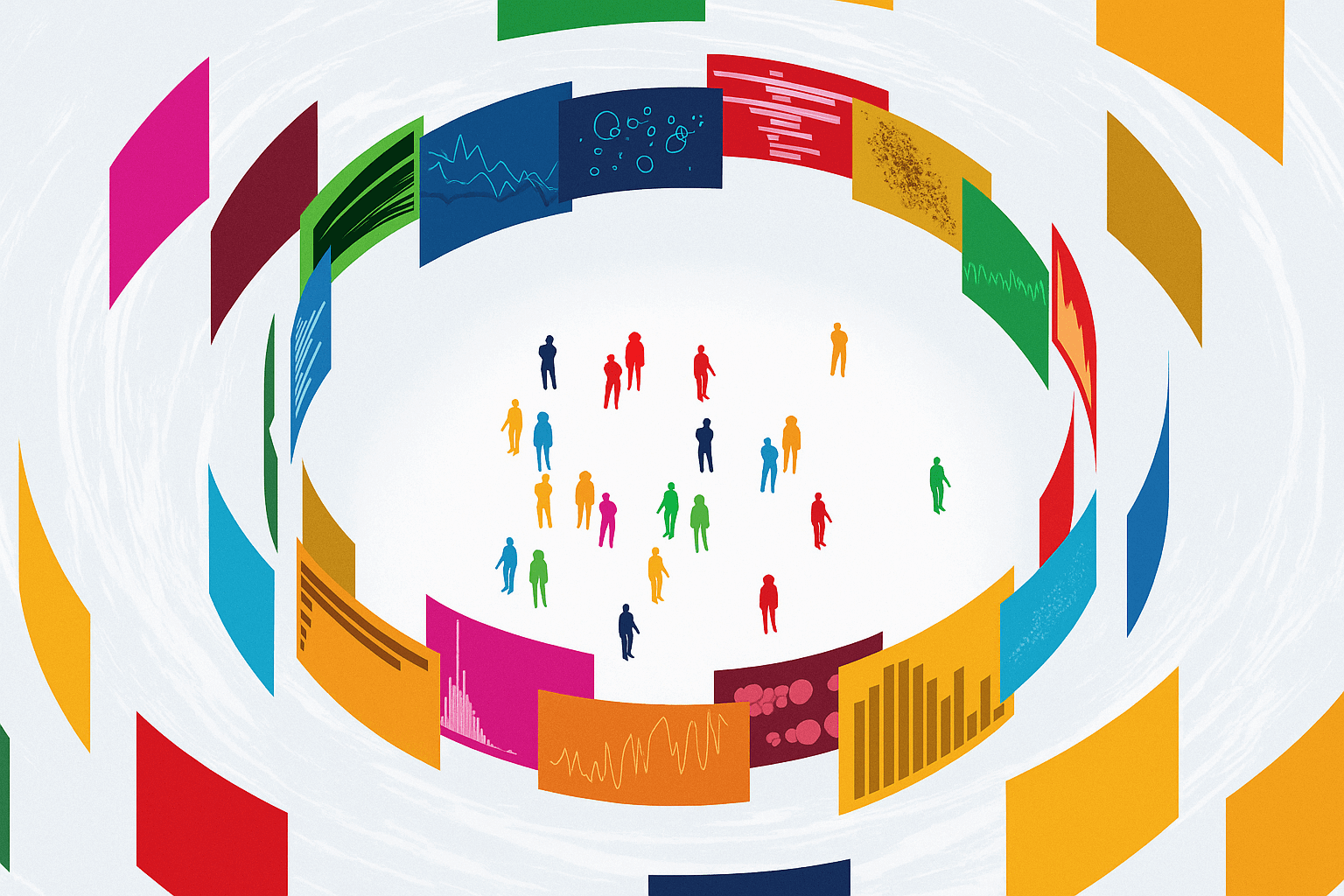
People remain at the center of every successful sustainability effort. They build the foundation of industries and define the success of services. When organizations nurture their workforce through training, wellness, and inclusivity, they create a culture that supports continuous growth.
BPOManila, for instance, demonstrates how a people-first strategy within outsourcing frameworks can reshape perceptions of business sustainability. By emphasizing employee development and responsible practices, it highlights how social awareness aligns with business strength. This model sets a benchmark for others striving for sustainable excellence.
A truly people-first vision ensures that technology serves humanity rather than the other way around. It means developing systems that enhance creativity, not suppress it. Sustainable innovation thrives where empathy and expertise coexist, inspiring teams to find meaning in progress.
Join the Future of Sustainable Service Networks
Sustainability is not just an environmental movement, it is a cultural evolution. The companies that place people at the center of their operations build futures that last. They create workspaces where every service contributes to a broader mission: the well-being of communities and the planet.
This is the right time to be part of that change. Explore how a people-first approach can transform your services, strengthen client trust, and position your brand as a responsible leader. The evolution toward sustainability begins with one decision, to care.
Reach out to learn how sustainable innovation can elevate your organization’s purpose and performance. Together, we can shape modern service networks that put people and the planet first.