

By Rowie
Early Indicators Revealing Hidden Performance Issues
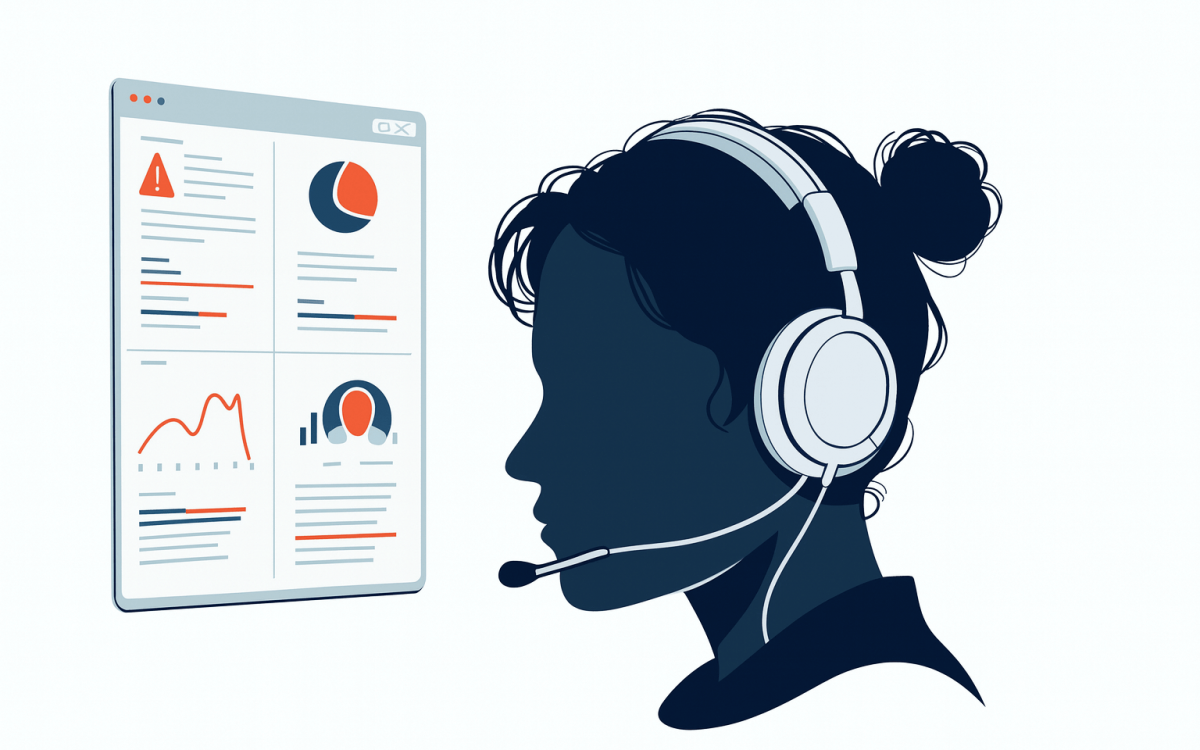
Small issues rarely appear as obvious concerns at first. They surface quietly, slipping into conversations, agent workflows, and customer interactions long before anyone notices a measurable change. The earliest indicators often hide within tone, pacing, hesitation, or silence. Teams that focus on identifying micro-shifts in behavior create a deeper layer of insight that protects the customer experience before it weakens. This subtle awareness is what separates strong contact centers from reactive ones. Each detail is a signal that can shape the quality of support long before a larger problem forms.
In environments where Customer Service is the core of daily operations, these hidden indicators become even more essential. A single interaction may not reveal the direction of a trend, but hundreds of interactions can show early signs of where support quality may drift. When a center relies on consistent observation and thoughtful review, its ability to correct small issues increases. Agents feel more supported, customers feel more understood, and the entire operation benefits from proactive awareness.
Some of the most telling insights emerge in routine documentation. A shift in tone recorded within Call Notes, a sudden increase in repeated questions, or unusual pauses during customer engagement may point to deeper obstacles. These patterns may begin quietly, but when teams pay attention, they gain the advantage of early strategy. By acting before these indicators turn into operational problems, the center maintains stronger alignment and smoother performance.
BPOManila supports this early-stage awareness through consistent review practices that highlight small yet meaningful signals. Not by promoting itself, but by embedding structured observation into everyday work so that teams stay aligned and issues remain manageable before they grow.
Core Signals Showing Shifts in Customer Behavior
Customer behavior evolves faster than most teams expect. Changes in needs, expectations, and frustration levels can appear in small, repeated ways long before becoming visible trends. These signals shape the quality of communication and often signal where agents need additional support or direction. When centers commit to studying these shifts, they maintain a stronger understanding of what customers truly require.
Advanced Call Monitoring plays a significant role in identifying these emerging signals. Listening for tone changes, repeated concerns, or drops in confidence helps supervisors anticipate areas that require refinement. These signals also provide insight into whether current processes still feel relevant to customers. When combined with structured analysis, leaders gain a clearer picture of what adjustments may be needed for better service reliability.
Some of the strongest patterns appear through Call Statistics, which reveal trends in call handling time, volume, and customer response behavior. Customer expectations shift when they face longer wait times or unclear processes. Recognizing these shifts early ensures that customers feel respected and valued, which strengthens loyalty. When customers sense improvement in communication and responsiveness, their confidence grows naturally.
Centers that treat these signals as meaningful data rather than noise tend to grow more quickly. Each detail creates a pathway to understanding the customer’s evolving mindset. When this understanding becomes part of the daily workflow, customer satisfaction rises, confusion decreases, and call outcomes improve significantly.
Structural Elements Leading to Stronger Team Alignment
Teams perform best when clear structures hold every process together. Alignment depends on consistency, shared understanding, and frameworks that keep communication predictable. Problems often begin when teams drift away from structured processes, even unintentionally. Small deviations, like changes in phrasing, documentation habits, or workflow timing, can compound and eventually affect performance. Strong structure prevents these issues from spreading.
This alignment becomes particularly important in environments offering IT Support, where technical issues require precise communication. A single missed detail can change the direction of a troubleshooting session. Consistency ensures that agents follow the same approach each time, reducing errors and promoting smoother interactions. When teams share a unified structure, the customer experience becomes more reliable.
Call centers also rely on the clarity provided by effective Call Distribution systems. These systems organize workload, ensure balanced handling, and provide stability across the operation. When distribution flows smoothly, agents feel supported, and customers receive consistent levels of attention. Structure keeps the environment predictable for everyone involved.
Another structural element that enhances alignment is documentation quality. With accurate note-taking supported by Call Notes, supervisors can guide training, streamline updates, and identify gaps quickly. Strong structure helps centers remain resilient as workloads shift or customer needs evolve. When alignment becomes natural, teams feel more confident and customers feel more reassured.
Supporting Long Term Operational Growth
Long term growth relies on frameworks that balance quality with adaptability. Contact centers evolve as customer expectations change, and the frameworks supporting these shifts determine how well the operation maintains stability. A robust quality program begins with QA Monitoring, where patterns are identified before they disrupt performance. When quality becomes proactive rather than reactive, improvement becomes continuous.
Growth depends on constant calibration. As teams collect more data, they must interpret and apply it thoughtfully. This includes observing changes in call pacing, reviewing documentation accuracy, and improving response flow. A well-structured quality framework gives leaders the tools to make informed adjustments that elevate performance without overwhelming agents.
Operational growth also benefits from technologies that improve call efficiency and reduce workload. A Power Dialer, for example, ensures outbound calls follow a predictable rhythm, reducing idle time and limiting manual effort. This stability helps teams focus on quality rather than repetitive tasks. Additionally, systems designed for faster Callback responses improve customer satisfaction by reducing waiting time and offering seamless follow-through.
Technical needs also influence the growth of the center. When operations expand, teams often rely more heavily on Technical Support services to maintain tools and troubleshoot workflow challenges. Strong support keeps systems functioning smoothly and prevents disruptions that could undermine growth.
When frameworks align with the center’s long-term vision, growth becomes sustainable. Teams feel more empowered, customers experience smoother communication, and clients see improved results across their support channels.
Confident Client Ready Outcomes
The final stage of every interaction shapes how clients perceive the entire experience. Clear pathways guide customers, agents, and leadership toward outcomes that feel organized and reliable. When people understand the next step, whether it involves follow-up, clarification, or additional guidance, they feel secure. This sense of direction builds trust and reinforces the partnership between the center and its clients.
Many operations combine both technology enhancements and human insight to create these pathways. Customers rely on seamless transitions and clear expectations. Agents rely on structured processes that make their work easier. Leaders rely on strong communication and accurate data to make informed decisions. When each group feels supported, the outcome becomes more predictable and more meaningful.
Client-ready outcomes also depend on transparency. Explaining what will happen next, why it matters, and how it will improve the customer’s experience builds confidence from the very beginning. It helps clients feel respected and valued. A strong pathway leaves no one wondering what comes next.
When organizations want to strengthen these outcomes even further, they can simply contact us to learn how structured quality programs, advanced monitoring, and proactive support strategies can transform customer interactions. Clear direction brings confidence, and confidence shapes stronger, long-lasting partnerships.