

Changing Markets in the Call Center Industry

The Shifting Role of Modern Call Centers

The call center industry continues to evolve as technology, communication, and customer behavior change. What was once a cost-saving solution now stands as a key part of brand strategy and connection. Shifting markets demand agility, and call centers have become the bridge between evolving customer needs and business adaptation.

As global business expands across borders, call centers serve as operational anchors. They ensure consistent communication, responsive service, and meaningful engagement. In times of market uncertainty, their flexibility supports stability, helping organizations adjust quickly without losing focus on quality.

Across industries, the modern call center operates as more than a help desk. It is now a performance-driven hub that blends digital tools, trained professionals, and customer insight. That balance defines how companies stay relevant in a constantly changing environment.

Economic Movements and Industry Impact

Every market shift reshapes the call center landscape. Economic growth drives expansion and job creation, while downturns lead to process re-evaluation and cost control. Regardless of these fluctuations, call centers remain essential because they support multiple industries that depend on direct communication and customer care.

Companies adjust their operations as demand rises or falls, and outsourcing becomes a practical way to maintain service quality without overspending. Through call center outsourcing, organizations access skilled teams, modern infrastructure, and efficient technology that align with economic changes.

The continuous cycle of adaptation keeps call centers resilient. Whether managing a surge in inquiries or supporting financial recovery efforts, they represent a steady link between businesses and the markets they serve. Their role evolves with every shift, reflecting global patterns in workforce behavior, trade, and innovation.

Services and the Foundation of Adaptability

The growth of the call center industry relies on diverse services tailored to changing customer expectations. These services extend beyond answering calls, they include live chat management, technical troubleshooting, data reporting, and multilingual engagement. Each one enhances efficiency while preserving personalized support.

By using automation and AI-assisted systems, call centers handle higher volumes while maintaining consistency. Technology enables smarter routing and real-time data sharing, allowing faster resolutions. However, human connection remains the foundation of effective interaction. Customers value empathy as much as accuracy.

Adaptability becomes measurable through the ability to scale. Outsourcing partners can expand or contract services based on client demand, helping businesses remain stable in shifting economies. As the market evolves, service design evolves too, ensuring customer experiences stay intuitive, seamless, and aligned with business goals.

Customer Support and Relationship Value

In a connected world, customer support defines brand trust. A single interaction can strengthen or damage reputation. Today’s customers expect immediate assistance and personalized solutions, not scripted responses. For this reason, support teams now operate with greater autonomy and deeper training in both communication and technology.

Customer support in changing markets also requires cultural awareness. As call centers expand across regions, multilingual and multicultural service delivery becomes a necessity. Teams trained in emotional intelligence and adaptability ensure smoother interactions and higher satisfaction.

This blend of empathy and efficiency turns support into a growth asset. When customers feel heard and valued, they remain loyal even during competitive shifts. Businesses that invest in support quality position themselves to maintain revenue stability and strengthen long-term relationships.

Workforce Agility and Digital Integration

Behind every strong call center is a skilled workforce that adapts to shifting systems and expectations. The evolution of hybrid and remote operations has widened the talent pool, enabling access to professionals across regions. This flexibility fuels scalability and inclusivity.

Training now focuses on digital literacy, active communication, and cross-platform awareness. Teams equipped with these skills can switch seamlessly between calls, chats, and data tools. Technology such as IT support infrastructure, cloud-based systems, and smart analytics enhances productivity while reducing downtime.

In competitive markets, retaining top talent is as vital as recruiting it. A motivated workforce drives consistency, quality, and innovation. The ability to learn quickly, integrate new tools, and maintain human connection defines success across every level of service delivery.

Financial Resilience in a Shifting Economy

When economies fluctuate, managing resources and finances becomes a business priority. Outsourced teams support stability by handling essential functions such as debt collection and lead generation. Each plays a distinct role in business continuity.
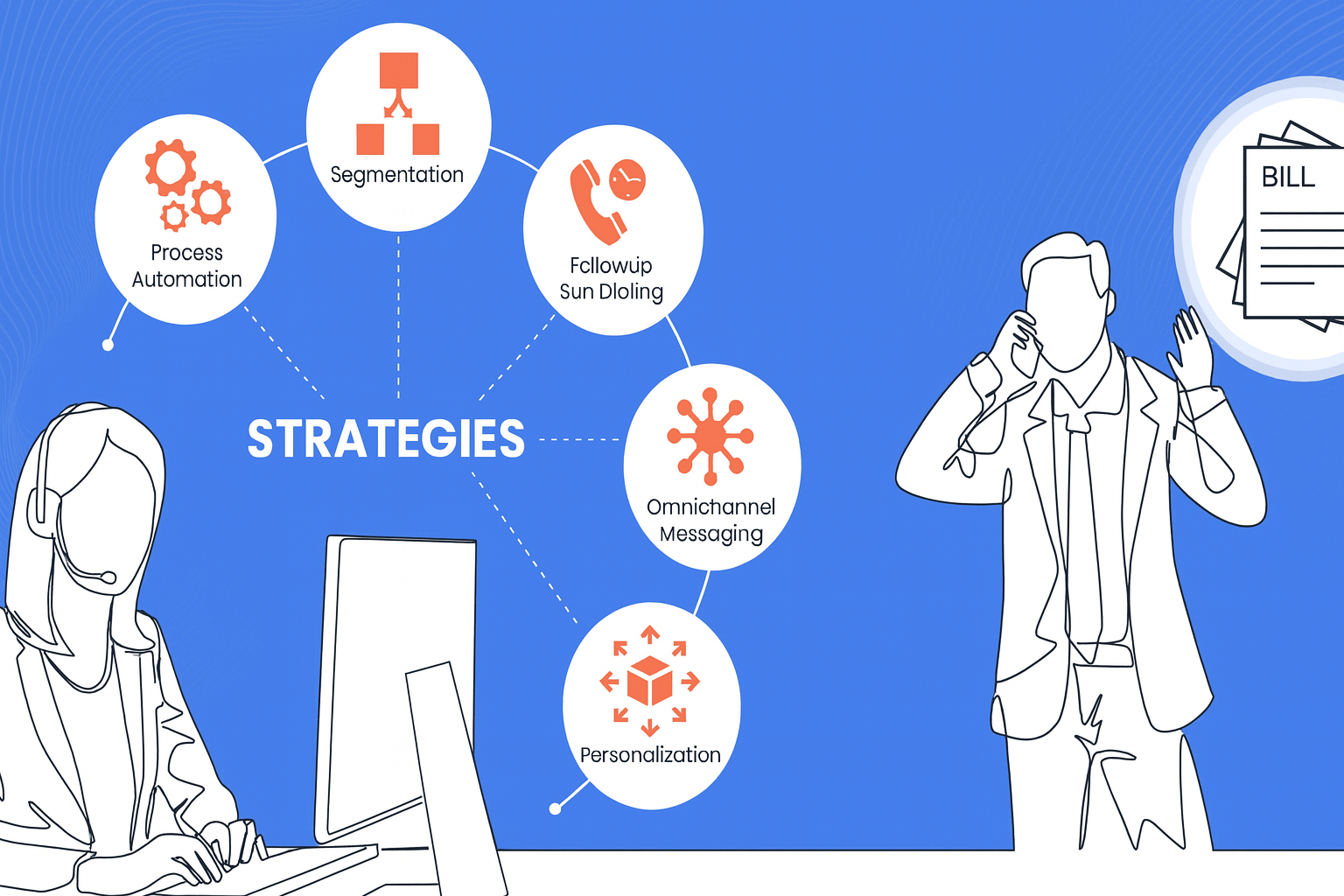
Debt collection helps maintain cash flow without compromising relationships. Trained professionals manage these conversations with respect, empathy, and compliance, ensuring that trust remains intact. Lead generation, on the other hand, fuels growth. It identifies new opportunities through data, analysis, and consistent outreach, turning interest into long-term clients.

Together, these two processes sustain momentum through financial transitions. They ensure that while the market may change, the company continues to move forward. Outsourcing these functions allows businesses to focus on strategy, product development, and innovation while maintaining financial discipline.

Growth through Collaboration and Market Connection

Adapting to change requires partnership. Businesses that collaborate with trusted outsourcing partners position themselves for long-term success. The combination of technology, global awareness, and operational flexibility drives better results.

Companies that choose to partner with experts like BPOManila gain access to customized strategies built around efficiency, cultural understanding, and scalability. Such partnerships go beyond cost management, they deliver insight, innovation, and resilience.

Every market shift creates a new opportunity for growth. To remain competitive, brands must align with partners who understand how communication builds trust. The future of the call center industry depends on collaboration between technology and people, strategy and empathy.

Build your next phase of success through smarter outsourcing solutions, innovative systems, and a network of professionals ready to adapt with you. Discover how the right partnership can strengthen your business in every market condition.


The Power of Connection in Modern Customer Experience

Connected Insight for Modern Engagement

In today’s fast-changing digital world, connection defines success. Understanding how customers think, act, and feel gives businesses the ability to create experiences that stand out. Customer intelligence transforms ordinary interactions into valuable data, helping brands predict needs and personalize every touchpoint.

Each click, comment, and purchase adds to a broader story. By analyzing these patterns, companies learn what drives behavior and how to respond with relevance. The stronger the connection between brand and audience, the more authentic the relationship becomes.

Customer insight allows businesses to move from guessing to knowing. When organizations apply these findings to their strategies, they not only improve engagement but also strengthen loyalty.

This evolution from simple transactions to genuine relationships marks a major shift in how companies build trust in the digital age.

Social Media Networks and Real-Time Awareness

Social media has become the heartbeat of online engagement. Every post, reaction, and message reveals customer thoughts in real time. It allows brands to listen, learn, and act without delay.

Businesses that pay attention to this data can identify what resonates and what needs improvement. Through active monitoring, they discover patterns that guide better decision-making.

Real-time feedback helps organizations stay adaptable. When customers share preferences or frustrations, brands can respond quickly and show that they value communication. This strengthens community and credibility.

With modern services and tools, analyzing social behavior has never been easier. Companies can now measure reactions, sentiment, and performance across multiple platforms. The insights gained from social networks make brands more relatable and responsive, two qualities that audiences value deeply.

Social media is more than a marketing tool. It’s a window into the customer’s mind and a bridge to meaningful connection.

Retail Connections Through Customer Understanding

In retail, every choice tells a story. From browsing patterns to buying habits, shoppers leave digital clues about what they want. These small signals, when combined, form a clear view of customer intent.

With customer intelligence, retailers turn this information into actionable strategies. They learn which products attract the most attention, what promotions create excitement, and when customers prefer to shop.

By applying this data, businesses can design experiences that feel personal. Tailored recommendations, smart product placements, and timely offers turn simple browsing into engaging journeys.

The value of personalization goes beyond the sale, it creates trust. When shoppers feel seen and understood, they’re more likely to return. Data-driven insight ensures that each interaction feels thoughtful rather than generic.

In today’s marketplace, understanding customers is not an advantage, it’s a necessity.

Ecommerce Growth Through Predictive Insight

The ecommerce industry moves at incredible speed. To stay competitive, businesses must anticipate customer behavior, not just react to it. Predictive analysis makes this possible by identifying patterns that forecast demand.

Using intelligent systems, companies can see when customers are most active, what products are trending, and which offers drive conversions. This allows smoother planning and a better shopping experience.

Automation also enhances lead support and efficiency. Chat systems and AI-powered assistants provide instant answers, while analytics measure satisfaction behind the scenes.

Fast and accurate service gives buyers confidence. It assures them that their needs matter and their time is valued. Each smooth interaction builds loyalty and encourages repeat business.

By connecting insight with execution, ecommerce brands transform data into customer delight, one click at a time.

Technology as the Framework of Intelligence

Behind every smart decision lies powerful technology. From data collection to automated communication, technology connects every stage of the customer experience.

It helps unify information from different channels, turning fragments of data into a clear, usable picture. Artificial intelligence refines this further by analyzing trends that humans might miss.

When paired with the right strategy, technology makes business operations faster and more accurate. However, true success depends on balance, technology must enhance human interaction, not replace it.

Intelligent systems empower teams to serve customers with greater understanding. They make processes smoother, reduce errors, and strengthen brand reliability.

When used wisely, technology doesn’t just improve performance, it deepens connection. It transforms data into direction and insight into action.

Customer Service Built on Knowledge and Care

Great customer service remains the strongest measure of brand integrity. In a digital-first world, the personal touch still matters most. Customers remember how they are treated more than what they purchase.

Data-driven service gives businesses a clear advantage. It provides context, so agents understand who the customer is and what they need even before they ask. This allows faster and more meaningful responses.

When customers feel heard and valued, they form emotional bonds with brands. These relationships last longer and withstand competition.

Personalization powered by customer intelligence ensures that every conversation feels unique. It also helps identify and resolve issues early, preventing frustration.

Excellent service, guided by insight, turns ordinary moments into positive memories that shape long-term loyalty.

Pathway Toward Smarter Engagement

Across industries such as social media, retail, ecommerce, and technology, customer intelligence drives growth and connection. It transforms everyday data into knowledge that guides innovation.

Brands that understand this dynamic thrive. They make smarter decisions, communicate more effectively, and adapt quickly to changing expectations.

BPOManila continues to support this evolution by helping businesses create seamless systems that connect data, service, and strategy. Through unified processes, organizations can deliver better outcomes for their audiences while staying efficient and authentic.

Now is the time to embrace the future of engagement. Build stronger connections, improve digital experiences, and lead your industry with confidence. Reach out today to discover how meaningful insight can redefine your customer relationships and create success that lasts.

Performance Infrastructure in Enterprise Support

Optimized Systems in Enterprise Operations

Performance infrastructure is the heart of modern enterprise success. It creates a reliable structure that connects technology, teams, and workflows into one synchronized system. Every part of enterprise support depends on how well these systems perform. A strong foundation allows teams to maintain balance even during high workloads or rapid expansion.

Enterprises thrive when their internal systems work smoothly together. Information flows faster, communication barriers fade, and processes remain consistent. Structured infrastructure also prevents duplication and errors by centralizing functions that once operated independently. Through connected systems, companies save time, lower costs, and improve overall efficiency.

In competitive markets, adaptability determines survival. Scalable systems adjust to changing needs, whether through automation or resource reallocation. This ability to evolve without disruption defines true infrastructure performance. Enterprises that invest in optimized systems gain lasting control and measurable improvement across every department.

A well-developed performance infrastructure is more than a technical framework. It reflects a business philosophy centered on clarity, discipline, and precision. When systems are organized with intention, enterprises gain visibility and can react to challenges with confidence.

Advanced Integration in IT Development

Within modern enterprises, IT development serves as both the backbone and the brain. Every operation, data storage, security, and digital collaboration, relies on it. Advanced integration brings together applications, databases, and automated tools into one performance-driven environment.

With integration, teams work smarter. Developers can identify inefficiencies early, update processes, and maintain productivity without disrupting operations. This alignment increases agility, allowing faster adaptation to emerging technologies. Continuous testing ensures software reliability, while automation removes repetitive tasks, giving human talent more space for innovation.

Infrastructure performance in IT depends on speed and security. Enterprises must ensure stable connectivity, safe access, and redundancy planning. When systems remain operational during peak activity, they protect workflow continuity.

Strong integration also supports innovation. Through cloud computing and API connectivity, businesses introduce new features without replacing their existing systems. This flexibility is crucial for long-term growth. It enables companies to experiment, expand, and refine while maintaining stability.

Reliable infrastructure transforms IT development into a growth engine rather than a maintenance task. It ensures every upgrade enhances scalability and supports the goals of enterprise support.

Efficiency in Modern Debt Collection Systems

Financial operations demand precision, especially within debt collection systems. Modern infrastructure turns traditional processes into intelligent, automated mechanisms that deliver transparency and speed. Automation now manages communication schedules, account categorization, and data reporting.

Predictive analytics play an important role. Systems analyze patterns in repayment behavior, helping enterprises forecast outcomes and reduce overdue accounts. Machine learning refines communication strategies, making reminders more efficient and professional.

Security remains vital. Data protection safeguards client information and ensures compliance with regulations. Well-built infrastructure maintains encrypted channels for all financial interactions, reinforcing trust among customers and business partners.

By integrating automation, enterprises achieve consistency. Manual errors decrease, workflows simplify, and reporting becomes more accurate. The combination of technology and structured systems creates measurable results, faster payments, better compliance, and stronger client relationships.

Debt collection infrastructure is no longer about pressure. It is about performance and accountability. When systems align with ethical practices and clear communication, financial management becomes both productive and transparent.

Customer Experience in Service Optimization

Every organization strives to improve customer service optimization. It is no longer enough to respond quickly; support must also be personalized and insightful. This transformation begins with a performance infrastructure that connects communication channels and integrates client data in real time.

When systems share information instantly, customer agents gain full visibility. They can see past interactions, preferences, and purchase histories before responding. This helps resolve issues faster and builds a stronger connection with clients.

Infrastructure also influences tone and timing. With the right setup, automation prioritizes tickets, routes calls efficiently, and maintains balanced workloads among agents. These systems ensure that customers never feel ignored or delayed.

Data-driven insights strengthen optimization further. Enterprises analyze service trends to discover improvement points and identify new opportunities. This cycle of refinement keeps customer satisfaction high.

A reliable infrastructure creates a consistent experience. Whether a client contacts a company through chat, email, or voice, they encounter the same level of care. That consistency reflects operational maturity and enhances brand trust.

When service optimization and technology intersect, customer loyalty becomes a natural outcome.

Reliability Across Expanding Industries

Reliability is the shared foundation across all industries. Each sector, healthcare, finance, retail, and logistics, relies on dependable systems to maintain stability. Without strong performance infrastructure, even small failures can lead to costly interruptions.

Enterprises invest in redundancy, load balancing, and backup systems to ensure continuity. These measures protect against outages and sustain production during high-traffic periods. They also support long-term scalability as organizations grow.


In retail, infrastructure ensures seamless order management. In finance, it secures sensitive transactions. In logistics, it tracks movement in real time. Despite differences in function, the goal is the same: operational reliability.

Enterprises measure reliability through uptime and response times. The higher the performance consistency, the stronger the reputation. Customers notice when systems work flawlessly, and trust deepens.

The success of infrastructure across industries shows that technology is not just a tool but a necessity. It defines how companies connect with their markets and deliver consistent results.

Building Sustainable Reliability with Expert Systems

Strong enterprise support starts with reliable systems. In a fast-changing digital economy, infrastructure determines how quickly businesses can adapt and how confidently they can grow. Partnering with specialists in performance infrastructure means investing in the strength behind every process.

Organizations like bpomanila help enterprises build structures that combine innovation with discipline. Their expertise ensures that each layer, from IT development to customer engagement, functions in harmony. With scalable systems and advanced monitoring, bpomanila creates frameworks that maintain speed, precision, and dependability.

A performance-based infrastructure does more than support day-to-day work. It drives innovation, improves quality control, and sustains operational reliability. Businesses that prioritize infrastructure now prepare for the challenges of tomorrow.

Let your enterprise grow without limits. Build systems that align with your goals and scale as your vision expands. Our experts create infrastructure designed for endurance, adaptability, and measurable performance. Reach out today to transform your operations into a model of lasting efficiency and stability.

Process Intelligence for Industry Expansion

Adaptive Frameworks in Modern Industries

Process intelligence transforms the way organizations operate and scale. It allows businesses to analyze, understand, and optimize their core structures with precision. Each decision becomes guided by data and insight, not assumption. For BPOManila, process intelligence represents the foundation of smarter operations built for expansion.

Modern industries rely on agility. The ability to evolve defines long-term success. Process intelligence supports this by connecting performance metrics with human decision-making. As a result, companies discover where to reduce waste, improve accuracy, and deliver better results. Every improvement strengthens competitiveness and adaptability in evolving markets.

With structured intelligence in place, industries can turn complexity into opportunity. Teams collaborate more effectively, workflows improve naturally, and outcomes align with long-term growth. This balance of human insight and digital precision defines the next stage of business performance.

Strategic Value Creation Through Business Services

Business efficiency starts with intelligent design. Process intelligence strengthens operational strategy by shaping systems that anticipate challenges instead of reacting to them. Within BPOManila’s model, each solution integrates scalability, accountability, and measurable performance.

This foundation transforms how companies deliver their services. Decision-making becomes faster, collaboration more consistent, and progress easier to track. Businesses no longer rely on volume alone but on the value created by optimized structures.

Intelligent process design also enhances transparency across departments. It provides leaders with real-time insight into productivity and performance metrics. That clarity supports informed strategies, reduces downtime, and drives sustained efficiency at every level.

How Does Process Intelligence Reinvent Customer Experience

Customer interaction remains the heart of every enterprise. In a world where response speed and personalization matter, process intelligence redefines how organizations deliver customer service.

Data-driven communication models improve efficiency across all channels. Through automation and analytics, companies recognize patterns in client behavior and tailor their support accordingly. This ensures that every interaction contributes to a stronger, lasting relationship.

By applying process intelligence, businesses move from transactional to relational engagement. Teams understand needs before issues arise. Clients receive consistent experiences that build confidence and loyalty. It is not only about problem-solving but also about creating connections that support brand integrity.

Operational Clarity Across FinTech and HealthTech Sectors

Process intelligence has become the backbone of innovation across complex environments like FinTech and HealthTech. In these sectors, precision, compliance, and responsiveness define success.

In FinTech, intelligent systems monitor workflows to improve transaction efficiency and risk control. They enhance verification, automate reporting, and ensure full transparency for every financial interaction. With these systems in place, organizations gain the confidence to scale securely.



In HealthTech, process intelligence improves how providers deliver digital care. Data accuracy, patient engagement, and system integrity all rely on automated insights. It ensures the right balance between speed and safety. The result is an ecosystem that supports better care outcomes and maintains trust in digital healthcare.

Across these industries, process intelligence becomes a stabilizing force that supports ethical, efficient, and scalable operations.

Performance Consistency in Retail and IT Systems

Retail and eCommerce thrive on responsiveness. Process intelligence refines every layer of the shopping journey. By studying buyer behavior, businesses can predict demand, align inventory, and manage fulfillment in real time. This predictive capability reduces cost while improving satisfaction.

At the same time, IT support plays a critical role in maintaining operational reliability. Through intelligent frameworks, organizations detect system issues before they affect users. Automation handles repetitive tasks, freeing teams to focus on innovation. This proactive structure keeps performance smooth, secure, and dependable.

When combined, retail efficiency and IT resilience create a model for consistent performance. Both benefit from the adaptability and foresight that process intelligence delivers.

Precision Development in Lead and Quality Systems

Every growing enterprise depends on the ability to identify, convert, and retain clients. Process intelligence strengthens lead generation systems by improving how data informs strategy. Teams track qualified prospects with greater accuracy, ensuring that engagement focuses on genuine opportunities.

In parallel, QA monitoring becomes more dynamic. With process intelligence, quality assurance shifts from inspection to prevention. Data guides real-time improvements, ensuring consistency without slowing delivery. Each adjustment builds a more reliable service environment, supporting performance and client satisfaction simultaneously.

Together, these systems maintain operational excellence. They help organizations scale without losing control of quality or communication.

Discover Growth Through Intelligent Partnership

Every business deserves a pathway designed for progress. BPOManila delivers that pathway through intelligent outsourcing built on precision and trust. Our process-driven approach aligns with your goals, empowering your team to reach beyond standard performance.

From streamlined systems to measurable results, every collaboration begins with understanding your challenges and ends with scalable success. Join a partnership that values clarity, innovation, and growth.

Reach out to BPOManila today and explore how process intelligence can define your next stage of industry expansion.

Technology Development and Customer Service

Technology Development and the Future of Industries

Technology development shapes how industries advance in a competitive environment. Every new tool changes how companies operate, from planning strategies to delivering solutions. Modern businesses rely on digital frameworks, automation, and cloud systems to stay relevant. Without these resources, growth becomes limited and costly.

Industries are constantly evolving. The pace of change requires organizations to be more adaptable than ever before. Companies that integrate strong technology development gain a competitive edge. They reduce delays, streamline communication, and build stronger foundations for long-term growth.

The role of innovation goes beyond simple efficiency. It drives the way people interact with services and with each other. As systems become more advanced, the expectations of clients also grow. Meeting those expectations is no longer optional. It is a requirement for success in today’s marketplace. Technology provides the tools, but strategy and vision ensure they are used effectively.

How Do Services Define Customer Experience

Customer service is often the first impression clients receive. It sets the tone for future interactions. Services that are reliable and responsive build trust and credibility. On the other hand, poor service damages reputations and reduces loyalty. This reality shows how central service is in building meaningful customer relationships.

The quality of customer service affects all industries, from finance to ecommerce. When people seek answers, they want speed and clarity. They also expect consistency across platforms, whether by phone, chat, or email. Organizations that align their services with these expectations create stronger bonds with clients.

Every interaction becomes a chance to strengthen loyalty. Customers remember how issues are handled. Simple solutions like quick responses, transparent updates, and respectful communication make a difference. These practices encourage repeat business and referrals, which are both vital for growth. Services are not an afterthought. They are the heart of modern business strategy.

IT Support and QA Monitoring in Business Stability

Behind the scenes, IT support is the backbone of daily operations. It ensures networks remain reliable, data stays protected, and employees stay connected. Without strong IT systems, even the best customer strategies can fail. Businesses need dependable support structures to manage disruptions and protect sensitive information.

IT support is more than troubleshooting. It is about building systems that are scalable and secure. By doing so, companies reduce risks while improving performance. Stability in IT processes allows staff to focus on delivering results instead of worrying about interruptions. This creates confidence for both employees and clients.

QA monitoring adds another essential layer. Quality assurance ensures that products and services meet expectations before reaching the client. By identifying and fixing errors early, businesses save time and resources. QA monitoring also creates a culture of responsibility. Teams know that accuracy matters and that every detail contributes to long-term trust.

Together, IT support and QA monitoring form a protective shield. They ensure that both internal systems and customer-facing solutions maintain the highest possible standards. These elements are not separate from growth. They are critical drivers of business stability and reputation.

Why Lead Generation and Debt Collection Remain Essential

Lead generation fuels the sales pipeline. Without it, businesses cannot sustain growth. Identifying new customers and bringing them into the system ensures that opportunities continue to expand. Technology has made lead generation more precise. Data-driven tools help target the right audience and deliver stronger results.

A company with strong lead generation gains resilience in changing markets. It maintains a flow of opportunities that reduces reliance on a small group of clients. This strategy supports both short-term wins and long-term success. Every qualified lead adds value to the future of the business.

Debt collection, while less visible, is equally important. Financial stability depends on consistent cash flow. Companies must balance strong client relationships with effective collection practices. Modern tools have made this process more transparent and respectful. Businesses that adopt structured systems avoid unnecessary risk.

When lead generation and debt collection work together, organizations remain both forward-looking and secure. They ensure resources are available for growth while keeping financial health stable. This combination builds confidence in clients, employees, and investors alike.

Building Trust Through Ecommerce Engagement

Ecommerce has transformed how customers shop and interact with brands. Buyers expect fast delivery, secure payments, and clear communication. For this reason, customer service within ecommerce is part of the entire experience, not just a support function.

When problems arise, customers expect immediate answers. Chat systems, return policies, and easy refund processes build trust. Technology makes these steps faster, but human service keeps them personal. Businesses that combine automation with authentic interaction create loyalty.

Retailers that provide strong ecommerce service often see higher retention rates. Shoppers return because they feel valued and supported. In markets filled with options, trust is the deciding factor. Reliable ecommerce engagement ensures customers continue choosing the same brand again and again.

This approach also builds reputations beyond individual transactions. Positive experiences lead to recommendations and reviews. These outcomes expand visibility and strengthen credibility. For companies competing online, ecommerce engagement becomes a driver of long-term growth.

Begin Your Next Chapter with Confidence

Your organization deserves more than standard solutions. Success comes from blending technology development with customer service that reflects real understanding. Every detail, from IT support to QA monitoring, shapes trust and performance. Growth also depends on strategies that balance lead generation with strong financial systems.

Now is the time to choose a partner who can align these elements with your goals. The right collaboration helps reduce risks, capture opportunities, and create stronger relationships. When your systems and your customer connections work together, every goal becomes more achievable.

Begin your next chapter today. Build strategies that combine innovation with care, and move forward with confidence that your business is ready for the future. Reach out and explore how expert guidance can create lasting impact for your brand.