The Difference Between Fast and Long Term Systems

Speed and Stability as Competing Priorities

Fast results often attract attention. Leaders feel pressure to move quickly, respond instantly, and show momentum. However, speed alone does not build lasting operations. Stable systems focus on repeatable outcomes rather than short bursts of performance. The difference between fast and stable becomes clear when demand increases.

Fast systems react. Stable systems prepare. When teams rely only on speed, processes stretch thin. Mistakes rise quietly. Burnout follows soon after. Stability prevents this cycle by creating consistency. Teams know what to expect. Customers receive reliable responses. Leaders gain visibility.

BPOManila approaches support with this balance in mind. The focus stays on clarity first, then efficiency. Preparation allows speed to exist without sacrificing quality. Systems handle pressure without collapsing.

Stability also protects growth. As volume increases, prepared teams adjust smoothly. They do not scramble. Instead, they rely on structure and shared understanding. This keeps service levels consistent even during peak demand.

Ultimately, speed works best when supported by stable foundations. Without them, growth stalls. With them, progress continues without friction.

Industry Pressure and Performance Expectations
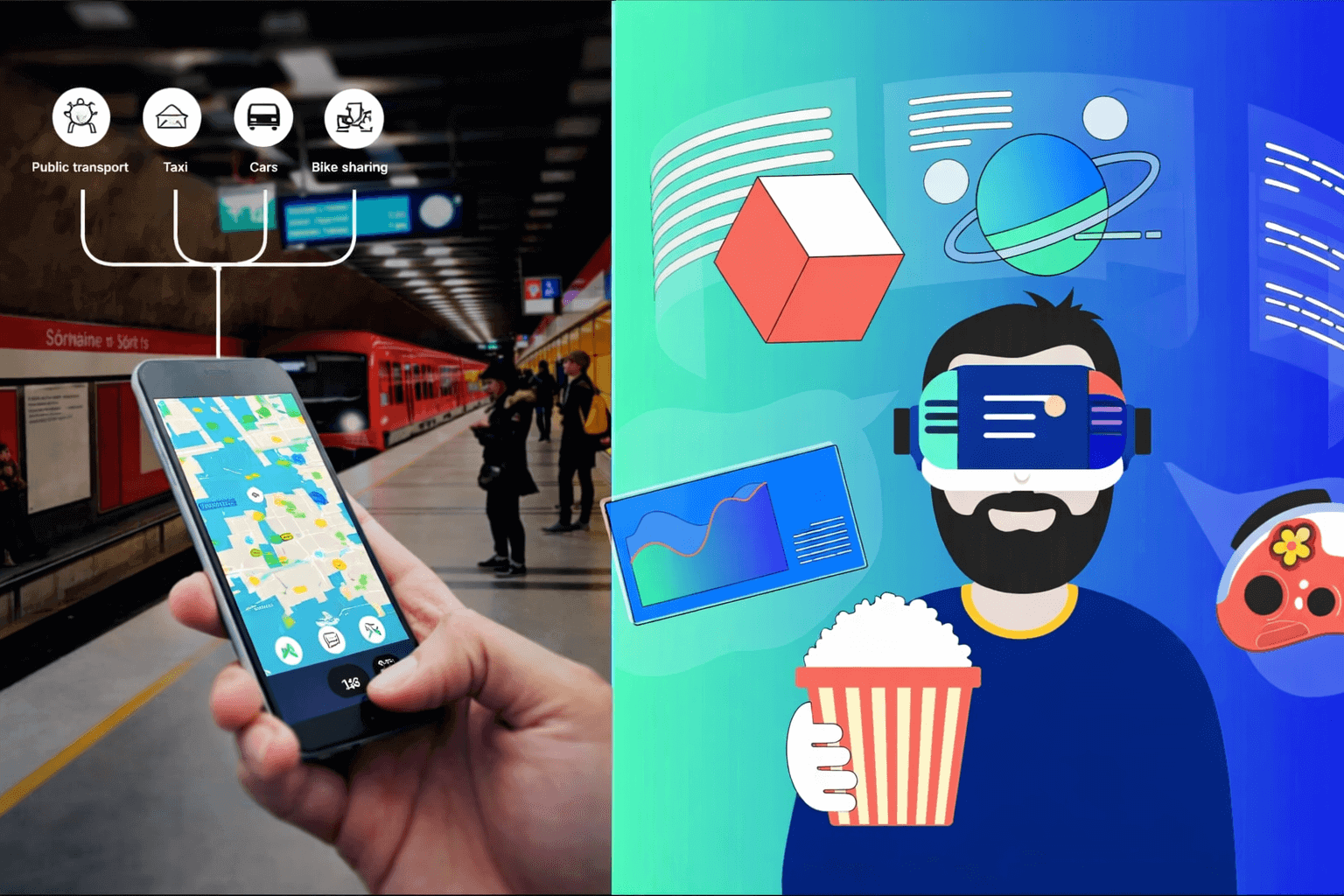
Every business faces pressure, yet industries experience it differently. Understanding that difference shapes better support decisions. In Entertainment + Gaming FinTech, response time matters deeply. Users expect instant answers. At the same time, accuracy and security remain critical. Stability ensures trust stays intact.

For On-Demand Travel + Transportation, volume changes quickly. Support teams handle cancellations, delays, and real time updates. Stability keeps communication calm and clear even during spikes. Speed alone would overwhelm teams.

In Technology, product changes arrive often. Support teams manage evolving information. Stable training and documentation keep responses accurate. Without structure, confusion spreads quickly.

Across industries, sustainable performance depends on preparation. Speed delivers impact only when teams feel supported and informed.

Support Infrastructure That Keeps Systems Aligned

Infrastructure determines how well teams perform under pressure. Reliable technical support keeps platforms responsive and accessible. When systems run smoothly, teams focus on people instead of problems.

Visibility also matters. Call monitoring provides insight into tone, clarity, and consistency. Leaders identify strengths and gaps quickly. Feedback becomes specific and actionable.

Workload balance plays a role as well. Call distribution prevents overload by spreading volume evenly. Teams maintain energy and accuracy longer. Meanwhile, a power dialer improves efficiency without forcing pace.

Each element supports stability. Together, they create environments where speed feels natural rather than forced.

Operational Flow That Reduces Friction

Stable systems rely on flow. Clear paths reduce hesitation. Defined expectations reduce stress. When teams understand processes, performance improves naturally.

Escalation paths guide decision making. Documentation supports confidence. Consistent schedules protect focus. These elements reduce friction while maintaining pace.

A simple example is the callback process. Clear timing and ownership prevent repeated contact. Customers feel respected. Teams regain control of their workflow.

Flow allows teams to move quickly without rushing. That distinction protects morale and results over time.

Choosing Momentum That Lasts

Organizations often choose between appearing fast and building something durable. Sustainable growth favors stability. Systems that last adapt without losing direction.

Understanding support priorities starts conversations. Alignment builds clarity. When teams connect with the right partners, progress follows naturally without pressure.

The difference between fast and stable becomes clear with time. Stability creates momentum that lasts. Speed then becomes a benefit, not a risk.


How Strong Support Systems Are Built and Sustained

The Foundations Behind Reliable Business Support

Strong support systems begin with clarity. Without it, even the most motivated teams struggle to perform consistently. When expectations remain clear, work feels purposeful and progress feels natural. Businesses that scale successfully often focus on building strong foundations before chasing speed. That early discipline prevents confusion later.

BPOManila approaches support with this long view in mind. Instead of reacting to pressure, the focus stays on preparation. Clear workflows help teams understand priorities. Defined roles reduce overlap. As a result, daily operations move smoothly without constant correction.

Clarity also strengthens trust. When teams know what success looks like, confidence increases. Customers notice that confidence through consistent communication and dependable outcomes. Internally, leaders gain visibility into performance and capacity.

Growth always introduces complexity. However, strong systems absorb that complexity without friction. Teams adapt because expectations already exist. Processes evolve without breaking. That balance protects quality even as demand rises.

Clear systems also support collaboration. When information flows freely, decisions happen faster. Teams solve problems together instead of working in isolation. This alignment creates momentum that lasts beyond short term gains.

Ultimately, clarity creates stability. Stability supports growth. When systems begin with understanding rather than urgency, support becomes a strength instead of a risk.

Service Structures That Drive Performance

Effective services sit at the center of scalable support. When structured with intention, they remove friction and create forward motion. Each service plays a defined role while connecting smoothly with the rest of the system. That alignment keeps teams focused and efficient.

Poorly designed services create confusion. Tasks overlap. Communication slows. Customers experience inconsistency. In contrast, clear service design guides execution. Teams understand where their responsibility begins and ends. Accountability improves naturally.

Strong service structures also support flexibility. As business needs change, adjustments integrate smoothly. Teams do not scramble to adapt. Instead, they follow existing frameworks that allow change without disruption.

Consistency matters here. Reliable service delivery builds trust over time. Customers feel supported. Internal teams feel confident. Leadership gains insight through measurable outcomes.

Service structure does more than solve problems. It prevents them. By anticipating demand and defining processes, teams respond calmly rather than react urgently. That calm improves quality and morale.

When services align with goals, support becomes proactive. That shift transforms operations from a cost center into a growth driver.

Early Trust and Meaningful First Connections

Lead Sales shapes how relationships begin. First interactions influence trust, tone, and future engagement. When handled with care, this stage opens conversations instead of forcing outcomes. That approach sets expectations that last.

Strong early engagement focuses on listening. Understanding needs creates relevance. Relevance builds connection. Prospects feel respected rather than pressured. That feeling increases long term value.

This stage also establishes credibility. Clear communication signals professionalism. Thoughtful pacing shows confidence. Together, these elements create comfort during decision making.

When teams approach lead engagement intentionally, results follow naturally. Conversations progress smoothly. Opportunities develop without resistance. Systems perform better because trust leads the process.

Early trust reduces friction later. When expectations align from the beginning, transitions feel seamless. Teams work from shared understanding instead of assumptions.

Lead engagement works best when it feels human. Systems support that humanity by providing structure without rigidity. That balance strengthens outcomes and relationships alike.

Industry Awareness That Guides Execution

Different industries require different support approaches. Context shapes expectations, tone, and pacing. Understanding that context improves execution.

In Retail + eCommerce, volume and responsiveness matter. Support teams manage frequent inquiries while maintaining accuracy. Speed matters, yet clarity protects satisfaction.

Industry awareness also influences training. Teams learn terminology, workflows, and customer priorities. This preparation reduces hesitation and improves confidence.

Strong systems adapt without losing structure. They allow teams to meet industry demands while maintaining consistency. That adaptability protects performance during growth.

Industry understanding also supports decision making. Leaders align resources based on demand patterns. Teams anticipate needs instead of reacting.

When support reflects industry reality, service feels natural. Customers feel understood. Teams feel prepared. Systems remain stable even under pressure.

Where Strong Systems Continue Forward

Support systems grow stronger through intention and refinement. Sustainable progress favors preparation over urgency. Teams perform best when structure supports them.

Organizations benefit from alignment. When systems reflect goals, performance improves without added pressure. Growth feels manageable instead of chaotic.

The next step often begins with exploration. Understanding where systems can improve creates opportunity. Thoughtful conversations open doors without commitment.

When businesses invest in strong foundations, progress follows naturally. Stability creates confidence. Confidence fuels growth.

Why Outsourcing Matters More In A Digital First World

A Shift In How Modern Businesses Operate And Scale

Outsourcing has changed dramatically in recent years. It is no longer a cost saving shortcut. Instead, it has become a strategic decision shaped by speed, access, and digital demand. As businesses operate across time zones and platforms, support must remain consistent and responsive. This shift explains why outsourcing matters more now than ever before.

In a digital first world, customers expect immediate responses. They also expect accurate information and smooth experiences. When internal teams struggle to keep pace, gaps appear quickly. Outsourcing fills those gaps by extending capability without slowing momentum.

BPOManila supports organizations navigating this change by aligning outsourced teams with modern business expectations. Rather than acting as a detached extension, outsourced support integrates directly into daily operations. This alignment helps businesses remain competitive without overstretching internal resources.

Digital transformation also increases complexity. Systems multiply. Channels expand. Workflows become more interconnected. Outsourcing provides access to specialized support that adapts to these changes without constant internal restructuring.

Additionally, outsourcing supports flexibility. Businesses can scale support up or down as demand shifts. This responsiveness matters in fast moving markets where timing influences outcomes.

In today’s environment, outsourcing is less about delegation and more about partnership. It allows organizations to focus on growth while ensuring operational stability. That balance defines success in a digital first world.

Specialized Support That Keeps Daily Operations Moving

As businesses scale, operational demands increase. This is where services become essential. Outsourcing allows organizations to maintain focus while experienced teams handle critical functions. One area where this impact is most visible is Customer Service.

Consistent support strengthens brand perception. When customers receive timely and accurate responses, trust builds naturally. Outsourced teams trained for this purpose ensure interactions remain professional and aligned with brand standards.

In many organizations, a dedicated Call Center forms the backbone of this support. It manages volume, maintains response quality, and ensures availability. Outsourcing this function allows businesses to extend coverage without sacrificing control.

Support teams also handle issue resolution efficiently. Clear workflows guide interactions. Escalations follow defined paths. This structure prevents confusion and improves outcomes.

Outsourcing also supports specialization. Teams trained for specific functions deliver higher quality results. Instead of generalists juggling multiple roles, specialists focus on doing one thing well.

By outsourcing key services, businesses gain reliability. Daily operations continue smoothly even as demand fluctuates. This consistency allows leadership to focus on strategy rather than firefighting.

In a digital economy, operational continuity matters. Outsourcing provides the support needed to maintain that continuity at scale.

Practical Advantages That Strengthen Long Term Performance

Outsourcing offers more than immediate relief. It delivers long term advantages that support sustainable growth. One key benefit is access to Technical Support without the overhead of building internal teams from scratch.

Technology evolves quickly. Systems update. Platforms change. Outsourced teams stay current through continuous exposure. This adaptability reduces downtime and improves resolution speed.

Another advantage involves quality oversight. Call Monitoring ensures interactions meet standards. Feedback loops improve performance. Issues get addressed before they escalate.

Operational clarity improves as well. Clear documentation and reporting maintain transparency. Leaders gain insight into performance trends without micromanaging.

Outsourcing also improves responsiveness. Tools like Call Distribution route inquiries efficiently. The right request reaches the right resource without delay. This efficiency enhances both customer experience and internal workflow.

Additionally, outsourcing supports consistency across regions. Whether serving local or global audiences, standardized processes maintain quality.

These practical advantages accumulate over time. They strengthen resilience and allow organizations to adapt confidently to change. Outsourcing becomes a foundation for long term performance rather than a temporary fix.

Industry Alignment That Supports Digital Growth

Different markets face different challenges. Outsourcing adapts to these realities by aligning support with specific industries. For example, Retail + eCommerce requires fast response times, order accuracy, and consistent engagement across platforms.

Outsourced teams understand these demands. They manage inquiries, handle follow-ups, and maintain continuity during peak periods. This alignment prevents service disruptions when demand spikes.

Beyond retail, outsourcing supports a wide range of industries. Each sector benefits from tailored processes that reflect its unique needs. This customization ensures relevance rather than generic support.

Tools and workflows adapt accordingly. For instance, callback systems improve efficiency by reducing wait times. Customers stay engaged without frustration.

Industry alignment also improves data handling. Support teams recognize patterns and anticipate needs. This awareness improves resolution quality.

By supporting multiple industries, outsourcing partners develop broad expertise. Businesses benefit from this experience without investing years building it internally.

In a digital first world, industry specific support matters. Outsourcing delivers that focus while maintaining scalability.

A Strategic Way To Build Sustainable Partnerships

Outsourcing succeeds when it feels collaborative rather than transactional. Strong partnerships form when communication stays clear and expectations align. This approach transforms outsourcing into a strategic asset.

BPOManila supports this partnership model by prioritizing transparency and alignment. Teams integrate into workflows. Feedback flows consistently. Adjustments happen proactively.

Outsourcing also creates space for growth. Internal teams focus on innovation while outsourced support maintains stability. This division of focus strengthens overall performance.

Sustainable outsourcing depends on trust. When partners deliver consistently, confidence grows. That confidence allows businesses to expand without hesitation.

In a digital first world, agility matters. Outsourcing provides that agility while preserving quality and control.

If your organization is navigating growth, outsourcing offers a practical path forward. Thoughtful partnerships today create resilience for tomorrow.

Smart Operations Stay Smooth as Demand Grows

Operational Readiness in a High-Demand Business Climate

Growth rarely arrives quietly. Demand increases quickly. Expectations rise just as fast. As a result, operations face constant pressure to keep pace without disruption. Businesses that scale successfully do not rely on chance. Instead, they rely on preparation, alignment, and adaptability.

BPOManila supports companies navigating this reality every day. As demand grows, operational strain becomes a defining challenge. Without the right support model, teams feel stretched. Delays appear. Quality slips. However, well-prepared operations remain steady even under pressure.

Smooth performance begins with clarity. Teams must understand workflows clearly. Systems must handle volume efficiently. Communication must remain consistent. When these elements align, growth feels manageable rather than overwhelming.

Additionally, external support plays a critical role. Businesses no longer scale alone. They partner with organizations that understand volume management. Through experience and planning, these partnerships protect performance during expansion.

Moreover, readiness supports confidence. When teams know systems can handle demand, decision-making improves. Leaders focus on growth instead of damage control. This mindset shift defines sustainable expansion.

Ultimately, operational readiness transforms growth into opportunity. With the right foundation, demand becomes a signal of success rather than stress.

Scalable Support Across Essential Business Services

As operations expand, support requirements increase across multiple areas. Businesses depend on adaptable services to maintain continuity. Among the most critical are Customer Service and Lead Generation.

Customer Service remains the frontline of every growing organization. As volume rises, response speed and consistency matter more. Well-trained teams manage inquiries efficiently while preserving brand tone. This stability reassures customers even during peak demand.

Meanwhile, Lead Generation fuels growth itself. Increased demand often follows successful outreach. However, lead volume must remain manageable. Structured processes ensure that opportunities receive timely attention. Without this structure, lead stall and conversion drops.

BPOManila supports both functions through scalable staffing and refined workflows. Teams expand without sacrificing quality. Processes adjust without confusion. As a result, growth continues smoothly.

In addition, IT Support ensures that technical systems keep pace. As demand increases, platforms face heavier use. Support teams monitor performance closely. They address issues quickly before disruptions spread.

Service scalability depends on coordination. Each function supports the others. When one slows, the entire operation feels it. Balanced support prevents these bottlenecks.

By aligning service delivery with growth goals, businesses maintain momentum. Demand increases, yet operations remain calm and controlled.

Consistency and Control Within Expanding Operations

Growth challenges consistency. As teams grow, variation appears. Processes drift. Communication gaps widen. Therefore, control mechanisms become essential.

Operational stability relies on clear standards. Every interaction follows defined guidelines. This approach reduces error while improving efficiency. Teams operate confidently because expectations remain clear.

Monitoring tools support this consistency. Call Monitoring allows supervisors to review interactions regularly. Feedback improves performance. Adjustments happen quickly. Quality remains steady even as volume grows.

At the same time, Call Distribution ensures balanced workloads. Calls route intelligently to available agents. This prevents overload while maintaining response times. Efficient distribution supports morale and performance.

BPOManila integrates these controls into daily operations. Systems adapt in real time. Supervisors maintain visibility. Teams stay aligned.

Consistency also depends on documentation. Notes remain clear. Follow-ups stay accurate. This attention to detail prevents small issues from escalating.

Control does not limit growth. Instead, it enables it. With the right safeguards, expansion remains smooth rather than chaotic.

Industry Alignment Within Specialized Growth Environments

Different markets demand different approaches. Industry alignment ensures relevance as operations scale. BPOManila supports diverse industries, including Retail + eCommerce and Technology.

Retail + eCommerce environments experience rapid fluctuations. Seasonal demand spikes. Promotions drive volume instantly. Support teams must adapt quickly while maintaining customer satisfaction. Structured workflows help manage these shifts.

Technology-driven businesses face different challenges. Platforms evolve constantly. Users expect fast resolutions. Support teams require technical understanding and clear escalation paths. This alignment prevents frustration during growth phases.

Industry knowledge informs staffing models. It shapes training. It guides communication tone. Without this insight, scaling efforts lose effectiveness.

Additionally, specialized tools support industry needs. Reporting adapts. Metrics reflect relevant goals. Teams measure what matters most.

By aligning support with industry realities, businesses maintain relevance. Growth feels natural rather than forced. Operations stay smooth despite complexity.

A Sustainable Growth Path Through Strategic Support

Demand growth does not need to overwhelm operations. With the right approach, it strengthens them. Strategic support transforms expansion into stability.

BPOManila helps organizations grow without friction. Through aligned services, informed industry support, and operational control, growth becomes sustainable.

If your business faces rising demand, support systems matter. The right partnership keeps operations steady while momentum builds. Reach out to explore how smooth growth can feel when preparation leads the way.

Different Needs, Same Standard of Excellence

Consistency as a Shared Expectation

Businesses operate in very different environments, yet expectations around quality remain the same. Some teams move quickly and focus on scale, while others operate carefully under strict requirements. Despite these differences, support must remain reliable, clear, and predictable. BPOManila works with multiple industries while applying the same level of accountability and professionalism across every engagement.

A shared standard does not mean identical execution. Instead, it reflects consistent principles. Clear communication, dependable workflows, and thoughtful issue handling remain constant, even as business needs change.

Consistency builds confidence. When organizations know what level of service to expect, planning becomes easier. Partnerships strengthen. Operational uncertainty decreases. This stability allows businesses to grow without worrying about quality slipping over time.

Although business models differ, customer expectations do not. People expect timely responses and accurate information. Internal teams expect organized data and smooth coordination. A strong standard ensures those expectations are met.

Excellence appears through daily execution rather than promises. When standards remain steady, support delivers value across changing environments without confusion or disruption.

Speed Versus Precision in High-Impact Environments

Some environments demand fast action, while others require careful handling. Entertainment + Gaming relies heavily on speed and engagement. Users expect immediate responses and smooth experiences. Support teams must stay alert and responsive to protect satisfaction.

By contrast, HealthTech emphasizes accuracy and responsibility. Clear communication and careful handling of information protect trust. Support teams must remain organized, calm, and detail-focused.

These two environments highlight why adaptability matters. One prioritizes responsiveness. The other prioritizes precision. A consistent standard allows both needs to be met without sacrificing quality.

In practice, excellence balances urgency with care. Speed does not remove responsibility, and precision does not eliminate urgency. Strong support adapts while maintaining reliability.

Managing Volume and Complexity at the Same Time

High interaction volume creates different challenges than technical complexity. Retail + eCommerce operations manage constant customer inquiries related to orders, returns, and availability. Efficient responses and consistency shape customer trust.

Meanwhile, the Technology sector focuses on problem resolution and clarity. Technical concerns require structured explanations that avoid confusion. Support teams must communicate solutions in an accessible way.

Although their challenges differ, both environments rely on clarity. One manages scale, while the other manages complexity. A shared standard ensures dependable support across both situations.

Clear processes prevent breakdowns. Customers feel supported. Internal teams stay aligned. Performance remains stable even during peak demand.

Timing and Accessibility Under Pressure

Some industries operate on tight timelines. On-Demand Travel + Transportation depends on accurate updates delivered quickly. Delays or misinformation can disrupt plans and trust. Availability becomes critical during high-demand moments.

A reliable Call Center supports this need by providing direct access to information. Clear communication ensures updates reach the right people at the right time.

From an operational perspective, these elements intersect around speed and accessibility. Travel operations depend on real-time coordination. Call center access ensures communication stays open.

When timing and access align, support remains dependable even under pressure. Information flows clearly. Disruptions are minimized.

Quality Control Through Review and Documentation

Maintaining quality requires oversight and clarity. Call Monitoring supports performance by reviewing interactions and reinforcing expectations. Feedback identifies improvement opportunities while protecting standards.

At the same time, Call Notes ensure continuity. Accurate documentation allows smooth follow-ups and reduces repetition. Teams remain aligned when information is recorded clearly.

In operation, monitoring provides accountability, while notes provide context. One ensures consistency. The other ensures continuity. Both protect quality across interactions.

These practices allow teams to adapt without losing structure. Flexibility exists within clear boundaries, supporting dependable outcomes.

Excellence That Supports Long-Term Growth

Different industries will always have different needs. However, expectations for quality never change. BPOManila supports diverse industries by applying one consistent standard of excellence.

This approach allows adaptability without sacrificing reliability. Businesses receive support that understands their environment while delivering dependable performance.

If your organization operates in a fast-moving or complex space, consistent support makes a difference. Reach out to explore how a unified standard can support long-term growth.

Support Is Not One Size Fits All, Is It?

A Better Starting Point for Modern Support Expectations

Support does not mean the same thing to every team. Some businesses prioritize rapid growth, while others focus on stability and consistency. Because of this, support cannot follow a single fixed model. A flexible approach makes more sense in modern operations. BPOManila was built around this reality, offering services that respond to real business needs instead of rigid assumptions.

When support feels too structured, teams struggle to adapt. Scripts feel limiting. Processes feel forced. As a result, teams spend time adjusting instead of improving outcomes. However, when support reflects how a business actually works, efficiency improves. Communication becomes clearer. Expectations feel easier to manage.

Flexibility also strengthens trust. Teams feel supported rather than controlled. This trust shows up in customer interactions, internal collaboration, and performance results. Support becomes an extension of the business instead of an external layer.

Modern support expectations include responsiveness, clarity, and reliability. These qualities matter regardless of company size or industry. When support meets these expectations, teams operate with more confidence.

A strong starting point sets the tone for everything else. Flexible support ensures that tone remains positive, aligned, and sustainable as needs evolve over time.

Supporting Growth Without Losing Human Connection

Lead Generation plays an essential role for businesses focused on expansion. It helps attract new opportunities and maintain momentum. However, effective lead generation focuses on quality rather than volume. Leads must align with actual customer profiles to create long-term value.

Customer Service shapes how those opportunities are experienced. Each brand communicates differently. Support teams must reflect that voice consistently and clearly. Strong customer service improves satisfaction and encourages loyalty.

When combined, lead generation and customer service support the full customer journey. Lead generation brings interest. Customer service builds relationships. One without the other creates imbalance.

Flexible support allows both areas to adapt as demand changes. As lead volume increases, customer service scales without losing quality. This alignment supports sustainable growth.

Growth feels manageable when attraction and retention work side by side. Flexible services help maintain that balance across changing conditions.

Stability That Keeps Teams Moving Forward

IT Support focuses on maintaining system stability and accessibility. Technology-driven teams rely on fast responses and clear explanations to reduce downtime. When systems work properly, productivity remains high.

QA Monitoring ensures quality stays consistent as operations scale. Regular reviews and feedback help teams meet standards while identifying improvement opportunities. QA monitoring supports accountability without slowing progress.

These two functions complement each other. IT support keeps systems functional. QA monitoring keeps performance consistent. Reliability depends on both.

When IT support resolves issues quickly and QA monitoring maintains standards, teams operate with confidence. Systems perform reliably, and interactions stay aligned with expectations.

This balance allows organizations to grow without sacrificing quality. Stability and improvement progress together rather than competing for attention.

Everyday Communication That Keeps Work on Track

A dependable call center serves as the primary communication channel between businesses and customers. Availability, clarity, and responsiveness define the experience. Flexible call center operations adjust schedules and resources based on demand.

Technical support addresses issues that interrupt workflows. Clear explanations and timely responses reduce frustration and downtime. Strong technical support keeps daily operations running smoothly.

These functions support each other. The call center manages communication flow. Technical support resolves underlying issues. Together, they maintain continuity across daily operations.

When aligned, teams spend less time troubleshooting and more time performing. Customers receive answers quickly. Internal teams stay focused.

Daily workflows improve when communication and resolution work in sync. Flexible support keeps both areas aligned as needs change.

Responsible Conversations That Protect Trust

Debt Collection requires sensitivity, compliance, and professionalism. Conversations must remain respectful while still effective. Clear guidelines help protect relationships while achieving outcomes.

Call Monitoring supports accountability by reviewing interactions and reinforcing standards. Constructive feedback helps teams improve communication and maintain consistency.

These functions support responsible performance. Debt collection focuses on results. Call monitoring ensures quality and compliance.

When aligned, conversations remain respectful and effective. Standards stay consistent without limiting flexibility. Performance improves without sacrificing professionalism.

Accountability strengthens trust. Structured monitoring supports responsible outcomes in sensitive interactions.

A Smarter Direction for Long-Term Support Success

Support should empower growth rather than limit it. Flexible support adapts as needs change while maintaining quality. BPOManila delivers this balance through adaptable services designed for modern operations.

When support reflects real operational needs, teams move forward with confidence. Reach out to explore a more flexible approach to long-term support success.

What Long Term Support Really Looks Like Today

The Meaning Of Reliability In A Rapidly Changing Market

Reliability no longer means staying the same. Instead, it means staying effective while conditions change. Businesses face constant pressure from shifting customer behavior, new tools, and rising expectations. Because of this, long term support must evolve without causing disruption. Companies that prepare early respond faster and maintain confidence during uncertainty.

Modern reliability depends on awareness. Leaders must notice change before it creates risk. They must adjust systems carefully while keeping daily operations steady. When support adapts smoothly, businesses avoid panic and protect momentum. This balance separates stable organizations from those that struggle.

Growth often begins with opportunity. Effective lead generation keeps pipelines active and relevant. Targeted outreach attracts people who already show interest. As a result, teams focus on quality rather than volume. Time and resources stay aligned with meaningful outcomes.

Opportunity must then turn into action. Lead conversion ensures interest becomes commitment. Clear communication reduces hesitation. Timely follow ups reinforce trust. When conversion feels natural, growth remains controlled instead of overwhelming.

Reliability today also involves preparation. Businesses that plan for expansion avoid reactive decisions later. They scale intentionally and remain adaptable. Over time, this mindset protects relevance and encourages steady progress.

Reliability is no longer passive. It is an active commitment to readiness, clarity, and thoughtful adjustment in a changing environment.

Experience Centered Support That Builds Enduring Relationships

Customer relationships define long term success. When support feels responsive and consistent, trust develops. When it feels fragmented, loyalty weakens. Therefore, experience has become a defining factor in modern operations.

Strong customer service focuses on clarity and empathy. Clear answers reduce frustration. Consistent tone builds familiarity. Over time, clients feel respected rather than rushed. This emotional connection strengthens confidence and encourages repeat engagement.

Support should extend beyond first interaction. Ongoing lead support maintains communication throughout the customer journey. Follow ups reassure clients. Updates reinforce reliability. Because of this, relationships grow instead of fading after initial contact.

Consistency across channels also matters. Clients expect the same quality whether they call, message, or email. When interactions align, trust increases. Predictability reduces effort and improves satisfaction.

Experience centered support also protects reputation. Positive interactions travel fast. Negative ones do as well. Businesses that prioritize experience reduce risk while increasing advocacy.

Long term relationships form when clients feel heard, supported, and valued consistently. Experience is no longer an extra. It is a requirement for sustainable growth.

Technology Stability That Protects Daily Business Operations

Technology supports nearly every business function today. When systems fail, productivity drops quickly. Because of this, stability has become essential rather than optional. Businesses need reliable technical foundations to operate with confidence.

Dependable IT support ensures continuity. Fast response times prevent extended downtime. Clear processes reduce confusion. Teams work efficiently knowing assistance remains available when issues arise.

Stability also depends on oversight. QA monitoring maintains consistent standards across systems and processes. Errors surface early. Adjustments happen before problems escalate. When quality remains predictable, trust increases internally and externally.

Proactive maintenance plays a key role. Regular evaluations prevent unexpected disruptions. Updates occur smoothly. Performance stays reliable. Over time, this consistency protects both morale and output.

Technical stability also supports growth. As platforms expand, complexity increases. Systems that remain organized handle change better. Businesses avoid chaos and maintain clarity during expansion.

Strong technical foundations allow organizations to focus on improvement rather than recovery. Stability creates the space needed for progress, innovation, and confidence.

Digital Enablement That Scales With Market Expectations

Online channels continue to grow rapidly. Customers expect smooth experiences at every step. As a result, support systems must scale without sacrificing quality or responsiveness.

Effective ecommerce support ensures transactions remain seamless. Clear guidance reduces confusion. Timely responses build confidence. Customers complete purchases without hesitation, which directly affects revenue and retention.

Growth also increases complexity. Specialized technical services address advanced needs efficiently. Focused expertise shortens resolution time. Businesses avoid internal strain while maintaining high performance standards.

Scalable enablement protects consistency. Systems expand while user experience remains steady. Teams adjust capacity without disruption. This balance allows organizations to meet demand confidently.

Digital enablement also supports adaptation. As platforms evolve, support evolves with them. New features receive proper assistance. Customers feel guided rather than overwhelmed.

Scalability is not only about size. It is about readiness. Businesses that prepare support systems early avoid reactive decisions later. Over time, scalable enablement sustains relevance and competitiveness in fast moving markets.

A Smarter Commitment To Sustainable Long Term Growth

Growth often stretches internal teams beyond capacity. Without reinforcement, efficiency declines. Strategic outsourcing solutions offer flexibility without long term overhead. Resources adjust as demand changes.

External support allows internal teams to focus on priorities. Core objectives receive attention. Operational pressure decreases. As a result, organizations remain agile during expansion.

Alignment matters. Support must grow alongside goals. When alignment exists, progress feels intentional. Decisions remain clear. Growth stays controlled instead of chaotic.

Working with BPOManila enables businesses to scale without losing focus. Support adapts to changing needs. Quality remains consistent. Long term objectives stay visible.

Sustainable growth depends on clarity, adaptability, and trust. Businesses that invest in structured support models protect their future. They respond confidently to change while maintaining stability.

If long term success matters, choose a support approach designed for resilience. Growth becomes sustainable when preparation meets opportunity with the right support in place.

Systems Designed to Support the People Using Them

Clarity and Balance Inside Everyday Operational Work

Well-designed systems shape how people experience their daily work. When tools feel aligned with real workflows, teams operate with confidence instead of frustration. This alignment reduces mental strain while improving consistency. As a result, people focus on outcomes rather than obstacles.

In modern operations, clarity matters more than complexity. Systems should guide decisions naturally. When processes feel predictable, teams respond calmly even during busy periods. Therefore, performance becomes steady instead of reactive.

This mindset reflects how BPOManila approaches operational support. Systems are designed to complement how people actually work rather than forcing constant adjustment. That approach creates balance across teams and tasks.

Clarity also improves accountability. When expectations are visible, teams know what success looks like. They track progress easily. Consequently, corrections happen early rather than after problems escalate.

Balanced systems also support communication. Information flows cleanly. Handoffs feel smooth. Because of that, collaboration improves without extra effort.

Stress often comes from uncertainty. Clear systems reduce that uncertainty. They provide structure without rigidity. Teams feel supported instead of constrained.

Over time, this clarity compounds. Workdays feel manageable. Performance remains consistent. Growth becomes sustainable.

Systems exist to support people. When they succeed at that purpose, operations feel stable even as demands increase.

Practical Alignment Between People and Service Capabilities

Operational effectiveness depends on how well services align with daily responsibilities. When support functions feel intuitive, teams perform with confidence rather than hesitation.

Lead Generation and Lead Conversion rely on systems that organize follow-ups clearly. Structured workflows ensure that opportunities remain visible. As a result, teams maintain momentum without scrambling.

Customer Service functions benefit from systems that surface relevant information quickly. Clear prompts guide responses. Therefore, interactions feel confident instead of rushed.

Behind these efforts, a dependable Call Center framework ensures smooth handling of volume. Calls route logically. Queues remain manageable. Teams stay in control of their workload.

Support teams also rely on reliable Technical Support processes. Clear escalation paths prevent confusion. Issues resolve faster because systems guide decisions logically.

Quality remains consistent through QA Monitoring, which reinforces standards without slowing progress. Feedback feels constructive. Improvement becomes continuous rather than corrective.

Service alignment also protects morale. When systems support people, frustration decreases. Confidence increases. Teams focus on delivery rather than workarounds.

Well-aligned service capabilities transform systems into partners. Instead of resisting tools, people rely on them. That reliance strengthens performance across the operation.

Insight and Visibility That Strengthen Operational Control

Strong systems depend on visibility. Without insight, teams guess. With it, they adjust confidently. Operational intelligence keeps work flowing smoothly.

Clear Call Statistics provide context around performance. Teams see volume trends. Leaders plan resources proactively. Therefore, decisions improve before issues arise.

Balanced Call Distribution prevents overload. Work spreads evenly across teams. As a result, consistency improves while fatigue decreases.

Visibility also supports accountability through Call Monitoring. Patterns emerge without blame. Teams learn what works. Adjustments feel collaborative rather than corrective.

Efficiency improves with tools like a Power Dialer, which removes manual friction. Agents focus on conversations instead of logistics. That focus improves both speed and quality.

Insight works best when presented clearly. Dashboards should feel readable. Signals should feel actionable. Therefore, teams respond with confidence instead of confusion.

Visibility also supports growth. As operations scale, insight prevents chaos. Leaders maintain control even as volume increases.

Operational control comes from understanding. When systems reveal what matters, people act decisively. That decisiveness strengthens performance across every layer.

Adaptable Systems Across Diverse Industry Environments

Every organization operates within specific conditions. Therefore, systems must adapt across industries without losing reliability. Flexibility ensures relevance.

Retail + eCommerce environments demand responsiveness. Systems must manage volume while maintaining accuracy. Clear workflows support smooth customer interactions during peak periods.

Technology-focused teams require agility. Systems must evolve quickly. When tools adapt easily, innovation continues without disruption.

HealthTech environments rely on precision. Clear systems reduce error. Teams follow consistent steps even under pressure.

Entertainment and Gaming operations depend on scalability. Systems must expand without breaking rhythm. When they do, teams remain confident.

Adaptable systems reduce cognitive load. People focus on decisions rather than mechanics. This focus improves engagement and reliability.

Industry-aware systems also strengthen partnerships. Clients feel understood. Operations feel aligned. That alignment builds trust over time.

When systems adapt thoughtfully, they support people across environments without compromise. Adaptability becomes a strength rather than a challenge.

A Steady Path Toward Stronger Daily Performance

Supportive systems create momentum. They reduce friction. They protect focus. Most importantly, they help people perform at their best consistently.

Organizations that prioritize people-centered systems see lasting benefits. Teams stay engaged. Operations remain predictable. Growth feels manageable.

BPOManila continues to align systems with real human workflows so that support feels natural rather than forced. This approach strengthens daily performance while preparing teams for future demand.

When systems support people effectively, confidence becomes embedded. Workdays feel stable. Outcomes improve naturally.

If your organization is ready to strengthen how systems support the people using them, reaching out can be the first step toward steadier operations and clearer results.