

By Rowie
Technology Development and Customer Service
Technology Development and the Future of Industries
Technology development shapes how industries advance in a competitive environment. Every new tool changes how companies operate, from planning strategies to delivering solutions. Modern businesses rely on digital frameworks, automation, and cloud systems to stay relevant. Without these resources, growth becomes limited and costly.
Industries are constantly evolving. The pace of change requires organizations to be more adaptable than ever before. Companies that integrate strong technology development gain a competitive edge. They reduce delays, streamline communication, and build stronger foundations for long-term growth.
The role of innovation goes beyond simple efficiency. It drives the way people interact with services and with each other. As systems become more advanced, the expectations of clients also grow. Meeting those expectations is no longer optional. It is a requirement for success in today’s marketplace. Technology provides the tools, but strategy and vision ensure they are used effectively.
How Do Services Define Customer Experience
Customer service is often the first impression clients receive. It sets the tone for future interactions. Services that are reliable and responsive build trust and credibility. On the other hand, poor service damages reputations and reduces loyalty. This reality shows how central service is in building meaningful customer relationships.
The quality of customer service affects all industries, from finance to ecommerce. When people seek answers, they want speed and clarity. They also expect consistency across platforms, whether by phone, chat, or email. Organizations that align their services with these expectations create stronger bonds with clients.
Every interaction becomes a chance to strengthen loyalty. Customers remember how issues are handled. Simple solutions like quick responses, transparent updates, and respectful communication make a difference. These practices encourage repeat business and referrals, which are both vital for growth. Services are not an afterthought. They are the heart of modern business strategy.
IT Support and QA Monitoring in Business Stability
Behind the scenes, IT support is the backbone of daily operations. It ensures networks remain reliable, data stays protected, and employees stay connected. Without strong IT systems, even the best customer strategies can fail. Businesses need dependable support structures to manage disruptions and protect sensitive information.
IT support is more than troubleshooting. It is about building systems that are scalable and secure. By doing so, companies reduce risks while improving performance. Stability in IT processes allows staff to focus on delivering results instead of worrying about interruptions. This creates confidence for both employees and clients.
QA monitoring adds another essential layer. Quality assurance ensures that products and services meet expectations before reaching the client. By identifying and fixing errors early, businesses save time and resources. QA monitoring also creates a culture of responsibility. Teams know that accuracy matters and that every detail contributes to long-term trust.
Together, IT support and QA monitoring form a protective shield. They ensure that both internal systems and customer-facing solutions maintain the highest possible standards. These elements are not separate from growth. They are critical drivers of business stability and reputation.
Why Lead Generation and Debt Collection Remain Essential
Lead generation fuels the sales pipeline. Without it, businesses cannot sustain growth. Identifying new customers and bringing them into the system ensures that opportunities continue to expand. Technology has made lead generation more precise. Data-driven tools help target the right audience and deliver stronger results.
A company with strong lead generation gains resilience in changing markets. It maintains a flow of opportunities that reduces reliance on a small group of clients. This strategy supports both short-term wins and long-term success. Every qualified lead adds value to the future of the business.
Debt collection, while less visible, is equally important. Financial stability depends on consistent cash flow. Companies must balance strong client relationships with effective collection practices. Modern tools have made this process more transparent and respectful. Businesses that adopt structured systems avoid unnecessary risk.
When lead generation and debt collection work together, organizations remain both forward-looking and secure. They ensure resources are available for growth while keeping financial health stable. This combination builds confidence in clients, employees, and investors alike.
Building Trust Through Ecommerce Engagement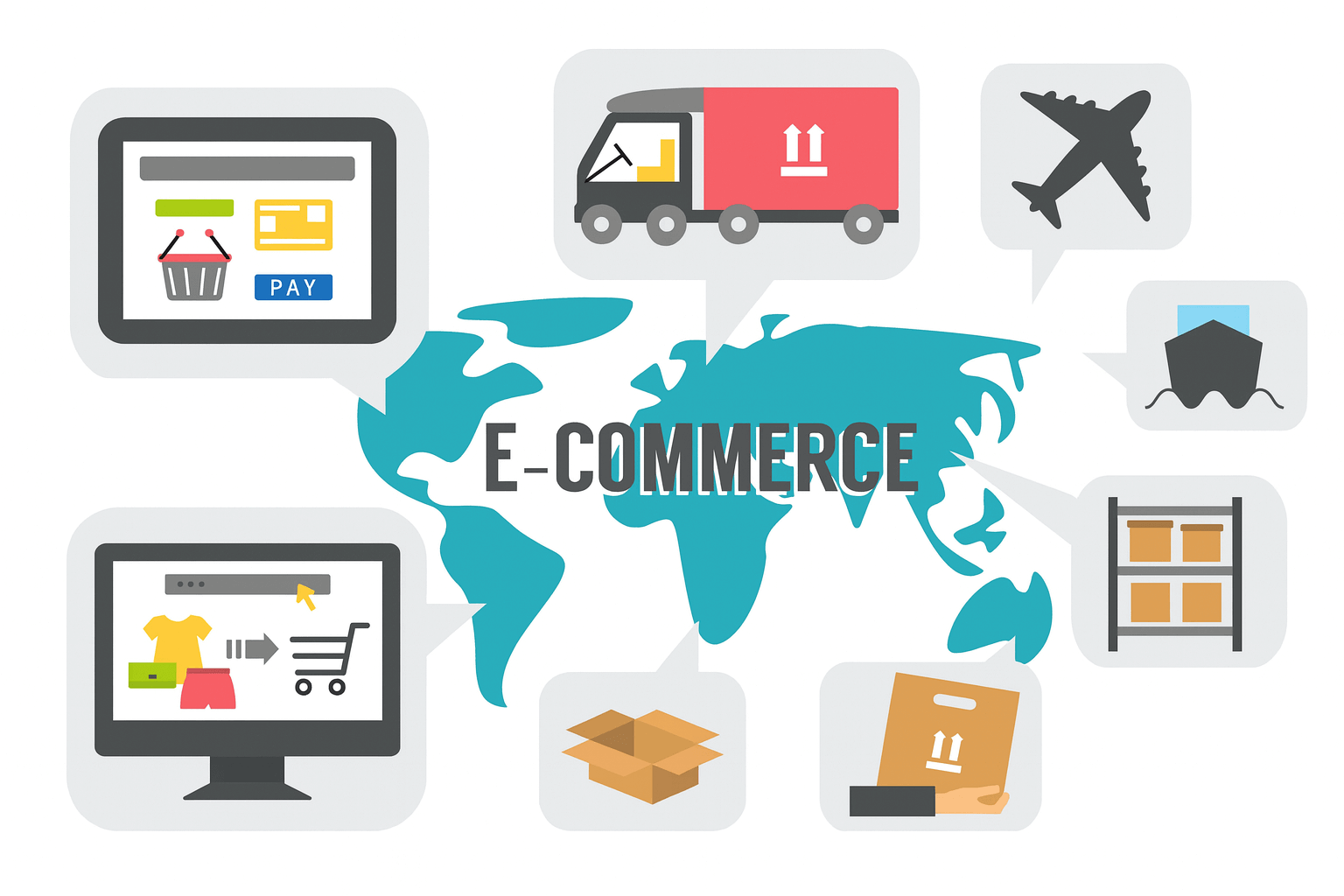
Ecommerce has transformed how customers shop and interact with brands. Buyers expect fast delivery, secure payments, and clear communication. For this reason, customer service within ecommerce is part of the entire experience, not just a support function.
When problems arise, customers expect immediate answers. Chat systems, return policies, and easy refund processes build trust. Technology makes these steps faster, but human service keeps them personal. Businesses that combine automation with authentic interaction create loyalty.
Retailers that provide strong ecommerce service often see higher retention rates. Shoppers return because they feel valued and supported. In markets filled with options, trust is the deciding factor. Reliable ecommerce engagement ensures customers continue choosing the same brand again and again.
This approach also builds reputations beyond individual transactions. Positive experiences lead to recommendations and reviews. These outcomes expand visibility and strengthen credibility. For companies competing online, ecommerce engagement becomes a driver of long-term growth.
Begin Your Next Chapter with Confidence
Your organization deserves more than standard solutions. Success comes from blending technology development with customer service that reflects real understanding. Every detail, from IT support to QA monitoring, shapes trust and performance. Growth also depends on strategies that balance lead generation with strong financial systems.
Now is the time to choose a partner who can align these elements with your goals. The right collaboration helps reduce risks, capture opportunities, and create stronger relationships. When your systems and your customer connections work together, every goal becomes more achievable.
Begin your next chapter today. Build strategies that combine innovation with care, and move forward with confidence that your business is ready for the future. Reach out and explore how expert guidance can create lasting impact for your brand.









 Industries rely on strong networks to thrive and to sustain growth across borders. Each sector is shaped by the way it communicates, collaborates, and connects with new opportunities. A world class base for contact is what allows these
  Innovation is the force that shapes modern contact excellence. As expectations continue to rise, companies must design systems that are faster, smarter, and more responsive. Innovation is not limited to advanced technology. It also means discovering new ways to connect with people and create experiences that matter.
 Global services play a vital role in sustaining long-term enterprise growth. Services that can adapt quickly to client requirements help businesses remain competitive in rapidly shifting markets. These
  Fintech is transforming financial services with innovative platforms and rapid transactions. As this industry grows, the demand for efficient and transparent debt collection strategies grows as well. Companies need to manage overdue balances while maintaining trust and regulatory compliance.
 Data-driven solutions shape the future of debt collection strategies. Predictive analytics, secure databases, and automated workflows support compliance across fintech and healthtech. Organizations use these tools to classify accounts, forecast repayment behavior, and identify risks.
 Partnerships make it easier to innovate. Companies can test new strategies, refine communication methods, and deploy advanced technology faster. This agility improves both customer experience and financial performance. It also frees internal teams to focus on core operations, knowing their collection processes are in capable hands.
 At the core of this initiative lies a wide set of
  A major advantage of the center is its role as an incubator for contact center innovation. Businesses test Ai routing, predictive coaching, and workforce optimization before rolling them out at scale. This ensures shorter wait times and higher resolution rates.
 Healthcare also benefits. In
  This is especially relevant for