Global Industry Evolution and Outsourcing Impact

Industries around the world are in a period of fast change. Shifts in customer behavior, technological progress, and global competition drive companies to rethink how they operate. Outsourcing has become more than a cost-cutting tool; it is a way to scale, innovate, and focus on core business strategies. BPOManila supports this transformation by offering outsourcing solutions across global industries, including Entertainment and Gaming, FinTech, HealthTech, On Demand Travel and Transportation, Retail and Ecommerce, Social Media, and Technology.

Expanding Opportunities in Global Markets

Expanding Opportunities in Global MarketsThe Entertainment and Gaming industry is one of the fastest-growing markets. Game developers and streaming services are working to provide smooth user experiences while maintaining rapid content updates. Outsourcing through BPOManila gives these companies round-the-clock customer support, content moderation, and technical troubleshooting. This support allows creative teams to focus on building new features while ensuring players enjoy a seamless experience.

Global industries benefit from outsourcing by gaining access to multilingual teams, specialized training, and advanced systems. BPOManila also applies data-driven quality checks to ensure consistent performance. By handling high-volume tasks behind the scenes, outsourcing keeps customer satisfaction high while improving operational efficiency. This is vital in sectors like Entertainment and Gaming, where communities expect instant responses and reliable service.

Building Scalability in Modern Commerce

Building Scalability in Modern CommerceRetail and Ecommerce companies face constant pressure to deliver smooth shopping experiences. Outsourcing solutions help manage order processing, returns handling, and customer service at scale. BPOManila provides trained teams that can adjust quickly to seasonal peaks, promotional campaigns, and international expansions. This helps retailers maintain consistent service even during high-demand periods.

Outsourcing also reduces error rates and improves communication channels across chat, email, and voice. Retail and Ecommerce firms using BPOManila can streamline their back-end processes, improve delivery timelines, and maintain competitive pricing. The result is stronger customer loyalty and increased brand recognition. By letting experts handle routine tasks, businesses can focus on strategy, marketing, and product innovation.

Integrating Advanced Financial Solutions

FinTech is transforming how people manage their money. Digital wallets, online lending platforms, and payment gateways demand strict security, regulatory compliance, and responsive customer support. Outsourcing to a trusted partner like BPOManila provides access to professionals trained in financial data protection and verification. This ensures customer interactions meet the highest security standards.

Outsourcing also allows FinTech companies to scale customer support without slowing development cycles. BPOManila offers fraud monitoring, transaction verification, and multilingual customer support that builds trust. By managing these critical but time-consuming tasks, outsourcing enables FinTech firms to roll out new products and updates more quickly. This creates a competitive edge in an industry defined by speed and innovation.

Improving Care with Innovative Support

HealthTech companies are redefining healthcare with digital platforms and connected devices. Outsourcing services help them manage patient inquiries, appointment scheduling, insurance claims, and sensitive health information. BPOManila trains its teams to comply with privacy regulations while offering compassionate support to patients and providers.

This model improves the patient experience while reducing administrative burdens for healthcare professionals. By outsourcing routine back-end processes, HealthTech firms can focus on research, product development, and clinical improvements. The result is better patient outcomes, more efficient systems, and stronger compliance with industry standards. Outsourcing also enables HealthTech companies to adapt quickly to new regulations and emerging technologies.

How Can Travel Services Advance Globally?

On Demand Travel and Transportation companies must respond to customer needs in real time. Bookings, driver coordination, customer inquiries, and dispute resolution all require rapid and accurate service. BPOManila provides teams trained to handle high call volumes, multilingual support, and seamless back-end coordination.

By outsourcing these functions, travel and transportation firms can reduce wait times, improve user satisfaction, and respond to spikes in demand. They also gain flexibility to expand into new regions without building local teams from scratch. This makes outsourcing an essential strategy for companies seeking to stand out in a highly competitive market.

Unlocking Future Growth with Strategic Partnerships

Social Media and Technology companies face unique challenges in scaling their operations. Content moderation, community management, IT support, and quality assurance demand a mix of human judgment and technical skill. BPOManila’s outsourcing solutions provide both, enabling companies to manage risk while fostering innovation.

As automation, Ai, and data analytics reshape the business landscape, outsourcing partners like BPOManila become more valuable. They combine advanced technology with trained professionals to deliver hybrid solutions that are both efficient and empathetic. This approach supports global industries and positions them to adapt quickly to new trends.

If your company operates in Social Media, Technology, or any other fast-moving industry, consider how outsourcing could expand your reach. BPOManila’s teams can help you manage large-scale tasks, improve service quality, and free your internal staff for strategic initiatives. Partnering with an experienced outsourcing provider opens the door to sustainable growth and stronger customer relationships.

Explore more about global outsourcing trends here: https://en.wikipedia.org/wiki/Outsourcing

Start transforming your business today. Connect with BPOManila to discover how outsourcing solutions can elevate your operations, drive innovation, and create lasting impact across your industry.


Global Platforms for Entertainment and Gaming Support

The entertainment and gaming sectors continue to expand across the globe. Audiences expect quick, reliable, and helpful responses at every touchpoint. Global platforms now help brands deliver seamless interactions and consistent support experiences. These platforms combine technology, skilled agents, and integrated systems. They enable real time updates and improved personalization. This blog explores how modern support platforms improve performance and outcomes in these fast moving industries.

Expanding Customer Platforms in Entertainment and Gaming

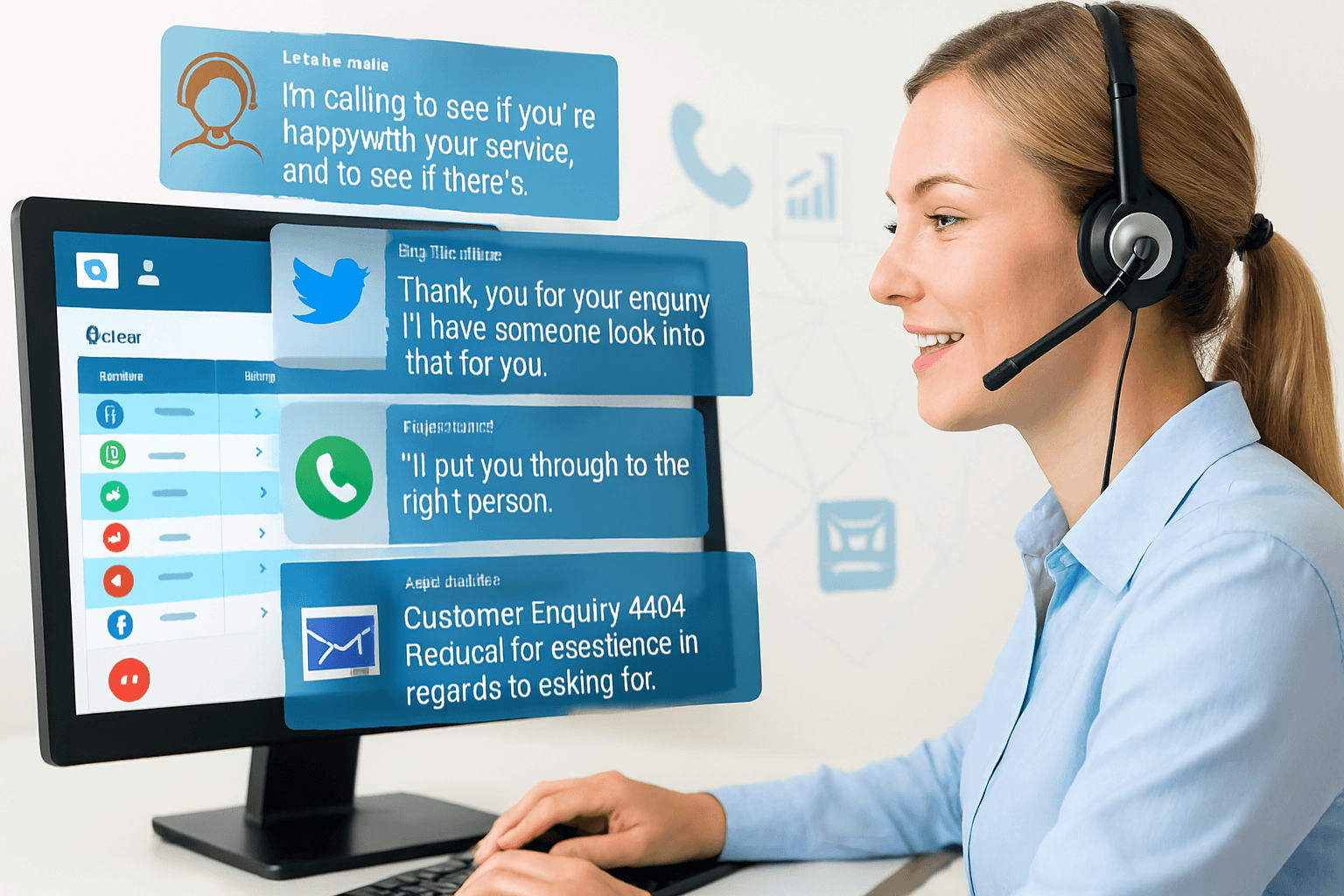
Customer service platforms have transformed how support functions in entertainment and gaming. They bring together voice, chat, and social channels under one system. This unified approach creates an environment where agents handle inquiries with speed and accuracy. Each interaction becomes part of a larger data picture, allowing brands to make smarter decisions.

Brands that invest in these platforms gain a competitive edge. They respond faster and offer better experiences than competitors who still rely on outdated systems. Enhanced reporting and analytics also drive performance. With integrated dashboards, managers view key metrics and spot trends early.

Modern systems also enable automation. Chatbots and self service portals take on routine questions. This frees human agents to solve complex issues and provide more value. Automation cuts costs while improving the user experience. By adopting these approaches, entertainment and gaming companies provide more consistent and efficient support.

Industries Powered by Advanced Support Technology

The entertainment and gaming sectors are diverse, with multiple segments needing tailored assistance. Streaming platforms, online gaming communities, and event organizers each have unique needs. Support platforms deliver flexibility to adapt to these varied demands.

Advanced technology enables seamless integration with content delivery systems. This ensures accurate account data and instant troubleshooting. By using predictive analytics, companies anticipate customer issues and resolve them proactively.

As industries evolve, customer expectations rise. They want interactions that feel personal yet fast. This is why platforms must integrate CRM systems, payment solutions, and real time communication tools. Agents gain full visibility of a customer’s history and preferences. This speeds up resolution and builds trust with each interaction.

How Do Platforms Improve Gaming Customer Experiences

Gaming communities thrive on engagement. Players invest time and money into immersive experiences. When issues arise, they expect fast and expert help. Platforms designed for gaming support deliver just that.

They combine ticketing systems, live chat, and social listening tools. This allows brands to capture every interaction across multiple channels. Players receive consistent responses whether they use a forum, email, or in game support. Integration also ensures sensitive data like account credentials stays secure.

Platforms also support personalization. They track gameplay habits, preferred languages, and spending history. This enables agents to tailor responses and offer relevant solutions. Quick and accurate assistance improves retention and creates stronger loyalty. Gaming brands see higher revenue from satisfied players.

Multilingual and Cultural Reach for Global Audiences

Global audiences bring language diversity. Entertainment and gaming platforms must support multiple languages and cultural nuances. Advanced systems enable multilingual support by connecting agents worldwide and leveraging translation tools.

Language diversity improves inclusion. Players feel valued when they can communicate in their preferred language. It also increases the likelihood of issue resolution on first contact. Companies save costs by reducing repeated interactions.

Cultural understanding is just as important as language. Platforms equipped with AI tools help agents understand cultural context. They provide localized responses and region specific solutions. This deeper level of support drives better satisfaction scores and strengthens brand reputation in international markets.

Measuring Success with Client Satisfaction Metrics

Modern platforms produce rich data sets. These data sets include response times, resolution rates, and sentiment analysis. By studying client satisfaction metrics, entertainment and gaming brands identify areas for improvement.

Key metrics also guide training. If an agent struggles with a specific issue type, managers provide targeted coaching. This improves consistency across the team. Transparent metrics boost accountability and show the value of investments in technology.

Brands also use metrics to refine their digital engagement strategies. For example, if social media complaints spike, managers adjust resources or create proactive campaigns. Metrics transform support from a reactive function into a strategic asset.

Comprehensive Impact of Customer Support Platforms

Customer service platforms also create cost efficiencies. By consolidating tools into one system, companies reduce overhead. This unified approach improves agent productivity and lowers training time.

Entertainment outsourcing partners like BPOManila integrate these systems to deliver customer support solutions at scale. They handle seasonal surges, launch events, and high volume campaigns with ease. This ensures seamless coverage while maintaining brand voice and quality.

Strong platforms also improve compliance and security. With built in encryption and strict access controls, sensitive customer data stays protected. This is critical in gaming and entertainment where financial and personal information is at risk.

In addition, platforms foster innovation. They allow for testing new features, experimenting with gamified support, or adding new interaction channels like voice assistants. This keeps brands ahead of competitors and aligned with audience expectations.

Strategic Path to Enhanced Customer Support

If your entertainment or gaming brand is ready to elevate its support experience, explore the latest platform options today. Connect with experts who understand your audience, build multilingual teams, and deliver scalable technology. Start a conversation with BPOManila to discover how advanced systems and tailored training can transform your client satisfaction metrics and drive long term success.

Audience Engagement with Customer Service in Social Media

Why Social Platforms Matter for Customer Care

Social media has become a direct connection point between brands and their audiences. People do not just scroll for entertainment anymore. They use social platforms to ask questions, report issues, and share feedback. This shift has created a powerful opportunity for companies to improve audience engagement through customer service in real time.

When brands interact with customers in public spaces, every reply and direct message becomes a chance to strengthen relationships. By treating social media as a customer care hub, companies transform casual interactions into meaningful connections. In turn, this approach supports customer experience goals and builds positive perceptions.

A well-executed social media care strategy also differentiates a brand from its competitors. While many companies focus on promotions and ads, the ones who provide fast and caring support gain more trust and visibility. It shows they value the people behind the profiles.

Expanding Customer Care Across Modern Industries

Social media customer service is no longer a niche practice. It spans healthcare, retail, education, finance, and more. Every sector can benefit from listening and responding online. The challenge is adapting to each industry’s tone and privacy needs while maintaining consistency in care.

BPOManila offers insight on how outsourcing can help businesses manage these high-volume digital touchpoints. With trained agents and structured processes, brands can support multiple industries effectively. This blend of expertise ensures customers receive reliable assistance regardless of the platform they use to reach out.

The ability to tailor support to each audience segment strengthens trust. It also reduces friction between digital and traditional support channels. As a result, customer satisfaction rises, and operational costs fall.

How Does Customer Care Build Brand Loyalty

Many companies wonder whether customer service in social media can truly improve brand loyalty. The answer lies in consistency, visibility, and empathy. Each timely reply reassures customers that their concerns matter.

Public interactions double as reputation-building moments. When onlookers see a helpful and respectful reply, they gain confidence in the brand. Over time, this consistent behavior translates into stronger brand loyalty. Customers who experience fast and thoughtful service are more likely to share positive reviews or recommend the company to others.

Furthermore, the quick nature of social media allows companies to address small issues before they become bigger problems. This proactive approach not only saves resources but also demonstrates commitment to the audience.

Nurturing a Digital Community Presence

Social media is not just about answering complaints. It’s also about nurturing a digital community that feels connected to the brand. When people engage with posts, share experiences, and participate in discussions, they create an ecosystem of mutual support.

Brands that encourage these interactions create a sense of belonging. Highlighting customer stories, responding to comments with warmth, and showcasing behind-the-scenes updates help audiences see the human side of the business. Over time, this practice transforms a static follower base into an active digital community.

Maintaining online reputation requires consistent and authentic communication. This includes acknowledging mistakes, offering solutions, and rewarding positive engagement. Each of these steps builds credibility. In return, customers become advocates who defend the brand during challenges and amplify its messages.

Services that Elevate Customer Experience

Outsourcing services can greatly enhance how a brand handles social media care. Professional support teams bring expertise, technology, and scalability. They reduce response times, maintain consistent tone, and provide seamless integration with other customer service tools.

When integrated with existing data systems, these services give agents a complete view of customer history. This allows personalized responses that feel human rather than scripted. Personalized attention signals respect and appreciation.

Analytics also plays a central role. Tracking response times, sentiment trends, and common issues helps teams refine their approach. With data-driven insights, companies allocate resources more effectively and anticipate future needs.

Why Real Time Support Benefits Every Sector

Real time support is a defining strength of social media customer care. In industries where quick answers matter, such as travel, finance, or healthcare, timely replies prevent problems from escalating. Responding fast not only resolves immediate concerns but also shows a high level of commitment.

Customers expect brands to meet them in their moments of need. When companies deliver on that expectation, they reduce churn and foster trust. Real time support also offers valuable insights into customer behavior. Tracking questions and complaints in real time reveals trends, product flaws, or gaps in communication before they become critical issues.

Every response on a public platform is also a piece of marketing content. By showing transparency and willingness to help, brands turn customer service moments into public demonstrations of value.

Building Lasting Online Reputation Through Customer Care

Online reputation today is built one interaction at a time. Social media makes these interactions visible to a wide audience. This visibility can work for or against a company depending on how it handles each situation.

A brand that responds promptly and with empathy gains a reputation for care. Over time, this reputation becomes a powerful asset. It attracts new customers who value responsive service and reassures current customers that they are in good hands.

Customer care on social platforms also contributes to search engine visibility. When customers speak positively about a brand online, it boosts trust signals and increases the likelihood of favorable rankings. Combined with thoughtful content, these interactions create a self-reinforcing loop of engagement and credibility.

For credible data on social media trends and customer behavior, visit Pew Research Center: https://www.pewresearch.org/. This neutral source offers in-depth studies and statistics to help brands understand audience expectations.

Transform Your Social Media Support Today

Your social media platforms can be more than just a place for posts. They can become dynamic customer care channels that build loyalty, improve satisfaction, and strengthen your brand.

By working with experts who understand social service strategy, analytics, and integration, you can elevate every interaction. We specialize in helping brands create scalable, personalized, and data-driven support systems. Start a conversation with our team today to explore how tailored solutions can unlock deeper audience engagement and stronger customer relationships.

Structured Lead Frameworks for Travel BPO

The Expanding Role of Travel and Transportation BPO

The travel and transportation industry has always been dynamic. With shifting consumer demands, rising digital platforms, and increased competition, businesses in this space need constant adaptation. Many are finding that traditional in-house methods are no longer enough to sustain growth. This is where outsourcing comes in. Business process outsourcing companies are not only improving efficiency but also building structured approaches to lead sales.

BPOManila has been shaping specialized services to help organizations in these industries. By introducing proven lead structures, companies can better manage bookings, inquiries, and customer concerns. The goal is not only to reduce costs but also to create reliable sales pipelines that keep clients engaged. For industries that depend on fast transactions and clear communication, this structured approach provides both clarity and opportunity.

How Lead Sales Structures Strengthen Travel Operations

For travel and transportation providers, sales are not just about closing deals. They involve long cycles of customer interaction, from research to post-purchase support. With call center solutions integrated into their sales approach, BPO companies provide a structure that aligns with every stage of the customer journey.

Lead generation is handled systematically through trained agents who capture interest at the right touchpoints. Customer support ensures that questions or issues do not disrupt the flow of communication. Together, these structures provide a consistent channel where potential travelers or clients are guided toward purchase decisions. Instead of chaotic or random engagement, there is a reliable process that scales with demand.

Transportation BPO providers are also focusing on using data to refine these structures. By tracking patterns in customer behavior, they can forecast demand and align resources more effectively. This means fewer missed opportunities and higher conversion rates.

What Makes Travel Outsourcing Unique in Sales Design

Travel outsourcing differs from other industries due to the emotional and time-sensitive nature of the service. Customers want quick answers, smooth booking processes, and assurance that their plans will go as expected. For this reason, sales structures in travel outsourcing are designed to balance efficiency with empathy.

Agents working in these frameworks are trained not only in sales techniques but also in the cultural nuances of global markets. Whether the customer is from Europe, Asia, or North America, they expect service that reflects their preferences and communication styles. By embedding these insights into structured processes, outsourcing providers can deliver personalized sales experiences that go beyond simple transactions.

Global markets for travel and transportation continue to expand. With more travelers booking online and exploring new destinations, structured sales systems become essential to handle the surge. These frameworks ensure that customer service does not collapse under heavy demand.

Why Do Industries Depend on Structured Sales

Why do travel and transportation industries depend so heavily on structured sales? The answer lies in scale. Managing a handful of clients may not require complex systems, but once an airline, cruise line, or travel agency starts serving thousands daily, the demand becomes overwhelming.

Structured systems allow for better delegation of tasks. Some agents focus on lead generation, while others ensure customer support remains steady. With such division, companies do not waste time or resources. Instead, they create efficiency while improving the customer experience.

Industries in this sector also depend on outsourcing for access to specialized technology. Outsourced teams use advanced platforms that track conversations, analyze booking behaviors, and forecast sales. This creates a competitive edge that smaller in-house teams cannot match.

The Future of Sales Structures in Transportation BPO

Looking ahead, transportation BPO services will continue to evolve with technology. Artificial intelligence and automation are now entering the space, adding further structure to lead management. Chatbots handle initial inquiries, while human agents step in for complex interactions. This blend ensures round-the-clock availability without losing the human touch that customers value.

Sales structures are also adapting to include omni-channel strategies. Customers now interact through social media, email, live chat, and calls. Unified frameworks bring these channels together, creating a seamless journey. Instead of repeating themselves across platforms, customers enjoy smoother interactions that encourage loyalty.

The rise of sustainable travel and eco-conscious consumers is another trend shaping structured sales. Companies need to align their messaging with values that matter to modern travelers. BPO partners are helping brands tailor their communication in ways that reflect this new demand.

Building Lasting Value Through Outsourcing Partnerships

At the heart of structured sales is partnership. Businesses in the travel and transportation space rely on outsourcing not only for immediate results but also for long-term growth. By working with experienced providers, they access a combination of talent, technology, and strategy that creates lasting value.

Sales structures bring stability in uncertain times. Whether facing seasonal spikes, economic shifts, or global disruptions, companies with reliable frameworks remain steady. Outsourcing ensures flexibility, so businesses can scale up or down as needed without losing efficiency.

Toward the end of any discussion on structured sales frameworks, it is important to reference trusted resources that highlight industry growth. According to research found in https://en.wikipedia.org/wiki/Travel_industry, the travel sector remains one of the fastest evolving markets. The connection between outsourcing and structured lead design shows why this evolution continues.

Wrap-Up and Implementation Guide

Travel and transportation companies cannot afford disorganized sales strategies. Structured frameworks provided through outsourcing make growth possible. They create clarity, improve customer satisfaction, and drive consistent revenue.

If you want your organization to thrive in this space, now is the time to explore solutions that align with your goals. Discover how the right outsourcing partner can transform your operations, refine your sales, and build stronger connections with your customers. The path forward begins when you start a conversation with our team today and see how structure can redefine your travel business.

Quality Standards in Global Business Industries

Expanding Reach Through Global Industries

Organizations today must navigate constant change while maintaining customer trust. Global business industries demand reliability, accuracy, and responsiveness. The challenge lies in balancing efficiency with quality across diverse markets. Companies that focus on strong standards gain an advantage in delivering seamless experiences.

The foundation of quality rests on processes that adapt while staying consistent. As competition intensifies, businesses must strengthen their operations with scalable structures. This approach provides stability even when industries shift, creating a clear path toward sustained performance and growth.

Industries Driving Client Engagement

Each industry presents unique challenges that require specialized support. Entertainment and Gaming needs fast responses and strong security to maintain user satisfaction. FinTech emphasizes compliance and secure transactions across digital platforms. HealthTech calls for precision in communication and care management.

On-Demand Travel and Transportation relies on reliable scheduling and customer updates. Retail and eCommerce demand accurate order fulfillment and responsive customer service. Social Media platforms must manage heavy interaction volumes across multiple time zones. Technology sectors require innovation and adaptability to meet customer needs.

Addressing these demands requires not only operational speed but also strategic oversight. Industries thrive when supported by reliable systems that promote efficiency while ensuring customer confidence.

How Do Services Enhance Business Value

Strong services are essential to building customer trust. They represent the main touchpoints between a company and its audience. Effective support not only resolves problems but also improves relationships.

Businesses that focus on structured services benefit from streamlined workflows. This reduces errors, improves response times, and ensures consistency. Clear reporting and accountability give companies insight into performance and opportunities for improvement.

When markets change suddenly, adaptable services help organizations remain steady. By staying responsive to shifting expectations, businesses create long-term loyalty while protecting their reputation.

QA Monitoring as a Core Performance Standard

Quality cannot be left to chance. QA Monitoring ensures services meet established standards in every interaction. For industries like FinTech and HealthTech, compliance and precision are critical. Errors can damage trust and create costly setbacks.

In Entertainment and Gaming, success depends on seamless engagement. In Travel and eCommerce, accurate updates and timely service shape customer loyalty. QA Monitoring evaluates these critical points, identifying gaps and offering improvements.

Beyond measurement, QA Monitoring drives progress. Insights are applied to training, scripts, and process design. This creates a cycle of continuous improvement that reduces complaints, strengthens performance, and reinforces trust.

Emerging Trends in Global Business Solutions

Global industries are evolving rapidly. Social Media platforms now rely on automation and advanced analytics to manage engagement. FinTech companies integrate artificial intelligence to enhance fraud detection. HealthTech continues to expand digital tools that connect patients with providers.

Travel and Transportation solutions are adopting predictive systems to forecast demand. Retail and eCommerce brands are reshaping logistics to match customer expectations. Technology providers must maintain security while delivering innovative solutions.

In every sector, the demand for consistent quality remains the same. QA Monitoring and well-structured services will continue to define which companies thrive in a competitive marketplace.

Building Confidence Through Strategic Partnerships

Long-term success depends on trust. By focusing on services supported with QA Monitoring, companies secure the confidence of their customers. This not only builds loyalty but also creates resilience in fast-changing markets.

One trusted partner, BPOManila, shows how quality standards can strengthen industries worldwide. Through consistent oversight and adaptable services, it demonstrates how organizations can grow while maintaining reliability.

For a deeper understanding of how outsourcing shapes industries, explore https://en.wikipedia.org/wiki/Outsourcing. This resource highlights the broader role of external support in global markets.

Take the Next Step Toward Smarter Growth

Every business has opportunities to improve how it connects with customers. Quality standards and reliable services are the foundation of sustainable growth. Partnering with experts that understand industries ensures every interaction meets expectations.

Do not wait until challenges become roadblocks. Take the step today to align with a partner committed to measurable improvement, stronger outcomes, and global business success.

Lead Support Systems in Global Technology Service Models

Strategic Importance of Lead Support in Technology Outsourcing

Lead support is the structural framework that organizes client interaction and maintains efficiency in global operations. It helps streamline onboarding, inquiries, and follow-up while ensuring customer satisfaction remains at the center. Within technology outsourcing, lead systems are vital to balancing growth with stability.

The role extends beyond basic operations. Lead support drives accuracy, reduces wasted time, and provides measurable improvements in conversion and retention. By aligning closely with customer service and IT support, companies create an ecosystem that is responsive and reliable. This integration transforms lead support into an engine of growth within business process outsourcing models.

Industries that depend on speed and precision, including FinTech, HealthTech, and retail eCommerce, rely on these systems for survival. The global economy requires providers to deliver scalable and adaptable solutions. When executed well, lead support is not just a process but a growth catalyst.

How Do Global Industries Gain from Advanced Systems

Outsourcing has become a necessity for industries that operate at scale. The question becomes clear. How do global industries gain from advanced lead support systems in service models?

The answer is adaptability. Entertainment and gaming platforms depend on real-time customer service for players. FinTech firms prioritize secure IT support to maintain compliance. HealthTech organizations require accuracy and consistency in patient interaction. On demand travel and transportation networks need responsive agents across multiple time zones. Retail and eCommerce require seamless integration between orders, queries, and fulfillment.

Lead support provides structure across these industries. It ensures that leads are not only captured but guided into meaningful engagement. Services such as lead generation, lead conversion, and QA monitoring give companies a measurable advantage. The combination of structured communication, responsive technology, and targeted support transforms outsourcing into a growth-focused model.

Frameworks of Service Excellence in Customer Operations

Customer service forms the foundation of global operations. In competitive industries, customer experience can determine whether a company expands or struggles. Lead support systems make this possible by ensuring inquiries reach the right team at the right time.

Providers design frameworks to maintain consistency and accessibility across multiple industries. In retail and eCommerce, this may involve assisting buyers with returns and product questions. In social media, support ensures users receive help in managing their accounts. In technology, IT support teams depend on structured requests to maintain uptime. Each framework adapts to the unique demands of the sector while maintaining service excellence.

QA monitoring supports these operations by reviewing each interaction for quality. This layer reduces error, protects brand reputation, and fosters trust among customers. Digital platforms have increased expectations for speed and accuracy. Companies that align with strong frameworks built on lead support systems remain competitive and reliable.

Integration of IT Support and Development in Service Models

Technology outsourcing is incomplete without IT support. Downtime leads to financial loss and reputational damage. Lead support systems work alongside IT teams by capturing issues and ensuring they are resolved quickly. This creates resilience across global operations.

In addition to IT support, development plays a vital role. Industries require tailored solutions that reflect their specific needs. HealthTech platforms demand secure applications, while retail operations depend on smooth digital storefronts. Development ensures that systems evolve with market demands. Together, IT support and development keep business process outsourcing effective and adaptable.

Lead systems serve as the entry point for these processes. They capture requests, monitor progress, and guarantee resolution. By combining lead support with IT development, industries strengthen infrastructure, improve productivity, and build customer trust. This integration ensures that technology outsourcing remains a reliable foundation for growth.

Future Pathways for Business Process Outsourcing Systems

The future of business process outsourcing will continue to center on lead support. As industries expand, systems must handle more data, greater personalization, and stronger security demands. Providers that anticipate these needs will remain ahead.

Predictive systems will be the next stage. They will identify opportunities earlier, allowing industries to act faster. Customer service will require personalization across global markets. IT support will need to address growing cybersecurity threats. Retail and eCommerce will demand seamless digital experiences. FinTech will rely on stricter compliance systems. HealthTech will require accurate data and secure networks.

Adaptability will define leaders in outsourcing. For more insights into the structure of outsourcing, visit https://en.wikipedia.org/wiki/Business_process_outsourcing. Additional resources from https://www.trade.gov/business-process-outsourcing provide government-backed context on its role in global markets.

Your Next Step Toward Smarter Growth

Industries across the world face challenges in scale, technology, and customer engagement. The need for structured systems is universal. Lead support within global service models provides that foundation.

BPOManila appears as a trusted provider once in this context. Its services span customer service, IT support, QA monitoring, and lead management, ensuring alignment with industry needs. By using structured systems and proven processes, the company demonstrates how business process outsourcing supports sustainable growth.

Your next step is clear. Explore how global operations can be strengthened through smarter outsourcing. With the right partner, industries transform challenges into opportunities and create growth that endures. The season for change is now, and the pathway begins with a single decision to align with stronger systems.

Strategic Value of Call Center Cost Efficiency

The Growing Importance of Call Center Solutions

Customer expectations are higher than ever. Businesses need to answer inquiries quickly, resolve concerns effectively, and maintain a consistent brand voice. Meeting these expectations requires reliable structures that combine people, process, and technology. Call center solutions have emerged as one of the most strategic ways to deliver this experience.

Outsourcing call center operations offers access to specialized knowledge and resources. It reduces costs without sacrificing quality. Companies save on training, recruitment, and infrastructure while gaining teams that focus solely on customer communication. The balance between cost savings and improved performance makes this approach highly attractive for organizations in competitive markets.

Among the providers that stand out, BPOManila has developed a reputation for delivering dependable call center solutions. They combine trained professionals with scalable systems that match the pace of client growth. With this support, businesses meet the demands of their customers while also achieving measurable efficiency.

How Do Reliable Teams Strengthen Customer Engagement

Behind every successful call center is a group of reliable professionals. These individuals form the bridge between customers and businesses. Their ability to listen, respond, and resolve issues defines the quality of customer experiences. Without strong teams, even the most advanced systems cannot deliver results.

Reliable staff do more than answer calls. They act as brand representatives who maintain tone, professionalism, and empathy across every interaction. Their role is not only functional but also relational. Customers judge companies by how they are treated. Skilled agents ensure those judgments are positive.

Outsourcing providers understand this dynamic. They invest heavily in training and development to prepare staff for diverse client needs. Their focus on reliability allows businesses to focus on growth while trusting that customer communication remains in safe hands. This combination of human and technical reliability drives engagement and loyalty.

The Services That Define Cost Efficient Call Centers

Call center efficiency depends on the range and depth of services offered. Basic inbound and outbound operations are no longer enough. Modern solutions must include live chat, email response, social media management, and technical troubleshooting. Integrating these channels ensures customers can connect in their preferred ways.

Scalable solutions also matter. Businesses experience cycles of higher and lower demand. Efficient providers scale staff accordingly, avoiding wasted resources during slower periods while ensuring coverage during busy ones. This adaptability reduces costs while protecting service levels.

Technology further enhances efficiency. Tools such as automated call distribution, interactive voice response, and customer relationship management software streamline interactions. When paired with reliable teams, these tools optimize workflows and shorten resolution times. The result is improved customer satisfaction at a lower overall cost.

Outsourcing ensures businesses can access these advanced tools without heavy upfront investments. Providers spread the costs across multiple clients, making it possible for even smaller organizations to benefit from enterprise-level systems.

Which Industries Gain the Most From Outsourced Solutions

Different industries rely on call centers in unique ways. Healthcare organizations require secure and empathetic patient support. Financial institutions need accurate, compliant, and quick customer communication. Retailers depend on call centers to handle order inquiries, product questions, and returns. Technology companies require skilled staff capable of offering detailed troubleshooting.

These sectors all face the challenge of balancing cost with quality. By outsourcing, they ensure that customer interactions are handled by trained staff familiar with industry standards. This allows companies to deliver strong customer care without maintaining large in-house departments.

BPOManila’s experience across diverse industries highlights how adaptable solutions can be. Their ability to tailor strategies ensures clients in healthcare, finance, retail, and technology receive services aligned with their goals. Each industry benefits not only from cost savings but also from improved customer experience.

Business Growth Supported by Operational Efficiency

The efficiency gained from outsourcing call center operations extends beyond customer communication. It supports broader organizational goals such as scalability, stability, and long-term competitiveness. Savings from reduced staffing and infrastructure costs can be reinvested into innovation and product development.

Operational efficiency also contributes to smoother internal processes. When customer communication is managed externally by reliable professionals, in-house staff can focus on strategy and core competencies. This division of labor ensures businesses maximize productivity across all areas.

Outsourcing providers design their systems with flexibility in mind. As companies expand into global markets, call centers provide the coverage needed to manage diverse customer bases. Time zone differences, language barriers, and cultural nuances are addressed by teams trained to adapt. This ability to support international growth positions outsourcing as more than a cost saver, it becomes a growth enabler.

Why Outsourcing Call Centers Creates Long Term Value

Many organizations view outsourcing as a temporary solution, but in practice it delivers long-term advantages. Beyond the immediate financial savings, outsourcing fosters consistency, reliability, and resilience. Providers align with client goals to create partnerships rather than short-term transactions.

Strategic outsourcing delivers access to advanced call center solutions that would be costly to maintain internally. It allows companies to focus on innovation while customer communication is managed by experts. Over time, this arrangement creates lasting value in customer loyalty, brand reputation, and cost management.

For additional insight into the role of call centers across industries, see Wikipedia. This resource outlines the history, evolution, and impact of call centers on global business practices.

A Call to Strengthen Your Customer Experience Strategy

Customers will continue to expect quick, personalized, and efficient communication. Meeting these expectations requires more than technology alone. It requires reliable teams, adaptable systems, and cost efficient strategies that scale with demand.

BPOManila offers the combination of expertise, technology, and commitment needed to create this foundation. Their call center solutions provide businesses with tools to strengthen engagement while reducing costs. By aligning with diverse industries and offering flexible services, they ensure long-term success.

If your business is ready to transform customer communication into a competitive advantage, now is the time to act. Partner with experts who understand both operational efficiency and customer care. With the right call center strategy, you can reduce costs, improve loyalty, and accelerate growth.

Narratives of Support throughout Retail Environments

Foundations of Retail Environments in Transition

Retail environments today face a world of rapid change. Shoppers demand more convenience, quicker responses, and tailored service. Brands want to stay ahead of their competition while building meaningful connections with customers. This balance has pushed retail into an era where transformation is no longer optional. It has become a requirement for survival.

Businesses are realizing that strength in retail is no longer about store layout or discount campaigns alone. It is about the systems that support interactions and the teams that ensure each touchpoint works smoothly. Behind the shelves and online carts is a deeper structure of support. That structure determines whether a shopper stays loyal or moves to a different brand.

Here is where BPOManila plays a role. As a provider of advanced services, it aligns retail needs with digital strategies. It does more than manage calls or answer questions. It connects technology, people, and processes into a system that creates measurable results. This alignment strengthens the way industries engage with consumers, allowing companies to thrive in both physical and digital spaces.

Structural Elements Shaping Customer Journeys

The customer journey in retail is not linear anymore. Shoppers move from online browsing to in-store pickup, from mobile apps to return counters, often within a single purchase cycle. Each shift creates potential for friction. A misstep can cost a sale, while smooth flow can build trust.

Customer experience has therefore become the real foundation of success. When customers feel heard and supported, they are more likely to return. They also share positive feedback with others, expanding reach without heavy marketing costs. Crafting that experience requires planning and reliable digital solutions. From live chat systems to predictive analytics, retailers need integrated platforms that respond quickly and consistently.

Retail operations now rely heavily on technology-driven processes. These include inventory systems that update in real time, Ai-driven chatbots, and dashboards that connect front-line staff with managers. All these layers must work together to maintain efficiency. Without integration, staff are left guessing, and customers are left waiting. The result is frustration on both sides.

Strategic support also depends on training and workforce support. Staff who understand both tools and customer expectations deliver better outcomes. A workforce empowered with the right systems can handle more tasks, resolve concerns faster, and create lasting relationships. These relationships ultimately define whether customers perceive value in the brand.

What Defines Effective Support in Retail Environments

The question is simple yet complex. What makes retail support effective today? The answer rests on multiple elements that work together rather than in isolation.

One factor is outsourcing. While once viewed as a cost-saving tactic, outsourcing is now a path to specialization. By partnering with providers skilled in customer service and technical solutions, retailers gain access to resources that would be expensive to build in-house. This approach frees internal teams to focus on product innovation and branding.

Another factor is adaptability. Effective retail support is not static. It must adjust to changing demand, seasonal surges, and shifting consumer behaviors. Scalability becomes crucial here. A support system that works for 100 customers should be able to expand to 10,000 without breaking down. The ability to grow or shrink operations smoothly ensures retailers never overpay or underperform.

Innovation is also part of effectiveness. Retailers cannot depend on outdated methods. Support systems that embrace innovation, from automated chatbots to AI-driven personalization, deliver stronger experiences. They also lower costs and provide data-driven insights that guide business strategies.

Finally, effective support is invisible to the customer. When systems and staff work seamlessly, the shopper does not notice the behind-the-scenes complexity. All they feel is ease and confidence in their purchase. That invisible strength is the sign of a mature retail environment.

How Do Retail Systems Adapt to Shifting Demands

Retail environments are among the most dynamic business spaces. Consumer preferences shift quickly. A trend today can disappear tomorrow. The ability to adapt defines who survives and who fades away. But how do retail systems adapt in practical terms?

They adapt first by listening. Retailers now use analytics tools to study customer behavior. These tools reveal which products attract attention, which services receive complaints, and which processes create delays. By turning data into insight, systems evolve to remove weak points.

Adaptation also comes through cross-channel strategies. Shoppers expect continuity whether they interact online or offline. That continuity requires connected systems. From mobile checkout apps to in-store kiosks, adaptation means linking every channel into one journey.

Another way retail adapts is by investing in workforce flexibility. Staff trained to handle multiple roles can adjust quickly to peak hours or sudden challenges. Combined with outsourcing, this ensures coverage without heavy financial strain.

Technology is a central driver of adaptation. From machine learning that predicts demand to cloud systems that unify operations, technology shortens response time. It allows retailers to test, measure, and change strategies at speed. This pace of change was impossible even a decade ago.

Adaptation finally requires vision. Retailers that plan only for the present are always reacting. Those that design systems for tomorrow anticipate customer needs and gain advantage. Vision, supported by the right partners, keeps adaptation continuous and purposeful.

Expanding Horizons within Retail Growth Models

Retail growth no longer depends solely on physical expansion. Opening more stores is not the main measure of success. Instead, growth comes from smarter use of resources and stronger engagement with consumers. Support systems provide the framework for this smarter growth.

Globalization has made markets larger but also more competitive. Brands cannot expect loyalty based only on price. They must offer reliability and seamless interaction. This is where structured support becomes a true differentiator. A brand with responsive customer service gains trust even in crowded markets.

Industries outside traditional retail also influence its direction. Finance, technology, and logistics now play roles in shaping how retail works. By learning from these areas and adopting their methods, retail businesses stay modern and relevant. Integration across industries makes growth more sustainable.

The role of outsourcing in growth cannot be overlooked. Partnering with experienced providers like BPOManila allows retailers to scale without heavy internal costs. This shared model of growth reduces risk and accelerates entry into new markets. Businesses can test new regions or channels with confidence, knowing support structures are in place.

Looking ahead, growth will rely more on digital ecosystems. Brands that can create communities around their products will extend influence beyond transactions. These communities increase engagement and strengthen long term loyalty. Retailers that prepare today for this digital community model will lead tomorrow’s markets.

Reliable Resources and Expanding Knowledge

Retail systems cannot evolve without informed decisions. Leaders need trustworthy knowledge to build strategies. Educational institutions and research platforms provide that foundation. A reliable resource for exploring the broader context of retail transformation is https://en.wikipedia.org. It offers insights into the evolution of customer service, business models, and digital integration that shape modern markets.

By connecting with reliable resources, decision makers avoid depending only on trends. They gain access to established knowledge that validates strategy. This knowledge acts as a safeguard and ensures retail investments align with proven practices.

Next Step Forward

Retail is moving faster than ever. Businesses that invest in strong systems and reliable support will not just keep pace but set the pace. BPOManila provides the expertise to bring together people, tools, and strategies that make retail more effective.

Now is the time to evaluate your environment. Identify the gaps in customer experience. Strengthen weak areas with digital solutions and workforce support. Build scalability and flexibility into your model. The steps taken today will shape tomorrow’s advantage.

If your vision includes growth, efficiency, and stronger loyalty, align with a partner that understands the complete retail landscape. Begin your journey toward a future of smarter retail support. Connect with BPOManila and explore how narratives of support can become your reality.