

By Rowie
Where Good Interest Goes After the First Click
First Touch Meaningful Pathways of Digital Curiosity
Every digital experience begins with a moment of curiosity. Someone reaches a page, scans the message, and decides whether to stay. Where Good Interest Goes After the First Click becomes the central question guiding every part of early engagement. Although many people expect immediate answers, they also want a sense of direction. Because of this, the first few moments shape the entire path. Clear elements, soft cues, and simple structure help visitors adjust. They feel more at ease when information flows naturally, so each first impression matters.
During this stage, attention can shift quickly. However, interest grows when the environment feels warm and balanced. People appreciate pages that avoid noise and offer clear signals. Even small visual moves help. When a layout feels familiar, they explore without hesitation. This smooth start prepares them for deeper interaction. Many brands try to impress with heavy details, yet lighter framing often produces better reactions.
Although digital spaces move fast, users still need time to breathe. Short paragraphs help them absorb ideas without strain. When the tone stays calm, curiosity becomes stronger. People want to understand what comes next before deciding anything. Additionally, they rely on trust marks and simple language. Because attention feels fragile during early exploration, brands must support users with confidence-building markers.
Since some industries require more care, the path must remain steady. For instance, FinTech audiences prefer clear visuals and straightforward guidance. They look for real value. When the message feels honest, they move forward. These early steps define the quality of the entire journey.
When people understand the purpose behind the first click, their interest deepens. However, interest continues growing only when the next steps feel meaningful.
Intent Trails Under Digital Decision Journeys
Every action online leaves a pattern. These trails show how people react to structure, tone, and timing. Where Good Interest Goes After the First Click depends on how digital systems guide these trails with intention. As users move across sections, they look for reassurance. Therefore, gentle pacing becomes important. It helps maintain comfort. When each next step appears at the right moment, people feel more secure exploring further.
Visitors also behave differently depending on their goals. Some compare, some browse casually, and others move with purpose. Because of these differences, pages must remain flexible. They should adapt to multiple types of decision-making without overwhelming users. When information spreads in clear layers, interest continues growing. It does not fade under pressure.
Many journeys benefit from smart internal processes. Even background systems such as Call Distribution affect the quality of support during a digital experience. When the right resource connects with the right person, users feel valued. They appreciate helpful systems, even when those systems work behind the scenes. Smooth operations create smoother journeys.
Although the online path looks simple on the surface, people often evaluate multiple factors at once. They notice how fast a page loads, how easy it is to read, and how natural the flow feels. Because of this, brands must remove distractions. They must offer intent-driven design that supports long-term interest.
As trails continue, people form emotional impressions. These impressions impact future decisions. Clear purpose keeps visitors on the right track. When brands support the details, the journey becomes more enjoyable, and interest increases at every step.
Value Signals Across Authentic Experience Moments

Interest expands when users feel the value behind each moment. Where Good Interest Goes After the First Click becomes clearer when each interaction shows purpose. People respond to signals that respect their time. When pages offer clarity, users feel safer exploring. They appreciate when information stays simple and meaningful. Because of this, brands must highlight what matters most.
Real value appears through connection. When communication feels human, trust grows. Even digital environments can build real warmth through thoughtful design. Brands also show value by offering support that feels immediate. This creates comfort. In many cases, strong systems like Customer Service help maintain this stability. They provide direction when visitors need answers.
Other industries benefit from emotional clarity. For example, people in Retail + eCommerce expect smooth interactions, especially during product evaluation. They want fast details and flexible guidance. Value signals help them feel confident during comparison. When messages stay clear, hesitation fades.
Tracking internal quality also helps. Teams often use tools that reflect conversation accuracy, such as Call Notes for recording key details. While users do not see these tools, they still feel the effects. Accuracy improves trust. Clean communication improves confidence. Everything aligns.
Furthermore, emotional tone shapes how visitors interpret value. When pages avoid complex words and long sentences, readers stay engaged. Short paragraphs help them keep pace. Because interest strengthens through clarity, each value signal must feel intentional. The more comfortable people become, the longer they stay. When they stay longer, the relationship deepens. This leads to richer outcomes.
Momentum Growth Inside High Intent Micro Decisions
Momentum grows through many small choices. These choices guide the flow of interest. Where Good Interest Goes After the First Click becomes visible through micro decisions that happen within seconds. People might click a detail, scan a review, or return to a section. Each action adds energy. Support must remain consistent.
A steady flow reduces friction. Brands help users move forward by offering logical paths. When the design keeps transitions soft, people feel empowered. Even minimal guidance shapes micro decisions. Although visitors do not always notice these details, the effects remain significant.
Better momentum also emerges from operational support. Tools like Technical Support keep environments stable. When systems run smoothly, users experience fewer interruptions. Fewer interruptions mean stronger engagement. Additionally, thoughtful follow-up options can extend momentum further. A well-timed Callback can support users who prefer direct answers. These small additions help maintain interest when doubt appears.
Some journeys also benefit from specialized skills. Businesses focused on efficiency rely on strategies such as Lead Conversion to support deepening interest. When these strategies align with user goals, progress feels natural. Every tiny moment contributes to a larger story.
Internal teams also rely on structural direction, such as the organization provided by a Call Center to keep user flow consistent. Stable communication environments reduce confusion. Because confusion slows momentum, clear systems protect it.
As momentum builds, interest becomes more resilient. People start forming emotional comfort with the brand. They begin trusting each step. This comfort becomes the core of long-term engagement. It guides the user toward the final stage of the journey.
Clear Direction Toward Next Steps and Lasting Brand Trust
As visitors approach the end of their journey, they seek clarity. Where Good Interest Goes After the First Click ultimately leads toward understanding, confidence, and trust. People want clear next steps. They want reassurance that their time has value. Therefore, brands must provide direction without pressure. This helps users feel capable and supported.
Long-term trust grows when experiences stay consistent. Even after users complete their action, communication should continue with purpose. When brands follow up thoughtfully, people return. Their curiosity becomes loyalty. Loyalty becomes advocacy.
Sometimes, behind-the-scenes systems like updates from BPOManila help maintain this continuity. These systems ensure that each user receives steady, accurate support. When the same quality repeats across interactions, trust becomes strong.
Visitors appreciate simple messages at the final stage. They want to know what to do next without guessing. When brands reduce uncertainty, users stay connected. This connection shapes long-lasting relationships that extend far beyond the first click.
Ready to guide your audience toward meaningful digital pathways? Let’s shape where good interest goes after the first click and build experiences that inspire long-term trust and confident engagement.



 Financial recovery looks different for every person. However, the need for dignity remains the same. People want fairness even when they owe money. They want space to explain. They want clarity about the next move. When companies offer this space, the tone shifts instantly.
 Recovery moves smoother when structures look simple. People want steps that feel doable. They want instructions that make sense. When companies remove unnecessary layers, customers follow the plan easily. Simplicity brings clarity. Clarity builds trust.
 Every journey benefits from encouragement. When customers feel supported during sensitive moments, they stay committed. They remember the brand for its fairness. They speak positively about the experience. They maintain bridges instead of breaking them.
 A
 This subheading reflects the required focus keyword and supports the main goal of the blog. Strong delivery depends on simple moves. When the team applies smaller steps, larger changes appear over time. The most effective shifts start with communication. A clear flow of information supports the day’s momentum.
 Loyal people stay when they feel supported well. A steady presence helps them trust the brand. When customers sense calm, they react with patience. They offer better feedback. They stay longer and tell others about the value they feel.
 Presence people can trust
 Another part of real time excellence is expectation setting. Many teams try to sound confident by promising quick results, yet the smartest teams promise only what they can deliver. They give time windows instead of exact minutes. They describe the next step before ending the chat. They send a recap note so the user does not have to remember details. Because of that, users feel in control even when the answer takes time.
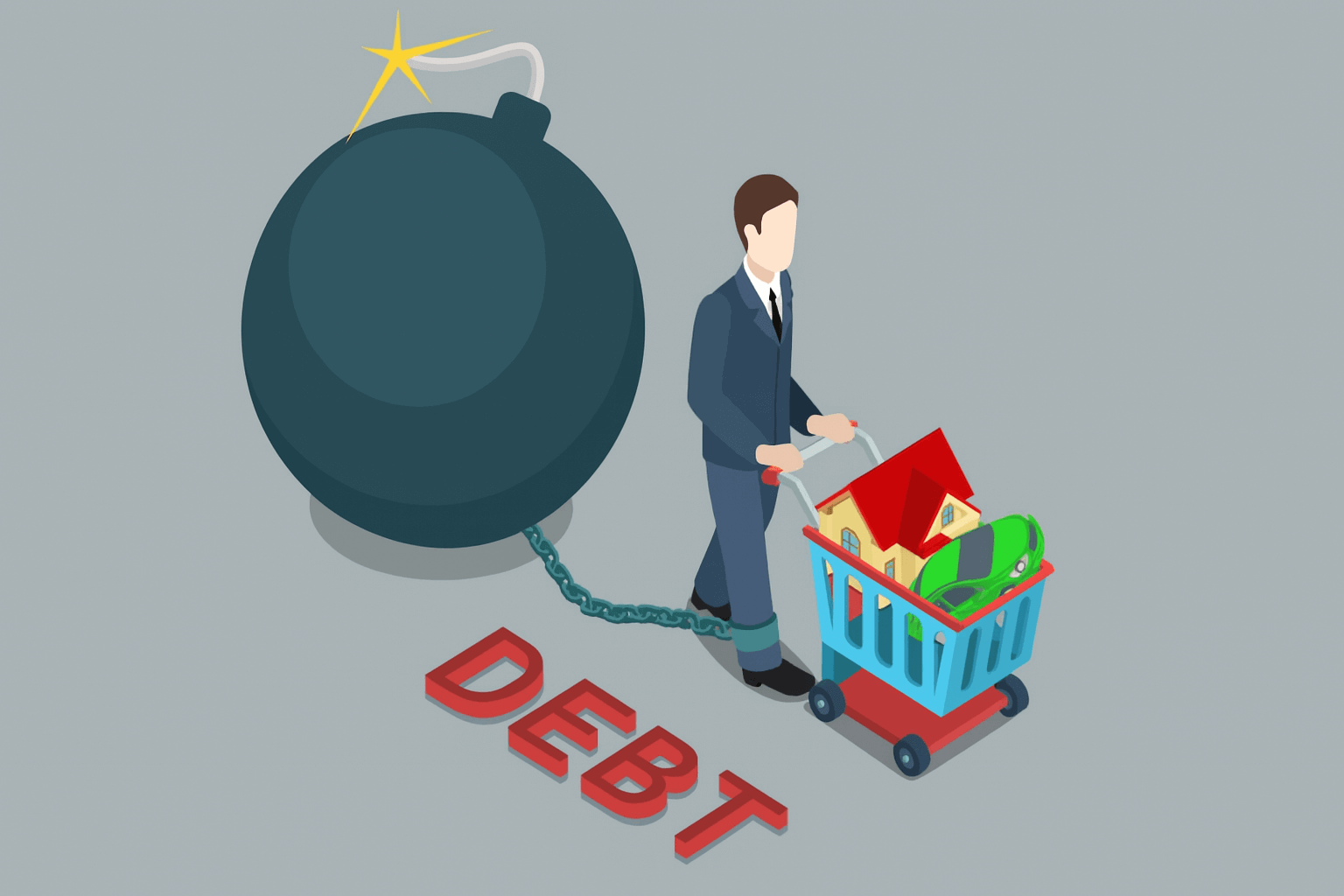 Support also needs to cover the hard edge cases. Some calls are about refunds and delays, but others are about money owed or broken agreements.
 A clean journey starts with signals. Where did the visitor come from? What did they search for? What problem were they trying to solve? When those signals guide what they see next, the experience feels tailored even when it is automated. That is how
 In
 Behind every smooth path is a set of systems that make it possible. These systems do not replace people. They free people to do their best work. The right tools route leads clearly, surface context instantly, and reduce repetitive tasks.

 Some sectors require more advanced support systems due to their fast growth and strict expectations. These sectors often rely on steady accuracy and high-quality communication. Because they operate with sensitive information, the systems behind them must stay reliable under pressure. Precision, clarity, and coordination become essential.
 Companies know that clearer paths improve trust. They also know that smooth communication reduces confusion. This is why many leaders now refine their support systems before they expand. Strong support reduces friction and helps customers return with confidence. This builds momentum that carries across the entire organization. It also creates more room for new ideas and more room for new solutions.
 Many online journeys depend on several layers of support. People experience the front end first. Yet the back end shapes the quality of that experience. This is why many teams invest in systems that stay stable even during busy periods. Customers reward brands that remain consistent. They want fast support, and they want clear communication.
 Growth also requires internal alignment. Teams must communicate well with one another. They must understand how their work connects to the overall journey. Clarity helps reduce friction and supports faster progress. Many leaders now focus on strengthening these internal paths before scaling outward.