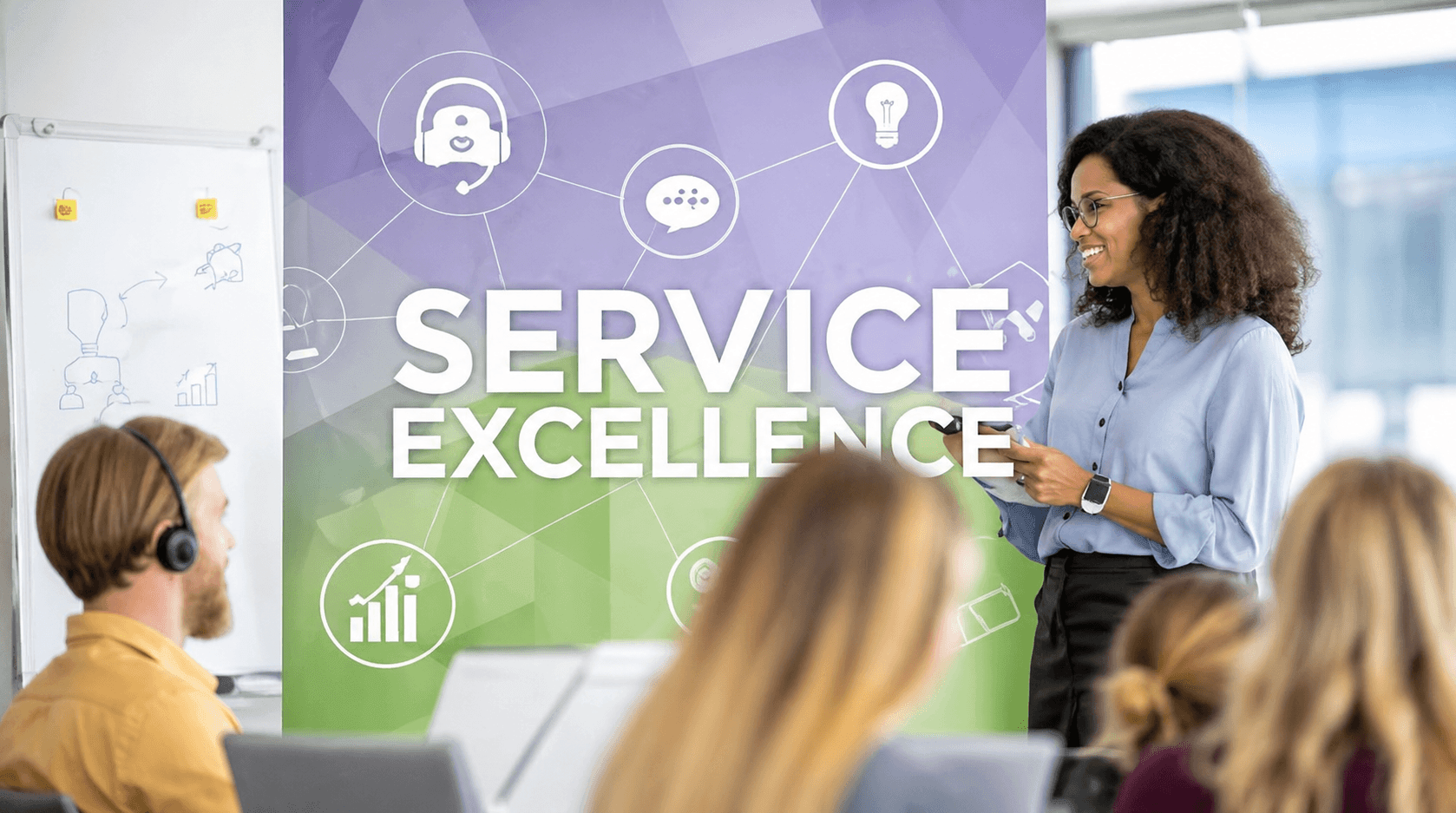

How Technology Continues to Transform Customer Service

Modern customer expectations and evolving service demands

Customer expectations continue to rise across every touchpoint. People expect quick answers, clear communication, and smooth interactions. Because of this shift, businesses must rethink how they approach customer support. Technology now plays a central role in meeting these expectations.

BPOManila supports organizations by aligning services with changing customer needs. Instead of relying on traditional methods, companies now adopt digital solutions that improve response time and accuracy. This change helps reduce delays while improving satisfaction.

At the same time, customers expect consistency. They want the same experience whether they reach out through chat, email, or phone. Therefore, businesses must ensure that communication remains unified across channels. When systems connect properly, teams can deliver reliable responses.

Moreover, flexibility has become essential. Customer demands vary throughout the day, so support must remain available. Technology allows teams to manage this demand without losing efficiency. As a result, businesses can handle higher volumes while maintaining quality.

In addition, customer feedback plays a major role. It provides insights into what works and what needs improvement. When companies use this data effectively, they can refine their approach and improve outcomes.

Overall, modern customer expectations continue to shape how businesses operate. Technology provides the tools needed to meet these demands while improving efficiency and engagement.

Diverse market sectors and shifting customer expectations now

Different industries face unique challenges in customer service. However, the need for fast and reliable support remains consistent. Businesses must adjust their strategies based on their specific environment.

Retail and e-commerce, for example, require quick response times. Customers expect updates on orders, returns, and availability. Because of this, companies must maintain accurate and timely communication. Without it, customer trust can decline.

On the other hand, technology-driven sectors require more detailed support. Customers often need assistance with systems or platforms. Therefore, support teams must be prepared to handle complex inquiries. This requires both knowledge and adaptability.

Healthcare-related services also demand careful communication. Accuracy becomes critical, especially when handling sensitive information. Teams must ensure that every interaction is handled with care.

Furthermore, financial services require secure and precise communication. Customers expect clarity and confidentiality. Businesses must balance speed with accuracy to maintain trust.

Despite these differences, a common goal remains. Every industry aims to provide consistent and reliable support. Technology helps achieve this by connecting systems and improving communication.

As industries continue to evolve, businesses must stay adaptable. Those that invest in flexible solutions can meet changing demands more effectively. This creates stronger relationships with customers.

Digital tools shaping consistent customer engagement today

Technology continues to improve how businesses interact with customers. Digital tools allow teams to respond faster and manage interactions more efficiently. These tools also improve consistency across different channels.

One key advancement is omnichannel support. This approach allows customers to move between platforms without repeating information. It creates a smoother experience and reduces frustration. As a result, engagement improves.

Another important factor is automation. Automated service tools help manage repetitive tasks. This allows teams to focus on more complex interactions. It also reduces errors and improves efficiency.

Real-time communication also plays a role. With real time support systems, customers receive immediate assistance. This reduces wait times and improves satisfaction. It also helps businesses resolve issues quickly.

In addition, digital customer experience tools provide insights into customer behavior. Businesses can track interactions and identify patterns. This information helps refine strategies and improve service quality.

Outsourcing has also become a practical solution. Many companies rely on customer support outsourcing to handle high volumes. This ensures consistent performance without increasing internal workload.

Moreover, customer engagement solutions help maintain ongoing communication. They allow businesses to stay connected with customers beyond initial interactions. This strengthens relationships and encourages loyalty.

Technology continues to shape customer service in meaningful ways. Businesses that adopt these tools can improve both efficiency and satisfaction.

Future ready support direction and stronger business outcomes

Customer service will continue to evolve as technology advances. Businesses must remain prepared for these changes. By adopting modern solutions, they can improve performance and maintain competitiveness.

BPOManila provides support that aligns with these evolving needs. Their approach ensures that businesses can adapt without disruption. This creates a stable foundation for growth.

In addition, scalable solutions allow companies to manage demand effectively. Whether handling peak periods or steady growth, technology supports consistent performance. This ensures that customer expectations are always met.

Another important factor is continuous improvement. Businesses must regularly review their processes. By doing so, they can identify areas for enhancement and refine their strategies.

Furthermore, strong communication remains essential. Clear and timely responses build trust and improve relationships. Technology supports this by providing tools that enhance interaction quality.

As customer expectations continue to grow, businesses must stay proactive. They must invest in systems that support both efficiency and engagement. This approach leads to better outcomes over time.

If your business is ready to strengthen its customer service approach and improve operational performance, you can reach out to us to explore how BPOManila can support your goals.


The Pace of Change Across Today’s Key Industries

The Acceleration of Change in Modern Markets

Change today feels constant. Businesses no longer operate in predictable cycles. Instead, they face continuous shifts in demand, technology, and customer behavior. This acceleration has reshaped how organizations function across every sector.

Stability used to define success. Now, responsiveness does. Companies must adjust quickly while still maintaining consistent output. This creates a new challenge: how to stay flexible without losing control of operations.

BPOManila supports businesses navigating this environment by helping maintain structured systems that can adapt when needed. Their approach focuses on keeping operations steady even as external conditions evolve. This balance allows companies to respond without disrupting performance.

Customer expectations continue to rise. People want faster service, clearer communication, and seamless experiences. These expectations push businesses to rethink how they operate daily. Systems must keep up, or performance begins to decline.

Technology plays a major role in this shift. It enables speed, visibility, and coordination. However, without proper integration, technology can create complexity instead of solving problems. Businesses must ensure that systems work together rather than operate in isolation.

Competition has also intensified. New players enter markets quickly, often bringing more agile approaches. This forces established companies to evolve or risk falling behind.

The pace of change is no longer a temporary challenge. It is the new standard. Businesses that recognize this early are better equipped to adjust, improve, and stay competitive.

Rapid Shifts in On-Demand Travel and Transportation

Few sectors reflect this pace more clearly than On-Demand Travel + Transportation. The shift toward convenience has completely changed how services are delivered in this space.

Customers expect immediate access. Whether booking a ride or planning a trip, speed is critical. Delays are no longer acceptable. This forces businesses to operate in real time, responding to demand as it happens.

Operational agility becomes essential. Companies must adjust schedules, allocate resources, and manage fluctuating demand without interruption. Systems must support these changes instantly. Without that flexibility, service quality declines.

Coordination is another major challenge. Multiple moving parts must align, drivers, routes, availability, and communication. A single disruption can affect the entire experience. Strong systems ensure that each part works together smoothly.

BPOManila helps support this coordination by maintaining structured workflows that keep operations organized. Their approach ensures that even during peak demand, processes remain consistent and controlled.

Data plays a critical role in decision-making. Businesses must track patterns and respond accordingly. This allows them to improve efficiency and anticipate demand rather than react to it.

Customer expectations continue to evolve. Convenience, speed, and reliability are now basic requirements. Businesses must deliver all three without compromise.

This sector highlights the importance of adaptability. Systems must respond quickly while maintaining stability. Companies that achieve this balance are able to keep up with demand while maintaining strong performance.

Constant Evolution in Retail and Ecommerce

The same level of transformation is happening in Retail + eCommerce, where consumer behavior continues to shift at a rapid pace.

Customers now expect seamless experiences across all platforms. Whether shopping online or in-store, they want consistency. This requires systems that connect inventory, sales, and customer data in real time.

Retail businesses must also respond quickly to changing trends. Products can gain popularity overnight and lose relevance just as fast. Companies must adjust without disrupting operations. This requires flexible systems that support rapid changes.

Ecommerce has increased competition significantly. Businesses are no longer competing locally. They are competing globally. This raises the standard for service, speed, and accuracy.

BPOManila helps businesses manage this complexity by supporting structured processes that maintain efficiency. Their approach ensures that operations remain consistent even as demand shifts.

Customer engagement plays a key role in this space. Businesses must communicate clearly and consistently. Whether through updates, promotions, or support, messaging must remain aligned across all channels.

Integration between systems is critical. Physical and digital operations must work together seamlessly. Without this connection, inefficiencies appear quickly.

Retail and ecommerce are constantly evolving. Businesses must stay adaptable while maintaining control. Those that succeed are the ones that build systems capable of handling continuous change.

Strengthening Operations Across Changing Industries

Adapting to rapid change requires more than quick reactions. It requires strong operational systems that support both flexibility and consistency. Businesses must build processes that allow them to adjust without losing structure.

Alignment is a key factor. Systems must connect different parts of the organization. When processes are aligned, information flows smoothly, and tasks become easier to manage. This improves overall efficiency.

Scalability is equally important. As demand increases, systems must handle higher volumes without disruption. This requires planning and continuous refinement. Without scalability, growth can create new challenges.

BPOManila supports businesses by helping refine operations across different industries. Their focus is on maintaining performance while allowing systems to adapt. This approach ensures stability even as conditions change.

Consistency remains essential. Businesses must maintain quality at every stage. Systems must support this by ensuring that processes remain clear and reliable.

Communication also plays a major role. Teams need access to accurate information to make informed decisions. Clear communication improves coordination and reduces delays.

The pace of change will continue to increase. Businesses must prepare by building systems that can evolve alongside their needs.

If your operations are struggling to keep up, it may be time to reassess how your systems function across industries. Strong operational support creates the foundation needed to manage growth and respond to change effectively.

Contact us today to learn how BPOManila can support your business across evolving industries with reliable and efficient solutions.

A New Standard for Business System Performance

Understanding the Shift in Business System Performance

Modern businesses no longer rely on basic systems to operate. Expectations have changed. Speed, accuracy, and adaptability now define success. Companies are expected to deliver consistent results while handling increasing complexity. This shift has created a new standard for how systems perform.

At the center of this change is the need for better coordination across operations. Systems must connect teams, manage data efficiently, and support decision-making without delays. When these elements work together, businesses operate smoothly. When they do not, inefficiencies appear quickly.

BPOManila plays a key role in helping businesses meet these demands. By supporting structured processes and streamlined workflows, they enable organizations to maintain consistency even under pressure. Their approach focuses on improving how systems function as a whole rather than addressing isolated issues.

Performance is no longer just about output. It is about how well systems adapt to changing needs. Businesses must handle higher volumes, respond faster, and maintain quality at every stage. This requires systems that are both stable and flexible.

A strong system supports visibility. Teams can track progress, identify gaps, and respond quickly. This level of awareness reduces delays and improves overall coordination. It also allows businesses to maintain control even as operations grow more complex.

Another important factor is integration. Disconnected tools create inefficiencies. When systems work together, tasks become easier to manage. This reduces errors and improves productivity across teams.

The new standard is clear. Businesses need systems that perform consistently while adapting to change. Those that achieve this balance are better positioned to grow and compete effectively.

Performance Standards in Debt Collection Systems

One area where system performance becomes critical is debt collection. This process requires precision, consistency, and strong coordination. Without reliable systems, errors can occur, leading to delays and reduced recovery rates.

Modern collection systems must handle large volumes of accounts while maintaining accuracy. They must track interactions, manage schedules, and ensure that communication remains consistent. This level of organization requires structured workflows that support each step of the process.

A high-performing system ensures that every action is recorded and accessible. This improves transparency and allows teams to make informed decisions. It also helps maintain compliance by ensuring that processes follow defined guidelines.

Efficiency is another key factor. Systems must automate repetitive tasks while allowing teams to focus on more complex situations. This reduces workload and improves productivity. When automation is applied correctly, it enhances both speed and accuracy.

BPOManila supports this process by helping businesses maintain organized and efficient workflows. Their approach ensures that collection efforts remain consistent while adapting to different scenarios. This balance is essential for maintaining performance over time.

Another important element is communication. Collection processes often involve multiple interactions. Systems must ensure that messaging remains clear and consistent. This reduces misunderstandings and improves outcomes.

Performance in this area is not just about recovery rates. It is about how effectively systems manage the entire process. From tracking accounts to maintaining communication, every step must function smoothly.

When systems perform well, results improve. Recovery becomes more efficient, and operations remain stable even as demand increases. This is why strong system performance is essential in this area.

Connecting Performance to Customer Service Systems

System performance is equally important in customer service. Unlike collection processes, service interactions focus on support and engagement. However, both require strong systems to function effectively.

Customer service systems must handle high volumes of interactions while maintaining quality. They must provide quick responses, accurate information, and consistent support. Without reliable systems, service quality declines, leading to dissatisfaction.

A well-structured system ensures that every interaction is tracked and managed properly. This allows teams to respond quickly and resolve issues efficiently. It also provides visibility into performance, helping businesses identify areas for improvement.

Consistency plays a major role in service quality. Customers expect the same level of support across all interactions. Systems must ensure that information is accurate and accessible at all times. This reduces errors and improves the overall experience.

BPOManila helps businesses maintain this consistency by supporting structured service processes. Their approach focuses on improving coordination between teams and ensuring that systems support efficient communication. This leads to better outcomes for both businesses and customers.

Another important factor is adaptability. Customer needs change quickly. Systems must be able to adjust without disrupting operations. This flexibility allows businesses to maintain performance even as demand shifts.

Service systems also benefit from integration. When tools are connected, information flows more easily. This reduces delays and improves response times. It also ensures that teams have the data they need to provide effective support.

The connection between performance and service is clear. Strong systems lead to better interactions. When systems function properly, customers receive consistent and reliable support.

Strengthening Systems for Long Term Performance

Achieving strong system performance requires a clear and structured approach. Businesses must focus on building systems that support efficiency, consistency, and adaptability. This involves aligning processes, improving coordination, and ensuring that systems can evolve over time.

One key factor is continuous improvement. Systems should not remain static. Regular updates and refinements help maintain performance as business needs change. This ensures that operations remain efficient even as complexity increases.

Another important element is alignment across teams. Systems must support collaboration rather than create barriers. When teams work within a unified system, communication improves and tasks become easier to manage. This leads to better overall performance.

BPOManila supports this approach by helping businesses refine their operations through effective services. Their focus is on creating systems that deliver consistent results while adapting to change. This balance is essential for long-term success.

Performance also depends on clarity. Businesses must understand how their systems function and where improvements are needed. Clear processes reduce confusion and allow teams to operate more efficiently.

Scalability is another critical factor. As businesses grow, their systems must handle increased demand without losing efficiency. This requires careful planning and ongoing optimization.

The new standard for system performance is not just about meeting expectations. It is about exceeding them. Businesses must create systems that support both current needs and future growth.

If your operations feel inconsistent or difficult to manage, it may be time to reassess your approach. Strong systems create stability and improve overall performance.

Contact us today to learn how BPOManila can support your business through reliable and efficient services.

System Monitoring Behind Consistent Customer Care

The Structure Behind Consistent Customer Care

Customer care today is no longer just about responding to inquiries. It is about maintaining a stable and predictable experience across every interaction. Customers expect clarity, speed, and consistency, regardless of when they reach out or which channel they use. Delivering this level of reliability requires more than individual effort. It requires structured services that guide how interactions are handled from start to finish.

These services create a defined system where every step follows a consistent process. From the moment a customer reaches out, the interaction is shaped by guidelines that ensure accuracy and alignment. This structure reduces uncertainty and prevents variation between responses. Instead of relying on different approaches from different team members, the system ensures that every interaction meets the same standard.

Another important factor is how these services support customer support teams in managing workload. By organizing tasks and defining workflows, they allow teams to handle higher volumes without sacrificing quality. This leads to more efficient operations and a smoother experience for customers.

Consistency also plays a key role in building trust. When customers receive the same level of service every time, it reinforces confidence in the organization. This is where service consistency becomes essential. It ensures that expectations are met repeatedly, creating a dependable experience.

In addition, structured systems support better customer experience overall. They reduce delays, improve clarity, and create a more organized flow of communication. This helps customers feel understood and supported throughout the interaction.

Understanding the structure behind customer care highlights that consistency is not accidental. It is the result of well-designed systems that guide every step of the process.

How QA Monitoring Strengthens Accuracy and Performance

Maintaining consistency requires ongoing evaluation. This is where QA monitoring becomes a central part of the system. It ensures that every interaction is reviewed, measured, and improved over time.

QA monitoring focuses on assessing how interactions are handled. This includes reviewing communication, verifying accuracy, and identifying areas for improvement. By doing this consistently, organizations can maintain high standards across all interactions.

One of the main benefits of QA monitoring is improved quality assurance. By analyzing real interactions, teams can identify gaps and correct them quickly. This prevents errors from becoming recurring issues and ensures that information is delivered accurately.

Another advantage is better call center performance. Monitoring allows organizations to track how teams handle interactions and identify patterns. This data helps improve efficiency and ensures that performance remains consistent across all team members.

QA monitoring also supports performance tracking. By measuring key metrics, organizations can understand how well their systems are functioning. This allows them to make informed decisions and refine their processes over time.

In addition, it contributes to training and development. Feedback from QA evaluations helps team members improve their skills and adapt to different scenarios. This leads to better communication and more effective problem-solving.

By integrating QA monitoring into daily operations, organizations create a system that continuously improves. It ensures that customer care remains accurate, consistent, and aligned with expectations.

How BPOManila Builds Reliable Customer Care Systems

BPOManila focuses on creating systems that combine structure, monitoring, and adaptability. Instead of treating each element separately, it integrates them into a unified approach that supports consistent customer care.

At its core, BPOManila emphasizes the importance of connecting processes. Structured services and QA monitoring work together to create a seamless workflow. This integration reduces gaps and ensures that every interaction follows a clear path.

One of the key strengths of BPOManila is its ability to maintain consistency at scale. As demand increases, systems must handle more interactions without losing quality. By using organized frameworks and monitoring processes, BPOManila ensures that performance remains stable.

Another important aspect is flexibility. While systems are structured, they are not rigid. Teams can adapt to different situations while still following established guidelines. This balance allows for both consistency and responsiveness.

BPOManila also focuses on continuous improvement. By analyzing data and feedback, it refines its processes to meet changing needs. This ensures that systems remain effective over time.

In addition, it supports teams by providing clear guidelines and tools. This creates an environment where team members can perform consistently and improve their skills.

Understanding BPOManila’s approach shows how structured systems and monitoring processes can work together to create reliable customer care.

Building Better Customer Care Through Structured Monitoring

Consistent customer care is the result of systems that combine structure, evaluation, and adaptability. When these elements work together, organizations can deliver reliable and efficient service across all interactions.

Structured services provide the foundation. They define how interactions should be handled and ensure that every step follows a clear process. QA monitoring adds another layer by evaluating performance and identifying areas for improvement. Together, these elements create a system that supports both accuracy and efficiency.


This approach also improves scalability. As organizations grow, they need systems that can handle increased demand without losing quality. By maintaining structured processes and monitoring performance, they can expand operations while preserving consistency.

Another key benefit is improved decision-making. With access to performance data, organizations can identify trends and make adjustments as needed. This allows them to refine their processes and maintain high standards over time.

At the same time, structured monitoring enhances the overall customer experience. When interactions are consistent and accurate, customers feel more confident and satisfied. This strengthens relationships and supports long-term success.

If you are looking to improve your customer care operations and build a more reliable system, now is the time to take the next step. Contact us today to learn how structured monitoring and integrated solutions can help you achieve consistent and high-quality customer care.

Driving Entertainment and Gaming Growth With FinTech

What Is Changing Across Digital Entertainment Spaces 

Digital platforms continue to expand as user expectations grow stronger each year. What once felt simple has now become layered with interaction, personalization, and real-time response. Because of this shift, businesses must understand how these environments operate and how users behave within them.

BPOManila recognizes how these changes influence digital engagement across different spaces. As platforms evolve, users expect faster access, smoother interaction, and consistent performance. If any part of the experience feels delayed or confusing, attention quickly fades.

At the same time, the demand for integrated systems continues to rise. Users no longer separate content from transactions. Instead, they expect everything to function within a single environment. This expectation has pushed businesses to rethink how they design and manage digital platforms.

Moreover, competition continues to increase across global markets. New platforms emerge regularly, each offering improved features and better performance. Because of this, maintaining engagement requires constant adaptation.

Another factor involves user trust. As interactions grow more complex, users expect secure and reliable systems. When platforms meet these expectations, engagement becomes more consistent.

In addition, accessibility plays a key role. Users connect from different regions with different preferences. Platforms must remain flexible while maintaining a unified experience.

Overall, digital demand continues to shape how businesses operate. Understanding these changes allows companies to stay aligned with user expectations while preparing for future growth.

A Look Into Expanding Industries And Digital Integration

Digital transformation continues to influence multiple industries, especially those focused on interaction and engagement. Among these, entertainment and gaming stand out due to their rapid evolution. These platforms now offer more than content. They provide experiences that combine interaction, community, and financial activity.

One major development involves the merging of digital environments with financial systems. This shift allows users to engage more deeply within a platform. Instead of moving between different systems, everything happens in one place.

Entertainment + Gaming FinTech represents this transformation. It combines digital entertainment with financial technology, creating a seamless connection between experience and transaction. Users can participate, spend, and interact without interruption.

At the same time, this integration changes how platforms operate. They must handle both engagement and financial processes simultaneously. This requires stable systems and efficient design.

Moreover, digital integration improves user flow. When processes connect smoothly, users remain focused on the experience. This reduces drop-off and increases participation.

Another important factor involves scalability. As platforms grow, they must support larger audiences without affecting performance. Integrated systems allow for smoother expansion.

In addition, global access continues to expand. Platforms must support different currencies, payment methods, and user preferences. This flexibility ensures broader reach.

Overall, digital integration reshapes how entertainment and gaming platforms function. It creates a more connected environment where users can interact and transact seamlessly.

Breaking Down Entertainment And Gaming FinTech Spaces

Entertainment + Gaming FinTech focuses on embedding financial systems directly into digital environments. This allows users to complete transactions without leaving the platform. The result is a smoother and more engaging experience.

These systems support various types of financial activity. Users can make in-game purchases, subscribe to services, and access premium content instantly. Because transactions happen within the same environment, engagement remains uninterrupted.

In addition, digital wallets play an important role. They allow users to store funds and complete transactions quickly. This reduces friction and encourages continued interaction.

Security remains a critical element. Platforms must ensure that transactions are safe and reliable. When users trust the system, they feel more comfortable engaging with it.

At the same time, accessibility improves user experience. Platforms must support different payment methods to meet user preferences. This flexibility increases participation across different regions.

Moreover, real-time processing keeps interactions smooth. Delays can disrupt engagement, so systems must handle transactions instantly. This ensures that users remain connected to the experience.

Another key aspect involves system stability. Platforms must manage high volumes of activity without errors. Strong infrastructure supports consistent performance even during peak demand.

Overall, these environments combine entertainment with financial interaction. This creates a unified experience where users can engage and transact without interruption.

Driving Entertainment And Gaming Growth With FinTech

FinTech solutions continue to influence how digital platforms grow. By reducing friction in transactions, they encourage users to engage more frequently. This leads to stronger interaction and higher participation.


One major impact involves faster decision-making. When payments are simple and immediate, users act without hesitation. This increases activity within the platform.

In addition, seamless transactions support different revenue models. Platforms can offer subscriptions, digital purchases, and exclusive content without disrupting the experience. These options create more opportunities for engagement.

Moreover, real-time processing keeps momentum strong. Users can move through different actions without delay. This maintains their focus and encourages continued interaction.

Another factor involves user confidence. When systems operate smoothly, users feel secure. This trust leads to higher engagement and longer sessions.

At the same time, flexible payment options expand access. Users from different regions can interact with the platform using their preferred methods. This increases global participation.

Furthermore, integrated systems allow platforms to scale efficiently. As demand grows, systems can support larger volumes without affecting performance.

Even small improvements in transaction speed or simplicity can create noticeable changes. Over time, these improvements contribute to consistent growth.

Overall, FinTech supports both user experience and platform development. It connects interaction with transactions, creating a stronger and more sustainable system.

Next Steps Within A Rapidly Changing Digital Space

Digital environments will continue to evolve as technology advances. Platforms must remain flexible to keep up with changing expectations. Those that adapt quickly will maintain a strong position in competitive markets.

Future developments will likely focus on improving speed and accessibility. Users will expect even smoother interactions and faster transactions. Meeting these expectations will require continuous improvement.

At the same time, personalization will become more important. Users want experiences that reflect their preferences. Platforms must respond to these expectations to maintain engagement.

Moreover, security will remain a priority. As transactions increase, protecting user data becomes essential. Reliable systems will ensure that trust continues to grow.

Another factor involves expanding global reach. Platforms will connect with new audiences, each with unique needs. This requires adaptable systems that can support different behaviors.

In addition, innovation will drive new opportunities. Emerging tools and technologies will reshape how users interact with platforms. Businesses must stay informed to remain competitive.

If you are exploring how these changes can influence your direction, understanding the landscape is essential. When you are ready to take the next step, you can always contact us to learn more about how these insights align with your goals.

Ultimately, success depends on awareness and adaptability. Platforms that evolve alongside user expectations will continue to grow in a fast-changing digital environment.

Smarter Sales Support That Turns Interest Into Revenue

The Value Of First Impressions In Every Interaction

Every interaction shapes a decision. A simple inquiry can lead to a lasting relationship, or it can fade without impact. That is why strong support matters from the very beginning. When people show interest, they expect clarity, speed, and confidence in response. Without that, attention disappears quickly.

This is where BPOManila steps in with a refined approach. Instead of treating each inquiry as routine, the focus stays on creating meaningful engagement. Each message, each call, and each follow-up carries purpose. Because of this, potential customers feel understood right away.

Moreover, early engagement builds trust. When responses are clear and timely, hesitation fades. As a result, the path from curiosity to decision becomes shorter. This is not about pushing a sale. Instead, it is about guiding interest in a natural and helpful way.

In many cases, businesses lose opportunities because they respond too late or without direction. However, with the right support, every interaction becomes intentional. That shift makes a difference. It allows businesses to stay present, even when demand grows.

At the same time, consistency plays a key role. When customers receive the same level of care across all touchpoints, confidence increases. That confidence leads to action. Over time, these small moments build stronger outcomes.

So while interest may start the journey, the real value lies in how it is handled. With the right approach, every first impression can open the door to something greater.

The Role Of Services In Strengthening Sales Flow

Strong systems create smoother outcomes. When processes align, every step feels easier for both the team and the customer. That is why well-designed services are essential in shaping how sales move forward.

For example, structured communication ensures no detail is missed. When inquiries arrive, they are directed through organized channels. This is where tools like call distribution become valuable. They guide interactions to the right person at the right time. Because of this, responses become faster and more accurate.

In addition, a reliable call center setup allows teams to manage volume without losing quality. Instead of feeling overwhelmed, agents can focus on each interaction with clarity. This balance supports both efficiency and customer satisfaction.

Another key element is feedback. Through call monitoring, teams gain insight into performance. They can identify patterns, adjust approaches, and refine communication. Over time, this creates stronger and more confident interactions.

Furthermore, timing matters. A well-handled callback can turn hesitation into action. When customers know they will be reached at the right moment, they stay engaged. This simple step often makes a lasting impact.

At the same time, support does not stop at basic communication. With integrated technical support, questions can be answered without delay. This removes friction and keeps the process moving forward.

Altogether, these elements create a smooth and connected flow. Each part supports the next, allowing interest to develop naturally. When systems work together, outcomes improve without added pressure.

The Impact Of Accurate Data And Consistent Insights

Clear information leads to better decisions. When teams understand patterns, they can act with confidence. This is why accurate tracking and insights play such an important role in shaping outcomes.

Every interaction carries value. Whether it is a question, a concern, or a simple inquiry, each moment adds to a larger picture. When these details are captured and reviewed, they reveal trends. Over time, these trends guide smarter actions.

For instance, detailed notes help teams stay aligned. When conversations are recorded clearly, follow-ups become easier. This reduces confusion and keeps communication consistent. As a result, customers feel more supported.

In addition, performance tracking highlights strengths and areas for growth. By reviewing data, teams can adjust their approach. This ensures that each interaction improves over time. It also allows businesses to respond to changes quickly.

Moreover, consistency builds trust. When customers receive clear and accurate information every time, confidence grows. That confidence often leads to stronger engagement and better results.

At the same time, insights support long-term planning. When patterns become clear, strategies can evolve. This allows businesses to stay ahead rather than react too late.

Even small adjustments can create meaningful change. A slight improvement in response time or clarity can shift outcomes. Over time, these changes add up.

Ultimately, data is not just numbers. It is a guide. When used correctly, it transforms uncertainty into direction. This is what allows businesses to move forward with purpose.

The Power Of Lead Sales In Converting Attention

Interest alone does not create results. It needs direction, timing, and the right approach. This is where lead sales plays a central role in turning attention into action.

When someone shows interest, they are already engaged. However, without proper follow-up, that interest may fade. A structured approach ensures that each opportunity is handled with care. Because of this, potential customers stay connected.

One key factor is timing. Quick responses keep the momentum going. When delays occur, attention shifts elsewhere. With the right systems in place, responses happen at the right moment.

Another factor is clarity. When communication is simple and direct, decisions become easier. Customers do not want confusion. They want answers that guide them forward. This is where tools like a power dialer support faster outreach. It allows teams to connect efficiently while maintaining quality.

At the same time, personalization matters. Each interaction should feel relevant. When customers feel understood, they are more likely to move forward. This creates a natural transition from interest to commitment.

Furthermore, consistency strengthens results. When every step follows a clear process, outcomes improve. This reduces missed opportunities and builds a steady flow of conversions.

Across different industries, this approach remains effective. While needs may vary, the core idea stays the same. Strong follow-up leads to stronger results.

In the end, success comes from balance. It is not about pressure. It is about guidance. When handled correctly, every moment of interest becomes a step toward something more valuable.

The Opportunity For Growth Through Better Engagement

 Growth often begins with small changes. When communication improves, outcomes follow. That is why refining engagement strategies can create lasting impact.

Every interaction offers a chance to build something stronger. When handled with care, even simple conversations can lead to meaningful results. This is where the right support makes a difference.

Consistency remains key. When customers know what to expect, they feel more comfortable. This encourages them to stay engaged. Over time, this builds trust and loyalty.

In addition, flexibility allows teams to adapt. As needs change, approaches can shift. This keeps communication relevant and effective. Because of this, businesses remain competitive in evolving markets.

Moreover, clear direction supports better decisions. When teams understand their goals, they act with confidence. This creates a stronger connection between effort and outcome.

At the same time, growth requires attention to detail. Small improvements in response time or clarity can lead to larger results. These adjustments may seem minor, yet they carry long-term value.

If you are looking to strengthen your approach, now is the time to act. The right support can turn everyday interactions into meaningful progress. While change may seem challenging, the results often speak for themselves. If you are ready to move forward, you can always contact us to explore how the right support can fit your goals.

Opportunities are always present. The difference lies in how they are handled. With the right approach, growth becomes not just possible, but consistent.

How Do We Protect Every Platform in a Risky Digital Space

The Growing Risk Across Every Digital Interaction Today

Digital platforms now connect people faster than ever. However, with that speed comes risk. Every interaction carries the possibility of misuse, misinformation, or harmful behavior. Because of this, businesses must take a more active role in protecting their platforms.

Many companies underestimate how quickly risks can grow. A single issue can spread across channels in minutes. As a result, even trusted platforms can lose credibility. This is why strong oversight is no longer optional. It has become part of everyday operations.

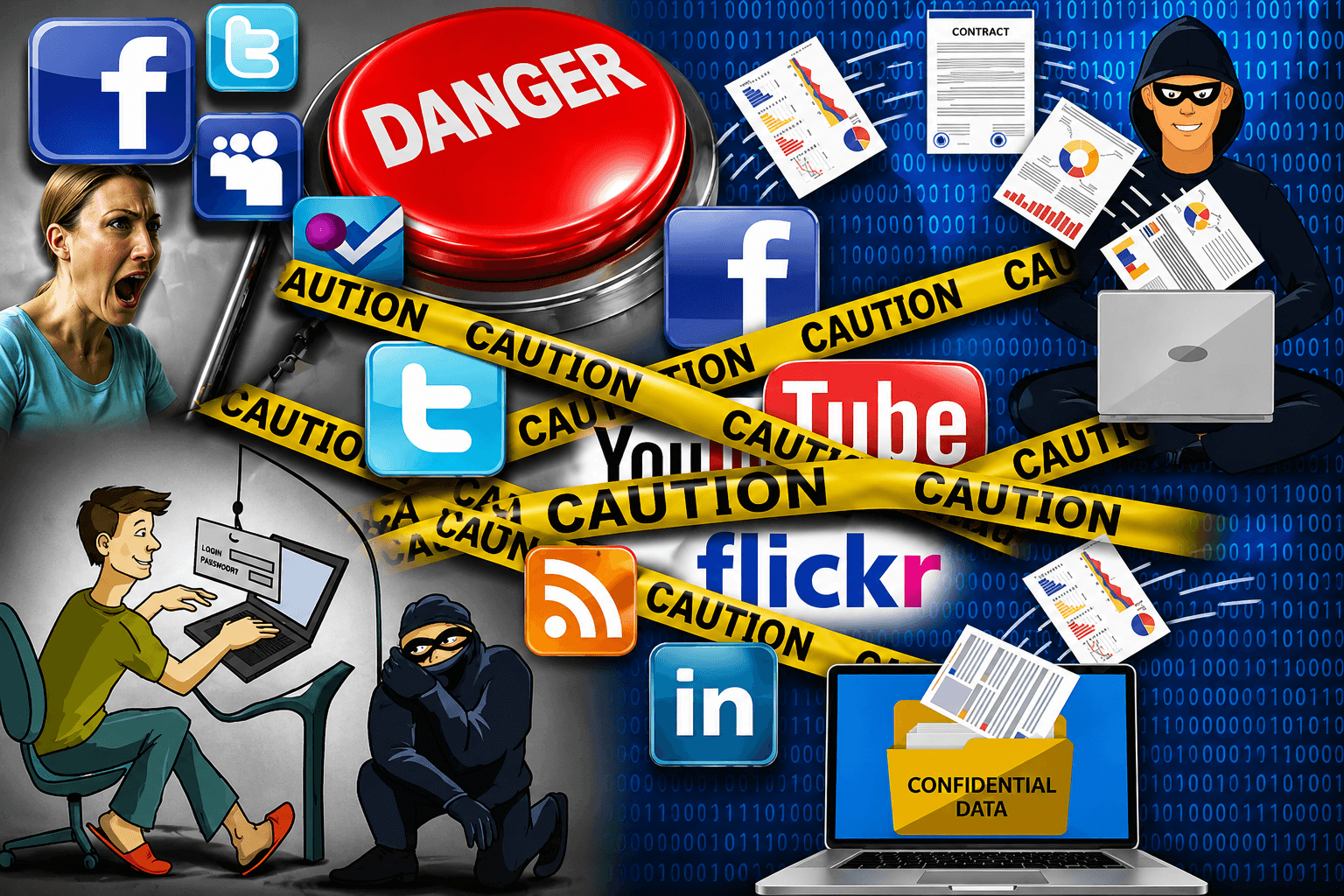
At the center of this challenge is Social Media. It drives engagement, builds communities, and supports visibility. At the same time, it attracts unwanted activity. Spam, abuse, and misleading content appear more often than expected. Therefore, managing these platforms requires more than simple monitoring.

In addition, users expect safe environments. They want to engage without concern. When platforms fail to provide that, users step away. This leads to lost opportunities and weakened brand trust. Because of this, protection must happen continuously.

Moreover, digital platforms are always active. There is no pause in activity. This means protection strategies must also operate without interruption. Reactive solutions are not enough. Businesses need systems that prevent issues before they escalate.

Ultimately, safety defines long-term success. Platforms that stay protected build stronger relationships with users. They create spaces where engagement grows naturally and consistently over time.

The Role of Monitoring in Preventing Digital Harm Early

Protecting platforms starts with visibility. Without it, risks go unnoticed until they grow too large. Therefore, monitoring must be detailed, consistent, and proactive. It allows teams to understand what is happening in real time.

This is where QA Monitoring becomes essential. It focuses on reviewing interactions, identifying patterns, and ensuring that standards are followed. Instead of reacting late, businesses can address issues early.

Monitoring also creates accountability. When systems are reviewed regularly, performance improves. Teams follow guidelines more closely, and risks are reduced before they spread. As a result, platforms remain stable and reliable.

In addition, early detection saves time. Fixing problems after they grow often requires more effort. However, addressing them early prevents disruption. This keeps operations smooth and controlled.

At the same time, monitoring builds consistency. Every interaction follows the same level of quality and protection. Users receive a more predictable experience. Because of this, trust continues to grow.

Furthermore, monitoring supports better decision-making. It provides clear insights into what works and what needs improvement. With this information, businesses can adjust strategies without guesswork.

Overall, strong monitoring acts as the first line of defense. It ensures that platforms stay protected while maintaining high standards across every interaction.

Structured Systems That Keep Platforms Stable and Secure

While monitoring is critical, it must connect with strong systems. Without structure, even the best insights cannot create change. Therefore, protection requires both observation and action working together.

This is where reliable services play an important role. They bring together processes, tools, and support into one coordinated system. Instead of scattered efforts, businesses operate with clear direction.

Structured systems help teams respond faster. When an issue appears, there is already a plan in place. This reduces confusion and keeps responses consistent. As a result, platforms remain stable even under pressure.

In addition, systems reduce human error. Clear processes guide actions and decisions. Teams know exactly what to do and when to do it. This improves efficiency while maintaining strong protection.

Moreover, structured systems support scalability. As platforms grow, risks increase. Without the right setup, managing that growth becomes difficult. However, with proper systems, expansion remains controlled.

At the same time, integration matters. Different tools and channels must work together. When systems connect properly, information flows smoothly. This improves response time and overall effectiveness.

Furthermore, consistency becomes easier to maintain. Every part of the platform follows the same standards. This ensures that protection remains strong across all areas.

Ultimately, structure strengthens protection. It turns strategy into action and ensures that every part of the platform works together effectively.

Adapting Protection Across Different Business Environments

Not all platforms face the same risks. Each business operates in a unique environment. Because of this, protection strategies must adapt to different needs and expectations.

This is where understanding industries becomes important. Each sector has its own challenges. Some deal with high customer interaction, while others manage sensitive data. Therefore, protection must reflect these differences.

In addition, audience behavior varies across industries. What works for one platform may not work for another. Because of this, strategies must remain flexible. Adjustments should happen based on real data and experience.

Moreover, regulations also play a role. Some industries require strict compliance. Others focus more on engagement and communication. In both cases, protection must align with these requirements.

At the same time, industry trends change quickly. New risks appear as technology evolves. Therefore, protection strategies must stay updated. Regular reviews help businesses stay prepared.

Furthermore, adaptability supports long-term growth. Businesses that adjust quickly avoid major disruptions. They respond to change without losing control.

In addition, customization improves efficiency. When strategies match the environment, resources are used more effectively. This leads to better results with less effort.

Overall, adapting protection ensures relevance. It keeps platforms secure while allowing them to grow within their specific environment.

Long Term Protection Through Consistency and Smart Oversight

Protecting platforms is not a one-time effort. It requires ongoing attention and continuous improvement. Without consistency, even strong systems begin to weaken over time.

This is where BPOManila plays a critical role. With experience across multiple platforms, the focus remains on maintaining high standards through consistent oversight. This ensures that protection does not fade as systems evolve.

At the same time, consistency builds trust. Users return to platforms that feel safe and reliable. When every interaction meets expectations, confidence grows naturally.

Moreover, long-term protection depends on discipline. Teams must follow processes, review performance, and adjust when needed. This creates a cycle of improvement that strengthens systems over time.

In addition, oversight ensures that nothing is missed. Regular checks keep systems aligned with goals. This prevents small issues from turning into larger problems.

Furthermore, continuous improvement supports growth. As platforms expand, protection must scale with them. This requires a commitment to maintaining quality at every level.

Now is the time to strengthen your platform. Waiting often leads to greater risks. Early action creates better outcomes and reduces future challenges.

If you want to protect your platform and improve performance, take the next step today. Connect with a team that understands what it takes to manage risk in a digital space. Work with experts who prioritize safety, consistency, and long-term success.

The New Rhythm of Business and Customer Interaction

The Changing Pace of Customer Service in Daily Operations

The way businesses communicate with their audience has changed significantly over time. At the center of this shift is customer service, which now plays a more dynamic and responsive role in daily operations. Instead of being reactive, it has become a continuous process that supports every stage of the customer journey.

Modern businesses operate in a fast paced environment where expectations continue to rise. Customers no longer accept delayed responses or unclear communication. They expect interactions to feel immediate and consistent across all platforms. This change has influenced how businesses structure their support systems and manage daily workflows.

Communication flow has become a key factor in maintaining this rhythm. Information must move smoothly between teams and customers to avoid delays. When communication is organized and efficient, businesses can respond quickly without sacrificing accuracy. This creates a more reliable experience for the customer.

The pace of interaction also affects internal operations. Teams must be prepared to handle inquiries as they arise, which requires structured processes and clear coordination. Without this structure, response times can slow down, leading to frustration and reduced engagement.

As businesses adapt to this faster rhythm, they begin to recognize that communication is not just a function. It is a core part of how they operate. When handled effectively, it strengthens relationships and supports long term growth.

The Influence of Evolving Client Expectations on Interaction

Customer behavior continues to evolve, shaping how businesses approach communication and service delivery. Client expectations have increased as technology provides faster access to information and support. Customers now expect interactions to be efficient, clear, and personalized.

This shift has changed the way businesses manage their interactions. Standard responses are no longer enough. Customers want to feel understood, and they expect businesses to respond in a way that reflects their specific needs. This requires a more thoughtful approach to communication.

Response time plays a critical role in meeting these expectations. Delayed replies can lead to frustration, even if the final solution is effective. Fast responses show that a business values its customers and is committed to providing timely support. This improves overall satisfaction and strengthens trust.

Meeting these expectations also requires consistency. Customers expect the same level of service regardless of the platform they use. Whether through email, chat, or phone, the experience should feel seamless. This consistency builds confidence and encourages repeat interaction.

Businesses that understand these changes are better positioned to maintain strong relationships. By aligning their processes with customer expectations, they create a more responsive and reliable experience that supports long term engagement.

The Role of Structured Communication in Business Interaction

Effective communication is essential for maintaining strong relationships between businesses and their customers. Business interaction depends on how clearly and efficiently information is shared. When communication is structured, it becomes easier to manage and more reliable.

A well organized system ensures that messages are delivered accurately and without delay. This reduces confusion and improves the overall experience for both customers and teams. Clear communication allows businesses to address concerns quickly and provide solutions that meet customer needs.

Customer engagement increases when communication feels natural and responsive. Customers are more likely to interact with businesses that provide clear and helpful responses. This creates a stronger connection and encourages ongoing interaction.

Structured communication also supports internal coordination. Teams can work more effectively when they have access to accurate information. This reduces errors and improves efficiency across different functions. When everyone is aligned, the quality of interaction improves.

Consistency is another important factor. Customers expect the same level of communication each time they reach out. When businesses maintain consistent standards, they build trust and reliability. This consistency becomes part of the overall customer experience.

By focusing on structured communication, businesses create a system that supports both efficiency and engagement. This approach strengthens relationships and improves overall performance.

The Impact of Real Time Support on Customer Experience

The demand for immediate assistance has reshaped how businesses approach communication. Real time support has become a key component of modern interaction, allowing businesses to respond to customer needs as they arise. This level of responsiveness improves satisfaction and builds trust.

Customers expect quick solutions, especially when dealing with urgent concerns. When businesses provide immediate assistance, they demonstrate reliability and commitment. This creates a positive impression that influences future interactions.

User experience is directly affected by the speed and quality of support. A smooth and responsive interaction makes it easier for customers to complete tasks and resolve issues. This reduces frustration and encourages continued engagement.

Providing real time support requires efficient systems and well coordinated teams. Businesses must ensure that their processes can handle incoming requests without delays. This involves using tools and strategies that support quick communication while maintaining accuracy.

The ability to respond instantly also allows businesses to address potential problems before they escalate. This proactive approach improves overall performance and reduces the impact of negative experiences.

As real time interaction becomes more common, businesses that invest in this capability gain a competitive advantage. They can meet customer needs more effectively and maintain stronger relationships over time.

The Long Term Value of Consistent and Adaptive Interaction Systems

The way businesses manage communication has a lasting impact on their success. Consistent and adaptive systems allow businesses to maintain strong relationships while responding to changing demands. These systems create a foundation that supports both stability and growth.

Service quality improves when communication processes are reliable and well organized. Customers receive accurate information and timely responses, which builds trust and confidence. This consistency encourages long term engagement.

Adaptability is equally important. As customer expectations evolve, businesses must adjust their approach to communication. Flexible systems allow them to make these changes without disrupting their operations. This ensures that they remain responsive in a changing environment.

Strong communication systems also support efficiency. When processes are streamlined, businesses can handle higher volumes of interaction without reducing quality. This improves productivity and allows teams to focus on more strategic tasks.

BPOManila provides solutions that support consistent and adaptive communication, helping businesses maintain strong interaction systems while improving efficiency and performance.

Over time, these systems become a key part of business success. They allow businesses to build stronger relationships, improve performance, and adapt to new challenges. This creates a sustainable approach to communication that supports long term growth.

Strengthen your customer interaction strategy and build a more responsive system. Reach out to BPOManila and discover how the right support can transform your daily operations.