
Global Industries and Outsourcing Integration

Entertainment and Gaming Landscape in Outsourcing

The entertainment and gaming industry has grown into one of the most dynamic fields in today’s global economy. From competitive esports to large-scale streaming platforms, the need for consistent support has become a top priority. Outsourcing provides a pathway to handle these demands effectively. With dedicated external teams, companies can offer uninterrupted assistance, manage billing systems, and address technical issues at any time of day.

Another crucial role of outsourcing in this industry is moderation. Online communities are massive, and they require constant supervision. Outsourced professionals monitor chat rooms, forums, and player interactions, ensuring the gaming environment remains safe and enjoyable. By preventing disruptive behavior and addressing concerns quickly, outsourcing safeguards brand reputation and keeps players engaged.

Entertainment platforms also benefit from multilingual support offered through outsourcing. Global audiences require diverse language capabilities, and outsourcing ensures communication barriers do not limit user satisfaction. At the same time, developers are free to focus on content creation, innovation, and partnerships. This balance between creativity and outsourced support helps sustain growth and engagement.

Gamers worldwide expect immediate responses when they face technical problems or transactional issues. By outsourcing customer support, companies reduce downtime and maintain user trust. Outsourcing, therefore, is not just a cost-saving measure but an essential tool for building loyalty in entertainment and gaming.

How Does Outsourcing Transform FinTech and HealthTech

FinTech is reshaping the financial sector by offering consumers faster, smarter, and more accessible services. However, the complexity of compliance, fraud prevention, and data security presents challenges. Outsourcing plays a significant role in meeting these challenges. External teams trained in financial regulations manage processes like Know Your Customer verification, payment monitoring, and customer onboarding. They ensure compliance while delivering efficiency.

Outsourcing also supports scalability in FinTech. During periods of high transaction volume, outsourced teams quickly expand to handle the load, preventing delays or errors. This flexibility allows FinTech firms to remain competitive in a market where customer confidence is closely tied to security and reliability.

HealthTech, meanwhile, has transformed how patients interact with providers. Telehealth platforms, wearable devices, and digital record systems depend on efficiency and accuracy. Outsourcing enhances these systems by taking on appointment scheduling, medical record updates, billing, and claims management. When providers offload these tasks, they gain more time to focus on patient outcomes.

Another major benefit of outsourcing in HealthTech is compliance. Regulations such as HIPAA require strict handling of sensitive patient data. Outsourced teams that specialize in compliance processes reduce risks while maintaining trust. Additionally, multilingual and accessible support allows healthcare technology firms to serve diverse populations across different regions.

FinTech and HealthTech both illustrate how outsourcing balances innovation with operational support. By merging specialized expertise with cost efficiency, industries in finance and healthcare achieve agility without compromising security or service quality.

What Role Does Outsourcing Play in Travel and Retail

Travel and transportation are industries defined by urgency and precision. Customers expect booking confirmations within seconds, fast resolutions when plans change, and reliable updates on travel logistics. Outsourcing makes these expectations achievable by providing 24/7 customer service teams that handle reservations, ticketing, itinerary changes, and refunds.

For on-demand platforms like ridesharing or delivery services, outsourcing covers driver onboarding, background verification, and user support. This ensures that both customers and service providers experience smooth interactions. Seasonal spikes such as holiday travel or peak festival seasons bring increased demand. Outsourced teams scale rapidly during these periods, helping companies maintain consistent quality without straining in-house staff.

Retail and eCommerce, on the other hand, depend on strong customer engagement to drive loyalty. Outsourcing supports these industries by managing inquiries across email, phone, and live chat. Outsourced agents process returns, handle logistics coordination, and prevent fraud through advanced verification processes.

During seasonal shopping events like Black Friday or back-to-school sales, eCommerce brands experience demand surges that require quick expansion of support teams. Outsourcing provides this scalability instantly. Beyond customer service, outsourced agents contribute to growth by recommending complementary products, boosting sales through upselling and cross-selling opportunities.

The role of outsourcing in travel and retail is not limited to operational support. It also shapes customer perceptions. Quick responses, personalized interactions, and efficient resolutions build brand trust and repeat business. Industries in both sectors thrive when outsourcing is integrated into their customer experience strategies.

Social Media and Technology Growth with Outsourced Services

Social media platforms have become central to communication, marketing, and entertainment. These platforms rely on outsourcing to handle content moderation, advertisement support, and technical inquiries. Moderation ensures that harmful or inappropriate content is removed quickly, maintaining safe and positive online spaces. Advertiser and user support handled by outsourced teams contributes to smoother campaign management and better audience engagement.

Technology companies also rely heavily on outsourcing. Software firms, cloud providers, and SaaS platforms use external teams to manage IT helpdesk services, product troubleshooting, and subscription management. For many companies, outsourcing covers the customer lifecycle, from onboarding to renewal reminders. This allows internal teams to focus on research, innovation, and product development.

Outsourcing also contributes to the analysis of customer data. Feedback gathered by external teams is converted into insights that guide decision-making. Social media platforms use this information to improve algorithms, enhance engagement strategies, and better serve advertisers. Technology companies rely on similar insights to optimize product features and technical solutions.

As industries continue to evolve rapidly, outsourcing ensures that social media and technology firms remain agile. By delegating support and service management, these businesses protect their core mission while sustaining user satisfaction on a global scale.

Future Ready Strategies for Lasting Impact

Industries across entertainment, gaming, finance, healthcare, travel, retail, social media, and technology demonstrate the wide-reaching benefits of outsourcing. Each field gains tailored solutions that improve efficiency, maintain compliance, and enhance customer trust. The consistent advantage is scalability, the ability to expand operations when needed without compromising service quality.

For companies aiming to stay ahead in competitive markets, outsourcing is more than an operational choice. It is a growth strategy. With professional outsourcing partners such as BPOManila, organizations gain access to expert services, innovative processes, and global capabilities. Outsourcing becomes a foundation for resilience and long-term success.

Your future growth begins with a commitment to scalable and efficient solutions. By choosing the right partner, you can expand your operations, improve customer experiences, and achieve sustainable impact. Outsourcing is not only about cost reduction. It is about creating stronger connections, building flexibility, and ensuring your place in a changing world.


Elevation Point for Lead and Client Advancement

Growth Models for Business Success

Every organization reaches a moment where opportunities shift toward measurable growth. This point, often called the elevation point, marks where both leads and clients begin advancing to stronger stages of engagement. Businesses that identify and optimize this stage set themselves apart. They create clarity between what is routine and what truly drives results.

When growth strategies are built on structured models, organizations see a consistent flow. Leads become customers faster. Clients deepen their trust. Internal teams also benefit from smoother communication channels. With clear roadmaps, companies discover more efficient processes.

Transitioning from traditional methods into smarter approaches requires understanding the core value of this elevation point. The journey of growth is no longer a series of disconnected steps. Instead, it becomes a cycle where every interaction has purpose.

Why Does Lead Advancement Matter

Leads serve as the foundation of any pipeline. Without consistent lead advancement, businesses risk losing momentum. The elevation point identifies the stage when leads shift from being passive observers into active participants. It is the spark that drives action.

Every organization has different methods to qualify a lead. Some rely on early research behavior. Others prioritize engagement with digital content. No matter the method, recognizing when interest turns into intent is crucial. That is the stage where advancement begins.

At this point, services designed for communication, response, and support make the difference. Prospects expect timely answers. They want personalized engagement. A well-built structure around the elevation point ensures these expectations are met.

The future of lead advancement is not about volume alone. It is about identifying value at the right stage and nurturing it with the right tools. Organizations that adapt to this approach see a more predictable flow from inquiry to decision.

What Role Do Industries Play in Client Advancement

Each industry approaches client relationships differently. Some rely on scale and automation. Others focus on high-touch personalization. However, the elevation point remains universal. It signals the time when clients are ready to expand the scope of their engagement.

For technology industries, this may mean adding advanced digital solutions. In healthcare, it may involve introducing patient-focused support models. In retail, it often connects to improving the customer experience. The details vary, but the concept of client advancement holds true.

This stage requires understanding industry-specific challenges. Without that awareness, businesses miss opportunities. They risk offering solutions that do not align with real needs. When the elevation point is identified correctly, advancement becomes a natural progression.

Client advancement does not mean pressure. Instead, it means partnership. It shows how industries can shift focus from transactional interactions into lasting trust. With the right approach, industries across the spectrum can use this point to expand impact.

Digital Solutions for Customer Experience

The rise of digital tools has reshaped how organizations meet the elevation point. Platforms now track customer journeys with more accuracy. Data identifies where leads and clients require attention. Automation ensures responses happen in real time.

Customer experience plays a major role. Modern clients expect engagement to feel seamless. They expect support across multiple channels. Businesses that provide integrated digital solutions set themselves apart. They turn complexity into convenience.

When the elevation point is paired with strong customer experience design, the results are powerful. Conversion rates rise. Retention strengthens. Even referral activity increases as satisfied clients share their experiences.

This is where business process outsourcing partners step in. They offer specialized knowledge, advanced platforms, and scalable teams. Organizations no longer need to handle every stage in-house. Instead, they gain access to models that elevate both lead and client journeys.

Digital transformation is no longer optional. It is the foundation of sustainable client advancement. Businesses that delay adaptation risk falling behind, while those who embrace it expand their reach.

How Can Growth Expand Beyond Borders

Global expansion introduces both opportunities and challenges. The elevation point becomes more complex as cultural expectations and regional differences appear. Yet, it also becomes more rewarding.

Leads from international markets require localized engagement. Clients from diverse industries expect flexibility in delivery. This is where global expansion strategies align with the elevation point. Companies must be ready to adapt while maintaining consistency.

International regulations, language differences, and varied customer preferences all influence advancement. However, with strong structures, businesses can maintain quality while scaling worldwide. The key is balancing efficiency with personalization.

Growth that extends across borders also strengthens credibility. Clients see an organization that adapts to multiple environments. They recognize stability in complex settings. That recognition translates into stronger relationships.

External resources also support global strategies. For instance, the U.S. Small Business Administration provides guidelines for international business readiness. Companies that leverage such resources align their strategies with established frameworks.

Pathways for Deeper Client Support

At the end of every growth journey lies the need for trust. The elevation point may begin with leads, but its long-term effect lies with clients. Advancing clients requires pathways that prioritize their evolving needs.

Client support becomes more than solving issues. It becomes a channel for building loyalty. Every interaction adds to the relationship. Every solution reinforces trust. The result is a partnership that grows stronger over time.

Organizations that invest in strong client support witness lower churn. They also see higher satisfaction scores. Most importantly, they build communities of advocates. These clients share their experiences and influence others.

The elevation point is not static. It shifts as industries evolve, technologies advance, and client expectations rise. Businesses that treat it as an ongoing strategy gain resilience. They transform challenges into opportunities for deeper support.

Unlocking the Next Stage of Advancement

Growth is never a single step. It is a series of points where decisions create direction. The elevation point represents the most significant of these. When recognized and maximized, it moves leads toward conversion and clients toward loyalty.

Whether through services designed for communication, industries with tailored strategies, or digital solutions that enhance customer experience, the elevation point drives progress. It becomes the foundation of lead advancement and client support.

To achieve this growth, businesses must think beyond today. They must create systems that adapt to tomorrow. The result is not just progress, but transformation.

Now is the time to identify your own elevation point. Explore how your processes align with advancement. Build stronger pathways for your leads. Create deeper trust with your clients. And most importantly, take the step toward lasting growth.

Ready to discover your elevation point? Reach out today and let us show you how advancement creates opportunities that last.

World Class Base for Contact and Industry Outreach

Core Elements of Contact Framework

A strong base is at the heart of every successful connection. When businesses need to expand their reach, they rely on well-structured environments that manage contact with accuracy and care. A reliable contact system is more than a communication tool. It serves as the face of a brand and shapes the trust that clients build over time.

In today’s fast-paced world, no enterprise can risk having weak touchpoints. Each call, chat, or digital message leaves an impression that defines how a brand is remembered. This makes the foundation of contact critical for long-term success.

A strong contact base ensures that customers feel understood. It creates seamless experiences that are both efficient and personal. In this way, the structure does not only handle communication. It strengthens the entire image of a business.

When contact systems are built to scale, organizations can manage growth with ease. Instead of focusing on flaws in communication, they can invest their energy in innovation. This balance creates lasting partnerships and helps businesses secure their place in competitive markets.

Industry Networks and Global Influence

Industries rely on strong networks to thrive and to sustain growth across borders. Each sector is shaped by the way it communicates, collaborates, and connects with new opportunities. A world class base for contact is what allows these industries to influence markets far beyond their immediate reach.

Customers today demand solutions that recognize both local and global needs. They want providers who understand worldwide challenges while also respecting cultural differences. That is why global influence matters. It reflects the ability of a company to listen, learn, and adapt.

With strong industry networks, businesses gain credibility. Clients recognize that the company is not only capable of offering solutions but also able to perform consistently across different markets. Such reliability creates trust that lasts.

Moreover, a global presence helps companies adapt faster when industries change. By staying connected to worldwide trends, they can respond with agility and innovation. Global networks are not a luxury. They are essential tools for ensuring growth and stability.

What Creates Value in Contact Outreach

A question many leaders ask is clear. What creates value in contact outreach? The answer is found in how communication combines efficiency with empathy. Outreach cannot be viewed as a simple transaction. It must be seen as a relationship that adds value to both sides.

Value is created when contact feels human. While automated scripts may solve immediate issues, true value comes from making clients feel understood. A message delivered with empathy leaves a lasting impact.

Consistency is also key. Outreach must maintain high standards at all times. Clients notice when communication quality falls. This is why training, monitoring, and feedback remain essential. They guarantee that each step of the contact process reflects the brand’s commitment to excellence.

Finally, transparency builds trust. Clients are more comfortable when they know what to expect. By being open and clear in communication, companies foster loyalty. Value is never accidental. It is built step by step through consistent and thoughtful outreach.

Innovation Driving Contact Excellence

Innovation is the force that shapes modern contact excellence. As expectations continue to rise, companies must design systems that are faster, smarter, and more responsive. Innovation is not limited to advanced technology. It also means discovering new ways to connect with people and create experiences that matter.

Analytics and automation make contact more efficient, yet they must be balanced with human understanding. Technology can improve speed, but people provide empathy and context. The combination of these strengths delivers communication that is both practical and personal.

Innovation also enables companies to predict client needs rather than simply react to them. Predictive tools, data-driven insights, and adaptive workflows show customers that their concerns are anticipated. This type of foresight builds trust and loyalty that are stronger than what reactive strategies alone can achieve.

When innovation is applied thoughtfully, a contact center becomes more than an operational hub. It evolves into a strategic advantage. Businesses that innovate position themselves as leaders, setting standards for quality and customer satisfaction across industries.

Expanding Opportunities through Global Services

Global services play a vital role in sustaining long-term enterprise growth. Services that can adapt quickly to client requirements help businesses remain competitive in rapidly shifting markets. These services include customer support, digital engagement, and back-office functions that keep companies agile.

The diversity of global services ensures that businesses can meet the unique demands of different regions. A one-size-fits-all model is rarely effective. Instead, flexible solutions build trust across cultures and demonstrate respect for local needs.

Reliable services also allow businesses to scale. They provide the structure needed for rapid growth without the risk of operational breakdowns. This balance creates a secure environment where expansion feels natural and sustainable.

By investing in global services, businesses unlock opportunities that might otherwise remain out of reach. They ensure that every client, no matter where they are located, experiences the same level of care and attention. This consistency builds credibility and strengthens enterprise growth.

Take the Next Step Toward Global Contact Excellence

The journey toward global excellence begins with a strong base for contact. Enterprises that commit to building such a base create more than operational efficiency. They build trust, strengthen networks, and secure their place in the global market.

If your business is ready to expand and influence industries worldwide, now is the time to act. Professional support ensures that every interaction reflects the highest standard of quality. It also guarantees that your brand will stand out for its reliability and care.

Do not wait for opportunities to pass. Take the next step today by investing in structures that bring long-term growth. Build a base that reflects your commitment to excellence and discover the advantages of global outreach.

For further reading on how business foundations support enterprise stability, you can review insights provided by the U.S. Small Business Administration. This external resource highlights how proper planning and structure guide sustainable growth.

Debt Collection Strategies in Fintech and Healthtech Environments

Debt collection strategies in Fintech and Healthtech environments are evolving quickly. Organizations must balance ethical practices with financial recovery and compliance. These industries operate in fast-paced, technology-driven spaces. Each requires a clear framework to handle obligations, protect customer relationships, and remain compliant with regulations. This article explores how companies develop sustainable approaches, apply technology, and collaborate with partners to improve their processes.

Customized Approaches for Fintech Organizations

Fintech is transforming financial services with innovative platforms and rapid transactions. As this industry grows, the demand for efficient and transparent debt collection strategies grows as well. Companies need to manage overdue balances while maintaining trust and regulatory compliance.

One way fintech firms improve recovery is by using real-time analytics. These analytics identify repayment risks early and help segment customers based on behavior. As a result, outreach becomes more targeted and effective. Additionally, digital payment portals and mobile notifications create easy payment options. Customers receive reminders at the right time and through their preferred channels.

Fintech companies also focus on improving communication. They offer transparent terms, interactive dashboards, and secure channels to handle sensitive information. By integrating these tools into their platforms, they create a more seamless experience. This approach increases repayment rates while preserving the brand’s reputation.

Ethical Practices Across Healthtech Networks

Healthtech adds another layer of complexity to debt collection. Patient care, privacy regulations, and insurance claims all play a part in financial management. Therefore, ethical practices are essential to ensure patients feel respected and informed.

Healthtech firms often simplify billing statements and repayment plans. This reduces confusion and increases engagement. By combining empathy-driven outreach with advanced billing systems, these organizations manage overdue balances while protecting patient trust.

Automation plays a key role. Systems can track claims, detect errors, and flag discrepancies before they become disputes. This accelerates resolution times and ensures compliance with healthcare regulations. In turn, healthtech companies improve both cash flow and their reputation for responsible financial practices.

How Do Services Evolve Within Emerging Industries

Services in fintech and healthtech evolve quickly to meet growing expectations. Debt collection is no longer an isolated process. Instead, it integrates data analytics, compliance, and customer-centric design. This shift benefits businesses by reducing friction and improving transparency.

Outsourcing providers support these changes by offering specialized services. These can include lead generation, IT development, customer service, and QA monitoring. By partnering with experienced teams, companies access advanced tools and expertise. This allows them to scale operations without sacrificing compliance or quality.

As industries diversify, the need for tailored services increases. Providers who understand the regulatory landscape and consumer behavior deliver better outcomes. This approach creates a competitive edge and strengthens customer loyalty.

Data Driven Solutions for Advanced Compliance

Data-driven solutions shape the future of debt collection strategies. Predictive analytics, secure databases, and automated workflows support compliance across fintech and healthtech. Organizations use these tools to classify accounts, forecast repayment behavior, and identify risks.

Cloud-based systems provide secure, real-time access to account information. This enables companies to act quickly on new insights. Compliance dashboards track communication frequency, payment performance, and resolution times. Together, these technologies help firms manage risk, improve efficiency, and maintain customer trust.

In addition, training teams to use these tools builds internal expertise. Employees learn how to handle sensitive data responsibly and follow best practices. This combination of human skill and digital infrastructure creates a resilient framework for recovery and compliance.

Building Long Term Partnerships for Debt Collection Success

Debt collection success depends on strong partnerships. Organizations in fintech and healthtech benefit from collaborating with service providers who understand their needs. These partners deliver expertise in lead generation, IT development, customer service, and QA monitoring. They also offer infrastructure and processes that improve recovery while maintaining ethical standards.

Partnerships make it easier to innovate. Companies can test new strategies, refine communication methods, and deploy advanced technology faster. This agility improves both customer experience and financial performance. It also frees internal teams to focus on core operations, knowing their collection processes are in capable hands.

Building long-term partnerships creates stability. Over time, these relationships allow for continuous improvement, compliance monitoring, and customer-focused refinements. Organizations gain access to specialized knowledge while reducing operational risks.

Future Ready Engagement for Your Organization

It is time to enhance your financial recovery strategy with proven practices. A trusted outsourcing partner with expertise in debt collection strategies can transform your approach to fintech and healthtech operations. By aligning ethical standards, compliance, and technology, you can improve customer relationships and recovery performance at the same time.

For external guidance, the Federal Trade Commission provides resources on consumer protection and regulatory compliance at https://www.ftc.gov. Using these resources can help you benchmark your practices and remain aligned with industry standards.

Take the next step toward building a future ready framework for your financial operations. Reach out today to explore how specialized support services can improve your processes, strengthen compliance, and elevate your customer experience. Together, we can create a new standard for debt collection strategies in fintech and healthtech environments.

Customer First Center for Retail and E-Commerce

Evolving Industries Through a Customer Focused Hub

Retail and e-commerce continue to change faster than ever. Shoppers expect personalized service, rapid delivery, and seamless digital experiences. The Customer First Center for Retail and E-Commerce brings these elements together in one modern hub. It represents a unified program designed to put people at the core of every interaction. With industries adopting new technologies and smarter workflows, the hub ensures businesses can meet rising consumer demands.

This center operates as an agile environment where teams experiment, learn, and apply new practices. Companies improve the flow of information between in store and online channels, while strengthening client relationships. The result is innovation, loyalty, and sustainable growth.

Expanding Services and Retail Solutions for Modern Shoppers

At the core of this initiative lies a wide set of services designed for retail and e-commerce. These include multichannel communication platforms, predictive support tools, and real time dashboards. Together, they allow businesses to resolve issues faster, cut costs, and provide transparency to leadership.

The program also delivers advanced retail solutions that improve shopper engagement. From loyalty programs to real time stock visibility, the tools give brands a clearer picture of consumer behavior. Linking contact center data with web analytics helps companies respond quickly and transition customers seamlessly between physical and digital channels.

How Retail and E-Commerce Gain Support from a Leading Partner

By focusing on innovation, flexible models, and deep client collaboration, BPOManila brings the knowledge and infrastructure needed to scale. This means retail and e-commerce companies can access cost effective talent pools, advanced technologies, and proven best practices.

Through its involvement, businesses reduce administrative burdens and focus on strategy. This partnership allows retailers to improve fulfillment processes, customer interactions, and support networks without sacrificing quality. By uniting expertise and technology, this partner ensures brands can keep pace with global competition. This positions the center as a leading resource for any company seeking to thrive in a digital first world.

What Drives Stronger Ecommerce Strategies and Customer Experience

In today’s market, ecommerce strategies extend far beyond simple storefronts. They involve personalization, predictive modeling, and omnichannel support. This hub equips businesses to anticipate needs with data driven tools, automate inventory, and provide instant human or digital assistance.

At the same time, customer experience is prioritized through empathy based frameworks and advanced analytics. Companies measure satisfaction, identify pain points, and adapt quickly. The outcome is trust, loyalty, and meaningful connections that turn buyers into advocates.

Contact Center Innovation and Digital Growth for Seamless Shopping

A major advantage of the center is its role as an incubator for contact center innovation. Businesses test Ai routing, predictive coaching, and workforce optimization before rolling them out at scale. This ensures shorter wait times and higher resolution rates.

The program also accelerates digital growth by guiding cultural shifts and cross functional collaboration. Retailers access predictive analytics and explore new models like augmented reality fitting rooms and live shopping events. This blend of technology and creativity results in seamless shopping experiences that feel effortless to customers.

Explore a New Standard for Retail and E-Commerce Engagement

This hub stands ready to help organizations evolve. By working with its experts, you can unlock advanced ecommerce strategies, customer experience solutions, and scalable support designed for today’s competitive landscape.

For external context, you can review Wikipedia’s Retail Industry page for additional research.

Reach out today to explore how this center can design services and systems that deliver lasting loyalty and measurable results. Together, your brand can achieve success in the digital economy.

Customer Excellence Framework Across Global Sectors

Building the Customer Excellence Circle Across Global Sectors

BPOManila has developed a distinctive approach to meeting the needs of a diverse marketplace. This initiative blends innovation, service quality, and sector knowledge into one clear direction. The model represents an evolution from traditional outsourcing and offers a more integrated, customer-focused approach designed for today’s interconnected industries.

The idea behind this framework is simple. Businesses worldwide are seeking ways to unify customer experience, strengthen engagement, and improve operational outcomes. Rather than relying on fragmented solutions, this partner creates a seamless environment where industries can share best practices, streamline support, and adopt forward-thinking tools.

By aligning with this approach, organizations gain a competitive advantage in crowded markets. They enjoy faster response times, better data integration, and stronger customer loyalty. This creates a foundation for sustainable growth in any sector and encourages a culture of continuous improvement rather than reactive service models.

The Customer Excellence Circle also reflects a mindset shift. Instead of viewing customer support as a cost center, organizations treat it as a core driver of value. This change in thinking fosters new ways to enhance lifetime customer value, uncover actionable insights, and improve overall organizational health.

Connecting Expertise to Transform Service Quality

Every industry faces unique challenges in providing exceptional customer experiences. The Circle is designed to adapt to those challenges. By combining experienced teams with proven processes, this model delivers solutions aligned with each sector’s operational realities. It recognizes that no two sectors are alike, and flexibility must be built into every customer-facing system.

Take the media sector. Entertainment and Gaming companies handle vast audiences and high-volume interaction cycles. They need scalable support that can flex with demand, especially during peak release seasons or live events. This approach equips them to deliver consistent outcomes without compromising quality. It enables content moderation, multi-platform engagement, and fast escalation handling so that audience experiences remain seamless.

Healthcare also benefits. In HealthTech, accuracy, privacy, and speed are critical. Secure processes are integrated with responsive service, giving organizations a reliable partner for both patient-facing and back-office functions. This creates trust and ensures compliance with complex regulations such as HIPAA or GDPR. It also allows health organizations to focus on innovation while maintaining a strong patient-care reputation.

Financial services, another high-stakes sector, find value in this model through risk mitigation and improved client interactions. By leveraging strong data protection standards and high-quality support agents, institutions can build customer confidence and handle regulatory scrutiny with greater agility.

By linking these capabilities under one unified approach, customer service excellence becomes a measurable and repeatable process rather than a series of disconnected initiatives. Metrics such as first-contact resolution, customer satisfaction scores, and retention rates become easier to track and improve.

Defining Excellence in Modern Markets

Understanding what defines excellence in modern markets is crucial. Today’s environment is marked by rapid innovation, tighter margins, and more discerning customers. A misstep in service quality can spread instantly through reviews and social media, making high standards essential. Excellence is no longer just a differentiator,  it is a survival requirement.

This strategy helps industries maintain consistency and build trust at scale. Consider On-Demand Travel and Transportation, where real-time updates and seamless service are non-negotiable. Systems built for these scenarios handle large transaction volumes while keeping travelers informed and satisfied. This proactive approach reduces friction and increases loyalty, allowing companies to preempt issues before they escalate.

Retail faces its own complexity. E-commerce companies manage multiple sales channels, fast-changing inventory, and diverse customer expectations. The Circle offers tools to coordinate back-end operations with front-line service, ensuring consistency and speed. This makes it easier for retailers to scale without losing the personal touch that customers value. It also gives retailers the flexibility to pivot during promotions, holiday surges, or supply chain disruptions without sacrificing customer satisfaction.

Additionally, modern customers demand transparency. They expect to know how their data is handled, how quickly problems will be resolved, and how brands respond to social or environmental concerns. Integrating these expectations into the Circle allows organizations to deliver not just speed and efficiency but also values-driven service.

By centering on excellence, these sectors can build resilient reputations and sustainable revenue streams even in challenging environments. Firms that achieve this position themselves as leaders and innovators, earning the loyalty of customers who demand more than just transactions.

Driving Sustainable Outcomes Across Diverse Industries

This model is more than an operational strategy. It’s a catalyst for growth, risk reduction, and innovation. By harmonizing processes and talent, the framework creates an ecosystem where companies from multiple sectors can excel. It provides not just cost savings but also a platform for ongoing collaboration and joint problem-solving among industry peers.

This is especially relevant for Social Media platforms that depend on high-volume interaction, content moderation, and fast turnaround times. The Circle provides the structure needed to handle surges in activity without compromising quality or safety. This consistency helps platforms protect their communities and reinforce user trust. Features such as multilingual support, automated triage, and escalation pathways ensure that even global networks maintain a uniform experience for all users.

Technology firms also find value here. In industries where product cycles are short and expectations evolve rapidly, this integrated model aligns development and service functions to ensure reliability. This allows tech companies to innovate quickly while maintaining a strong focus on customer satisfaction. Built-in feedback loops feed insights from customer interactions directly back into product teams, shortening time-to-market for improvements.

Emerging sectors like renewable energy or sustainable supply chains also benefit. They often face volatility in regulations, public perception, and technical requirements. The Circle’s adaptable framework allows these industries to build customer service infrastructures that keep pace with rapid shifts in market conditions.

Such integration across diverse industries reduces operational friction, increases transparency, and supports long-term planning. Instead of reacting to market shifts, businesses become proactive, positioning themselves ahead of competitors. This fosters greater agility and resilience in an increasingly uncertain global economy.

Beginning the Shift Toward Global Customer Excellence

This modern approach to service delivery unites innovation, sector-specific expertise, and proven methodologies to create an environment where businesses thrive. It helps organizations not just meet customer expectations but surpass them with consistent, measurable outcomes that can be demonstrated to stakeholders and investors alike.

This is a call to action for organizations ready to raise their standards. By engaging with this partner, companies in entertainment, healthcare, travel, retail, and technology gain access to a deep understanding of their sector. Together, they can create customer experiences that strengthen loyalty, improve efficiency, and accelerate growth. Such collaborations also help organizations attract and retain top talent, as employees see the benefits of working within a customer-centric, forward-looking structure.

For a wider look at the impact of outsourcing on global industries, visit Outsourcing on Wikipedia. This external resource provides a neutral overview of how strategic partnerships like this one shape markets and support innovation.

Now is the time to move beyond fragmented solutions and embrace a unified model for customer excellence. Connect today to discover how this approach can elevate your organization and deliver measurable, lasting results. By starting now, companies can position themselves as leaders in the next wave of global customer experience transformation, gaining not only market share but also customer advocacy that drives long-term growth.

Enterprise Circle for IT and Customer Pathways

Building a Strong Enterprise Circle for Clients

Enterprise Circle for IT and Customer Pathways introduces a structured model for unifying technology and customer functions. It represents a modern approach designed for organizations seeking a single environment where systems and human interaction work in harmony. This model focuses on making operations consistent, scalable, and responsive to change.

Many businesses face fragmented systems when dealing with multiple vendors. The Circle simplifies communication, reduces operational waste, and enhances customer satisfaction. By concentrating key functions under one coordinated structure, companies gain a stronger base for growth while maintaining flexibility. This kind of integration is especially valuable for organizations in competitive sectors where agility and quality are equally important.

Inside the Circle, decision-makers can focus on strategy rather than day-to-day process maintenance. The approach also opens opportunities to introduce innovations in a stable and measured way, ensuring smoother transitions and sustainable progress. This creates a setting where technology and people reinforce each other, producing outcomes that are stronger than any one function could deliver alone.

The Circle’s architecture is also designed to scale. As organizations grow, they can activate more specialized functions without disrupting existing operations. This provides a clear path to expansion while maintaining consistency across channels and departments.

Connecting Services to Create Seamless Operations

The outsourcing landscape is evolving rapidly as customer expectations rise and digital transformation accelerates. This model combines a diverse range of services into one coordinated environment. Each element supports the others, forming a foundation greater than the sum of its parts.

At the customer acquisition stage, Lead Sales identifies prospects with the highest potential. This single inclusion streamlines outreach and improves efficiency from the start. A focus on high-value prospects reduces wasted resources and enables marketing efforts to produce stronger results.

Moving to the next stage, Lead Conversion takes these identified prospects and turns them into active customers. Instead of a gap between marketing and sales, there is a smooth handoff, ensuring prospects receive consistent attention at every step. This continuity improves the quality of interactions and increases long-term customer value.

Further along the process, Lead Support nurtures leads between touchpoints. By offering timely and personalized attention, it strengthens trust and builds a consistent experience. This ensures that prospects remain engaged until they are ready to commit. Companies benefit from higher conversion rates and more satisfied customers.

By bringing these services under one coordinated structure, the Circle eliminates friction. Departments no longer work at cross-purposes, and customers receive a seamless journey from first contact to ongoing support. This structure also enables clearer reporting and better decision-making at the leadership level.

How Integrated Systems Solve Complex Needs

What makes an integrated system succeed in a world of fragmented communication

This question captures why many companies need a unified structure. The Circle offers coordination, adaptability, and sector depth to address challenges too complex for siloed departments or disconnected vendors.

Financial management benefits as well. A single mention of Debt Collection highlights how respectful and compliance-focused strategies can recover outstanding balances while maintaining goodwill. Instead of approaching customers with aggressive tactics, the Circle uses respectful engagement, preserving long-term relationships and protecting the brand’s reputation.

The model also recognizes the importance of IT Development. By building custom tools and improving existing systems, organizations can track performance and make data-driven decisions. This development capability supports both the customer-facing and back-office elements of the Circle. The ability to integrate technology with service functions creates more reliable, flexible, and scalable operations.

Integrated systems also mean better data visibility. Leaders can see the full customer journey, from acquisition to retention, and identify points where processes can be optimized. This insight allows organizations to react faster to market changes and deliver more value to their customers.

Strengthening Performance Across Core Capabilities

This approach adapts as industries change. It is not a fixed offering but a living system designed to evolve alongside client requirements. Training, processes, and technology are updated continually to ensure relevance and competitiveness. This adaptability helps businesses stay ahead of customer expectations and industry regulations.

One vital area is Customer Service for E-commerce and Retailers. Consumers expect rapid, accurate, and friendly support. The Circle handles inquiries across channels and maintains consistent service quality, creating a seamless brand experience and stronger customer loyalty. By centralizing service management, organizations can improve response times and reduce duplicated efforts.

Quality oversight completes the picture. QA Monitoring is embedded as a continuous process, evaluating interactions, identifying gaps, and making quick adjustments. This ensures standards remain high and every other element benefits from ongoing improvements. Instead of reactive audits, the Circle applies real-time quality checks, which increases transparency and builds trust both internally and externally.

When combined, these capabilities reduce operational complexity, improve performance metrics, and support sustainable growth models. They also enable companies to scale into new markets without constantly redesigning their operational frameworks. This creates a strong base for innovation and market expansion.

The Circle also enhances employee experience. With clearer processes, staff can focus on high-value tasks rather than repetitive work. This leads to improved morale, lower turnover, and a workforce better prepared to handle complex challenges.

Begin Your Journey Toward Service Transformation

This model represents more than a collection of services. It aligns technology, people, and process into a single cohesive experience. By consolidating multiple functions under one coordinated structure, organizations gain agility, transparency, and measurable outcomes. The Circle becomes a strategic asset rather than just a set of outsourced tasks.

BPOManila offers the expertise, infrastructure, and innovation needed to bring this concept to life. From lead management to customer care, from financial recovery to system development, the Circle supports each stage of the customer journey. The result is a stronger, more resilient business model ready to compete on a global scale.

If you want to explore the broader impact of outsourcing, visit https://en.wikipedia.org/wiki/Outsourcing. This external resource provides an overview of how strategic partnerships shape global markets and why organizations choose to work with specialized providers.

Take the first step now. Connect with our team and discover how this approach can elevate your organization. Create a new standard for service delivery, integrate your operations, and unlock the potential hidden within your business processes.

Lead Conversion Systems in Social Media Business Models

Emerging Power of Lead Conversion Systems in Social Media

Lead conversion systems have become the unseen backbone of most social media business models. These systems help brands move casual users into loyal customers. Social media platforms create opportunities for brands to connect, but they also present complex challenges. Businesses that rely on these platforms must find ways to collect data, track interactions, and guide people toward making informed choices. This is where lead conversion becomes essential.
Platforms such as Facebook, Instagram, and LinkedIn make it easy to generate leads at scale. But without an effective system, those leads can slip away. Many companies now invest in structured approaches to lead nurturing, including automated messaging and analytics-driven segmentation. This structured approach ensures that marketing efforts focus on high-value prospects.
BPOManila, a leader in outsourcing and support, has shown how industries can use social media to refine their lead processes. Their BPOManila experience includes linking call center operations, chat support, and customer experience teams with social media channels. The integration allows companies to shorten the time between first contact and final conversion, which is crucial in a competitive digital landscape.

Industries Driving the Integration of Social Media and Lead Conversion

Different industries have found unique ways to integrate lead conversion systems with their social media channels. Retail and eCommerce companies use product tagging, remarketing ads, and chatbots to nurture potential buyers. HealthTech companies focus on patient support and appointment scheduling directly through social platforms. FinTech brands rely on real-time messaging to improve trust and simplify onboarding.

Entertainment and gaming companies have also leveraged streaming content and live chat to move fans from curiosity to purchase. By embedding lead conversion systems within social media, they can measure outcomes like sign-ups, downloads, and sales without leaving the platform. This reduces friction and keeps prospects engaged.

For BPO companies like bpomanila, offering outsourced teams skilled in social media monitoring and conversion ensures a high-quality experience. They handle inquiries, qualify leads, and guide users toward the next step. This makes social media not only a marketing channel but a full-fledged sales ecosystem.

How Do Services Adapt to Social Media Business Models?

Customer services teams must adapt to respond in real time and across multiple channels. By uniting phone, email, and chat support with social media messaging, brands can create a seamless customer journey.
Modern service teams also rely on analytics tools to understand which posts generate the most leads and which times of day drive higher engagement. These insights help them adjust their schedules, allocate staff, and improve their responses. Real-time dashboards give teams visibility into lead flow, conversion rates, and service levels.
Companies like BPOManila have helped their clients map out service workflows that link directly to social media APIs. This approach reduces manual effort and human error. It also improves speed and consistency, which are vital for building trust in digital channels.

Data Analytics for Client Support and Engagement

Data analytics now sits at the center of social media lead conversion systems. Without it, brands cannot measure performance or optimize strategies. By collecting interaction data, companies can track how long it takes for a lead to convert, which messages resonate most, and where prospects drop off.
Client support benefits from analytics as well. Support teams can identify recurring problems and adjust responses or automate answers. Data also shows which customer segments respond better to offers, allowing for tailored campaigns. This drives higher engagement and improves ROI.
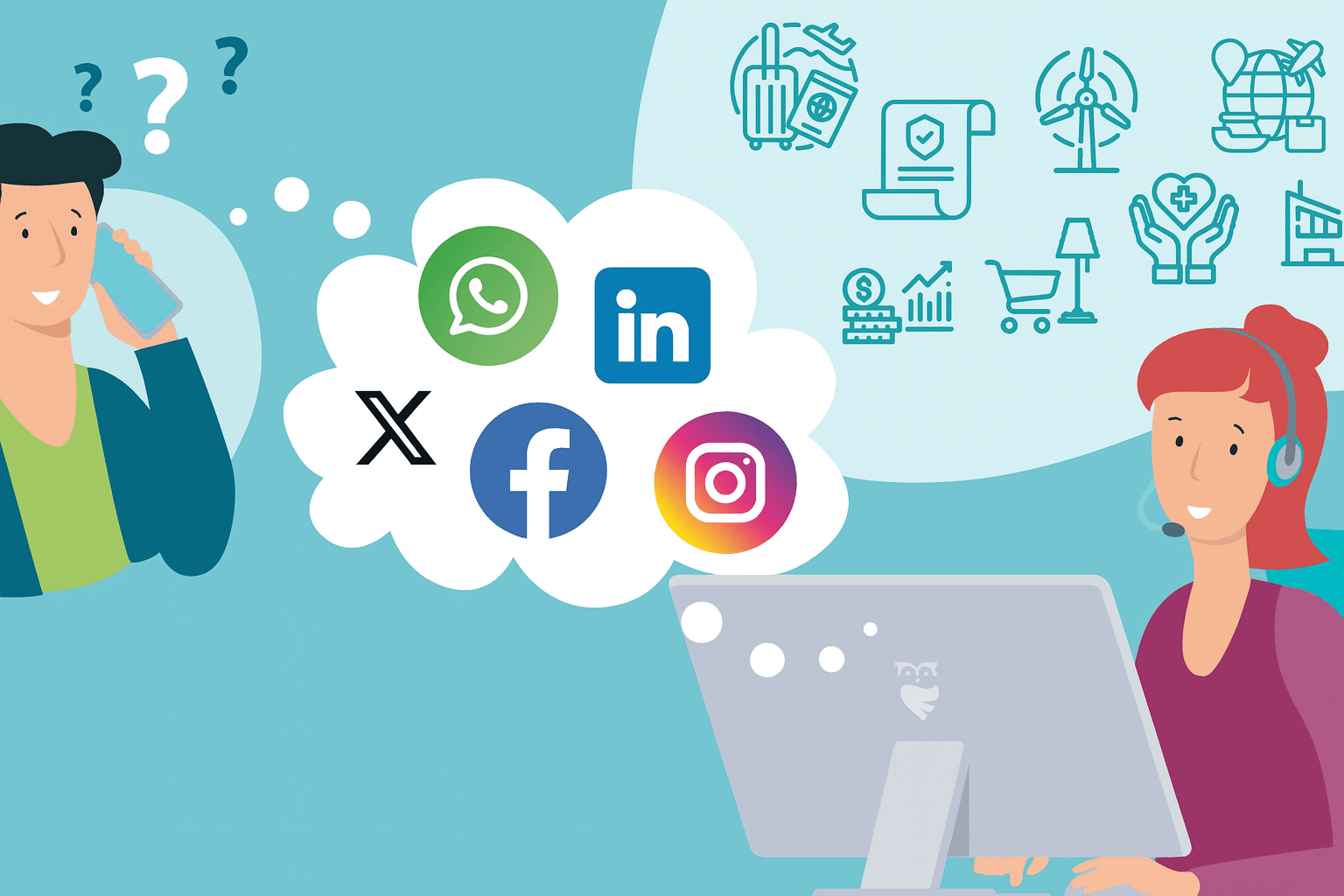
Digital channels are essential for capturing this data. Each comment, click, and share can be logged, scored, and linked to customer records. This data-driven approach allows brands to refine their funnels continuously. By using predictive models, they can forecast customer behavior and plan campaigns more effectively.
Companies in retail, travel, and finance use analytics to identify high-value leads and prioritize follow-ups. Outsourcing partners like BPOManila help manage the complexity by providing skilled analysts and customer support agents who specialize in social media.

Why Lead Conversion Systems Matter for Business Models

Lead conversion systems are not only about technology but also about strategy. In the past, social media was viewed mainly as a branding tool. Now, it is a revenue driver. Business models built on social platforms must include clear pathways for lead capture, nurturing, and conversion.
Customer engagement is also changing. Brands must create ongoing conversations rather than one-time campaigns. Content, advertising, and support all merge into a single experience. This holistic approach builds trust and makes customers more likely to convert.
A clear example of this is the rise of messaging-based commerce. When customers can ask questions, receive answers, and complete purchases without leaving a chat window, conversion rates increase. This trend highlights why lead conversion systems are now central to business models across industries.
BPOManila and similar organizations provide the human element needed to support these systems. Technology alone cannot answer complex queries or build rapport. Skilled agents ensure that leads feel valued and supported, making them more likely to complete their journey from prospect to customer.
For a deeper look at how social media platforms handle lead conversion, readers can explore the Wikipedia article on Social Media Marketing (https://en.wikipedia.org/wiki/Social_media_marketing). This external link offers neutral background information on industry trends and best practices. It also highlights the evolution of social platforms as sales and support channels, making it a useful reference for understanding the broader landscape.

Building a Future-Ready Lead Conversion Ecosystem

Businesses looking to stay ahead must think beyond single campaigns. They must invest in ecosystems that blend people, processes, and technology. This means training service teams, aligning data analytics with strategic goals, and ensuring that social media is fully integrated with other digital channels.
Companies should also explore partnerships with outsourcing providers who specialize in social media support. These partners bring experience across industries and understand how to optimize lead conversion processes. By outsourcing, brands can scale quickly and access best-in-class tools without heavy upfront costs.
The result is a future-ready system that delivers consistent results. Customers benefit from faster responses, personalized interactions, and smoother purchasing journeys. Brands gain higher conversion rates, better data, and stronger loyalty.

Join the Movement Toward Smarter Social Media Conversion

Ready to turn your social media channels into high-performing conversion engines? Partner with experts who understand both technology and human engagement. By working with a team like BPOManila, you can streamline your processes, improve customer experience, and boost your bottom line.
Discover how tailored support, analytics, and customer-first strategies can transform your business. Build a system that not only captures leads but nurtures them into loyal customers. Take the next step today and create a lead conversion strategy that sets your brand apart.