

By Rowie
Driver Support and the Economics of Repeat Passenger Choices
Real time driver support can affect how smoothly a transportation platform serves its customers. When a driver cannot confirm a pickup or access a trip, the delay can reach the passenger too. However, support does not control market share alone. Prices, local coverage, demand, and the quality of the app also influence where people book.
Why should a platform treat driver assistance as a business priority? The answer starts with the connection between driver availability and completed journeys. Across customer focused industries, timely help can prevent a small problem from interrupting a purchase. In transportation, that purchase involves a person waiting for a ride and a driver trying to earn.
For that reason, support services deserve attention alongside promotions and app updates. A platform needs clear ownership of urgent issues and practical guidance for the people handling them. Moreover, leaders should assess whether support helps drivers return to work. Fast replies matter, but useful answers determine whether the original problem actually ends.
Trip Disruptions and the Costs of Delayed Driver Resolutions
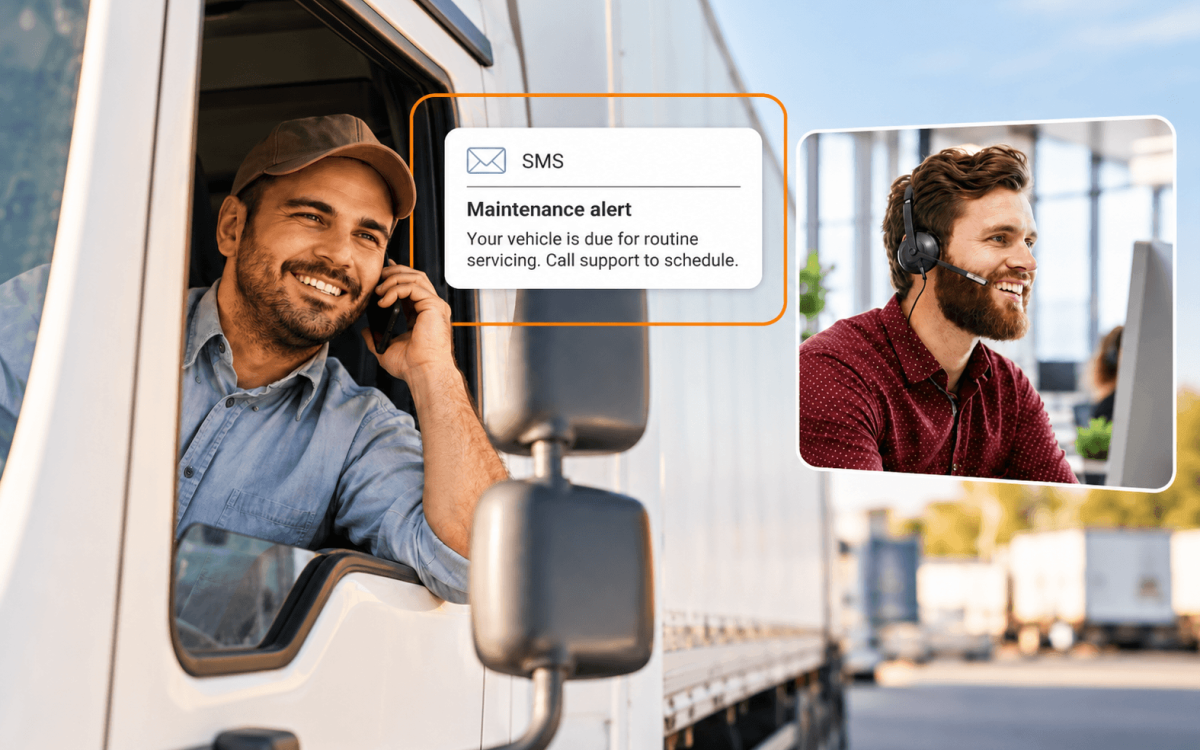
 In On-Demand Travel + Transportation, a driver may need help while a passenger waits nearby. For example, the app might show a pickup point that differs from the rider’s message. An agent should clarify the details within the platform’s rules. Otherwise, the driver may spend more time searching while the passenger becomes frustrated.
However, real time assistance does not mean every request needs an immediate phone conversation. A driver reporting an active trip problem has different needs from someone checking an old payment. Therefore, the platform should sort requests by urgency and potential impact. This approach helps agents focus on problems that threaten a journey already underway.
Effective call distribution can route those urgent requests to agents with the right knowledge. However, routing only works when the team understands the issue and has a clear next step. An agent who transfers a driver repeatedly can extend the delay. Instead, each handoff should include the relevant facts and a named owner.
Payment questions also affect the relationship between drivers and a platform. Although support agents may not control payment decisions, they can clearly explain known policies and send disputed charges for review. Clear answers help drivers understand what happens next. Furthermore, realistic update times reduce the need to contact several agents about the same concern.
Reliable technical support can help with login trouble, app errors, and missing trip details. However, agents should distinguish a single device problem from a wider outage before giving advice. Asking drivers to repeat steps during a known outage wastes time. Therefore, support teams need access to current incident updates and approved recovery guidance.
These actions can support driver retention, but they do not prove that market share will rise. A driver may use several platforms or choose work based mainly on expected earnings. Similarly, passengers may prefer lower fares or shorter waits. Nevertheless, dependable help can strengthen a platform’s ability to deliver the trips its pricing and marketing attract.
Safety related concerns need a separate response process. For example, an agent should follow the platform’s approved emergency guidance rather than offer advice beyond their authority. Likewise, drivers should contact support only when they can do so safely. Clear instructions protect the purpose of assistance without encouraging phone use while a vehicle moves.
Leaders should therefore connect support performance with operational results rather than make broad promises. Useful measures include issue resolution time, repeat contacts, and cancellations linked to reported problems. In addition, teams can compare patterns across locations and time periods. Such comparisons reveal where help needs improvement, although other factors may explain changes in trip volume.
Outsourced Assistance and Clear Operational Responsibilities
 BPOManila describes customer inquiry support for transportation clients, including availability around the clock. Its industry page also discusses scalable capacity and customized service level agreements. These published capabilities provide a starting point for a support partnership. However, a client should confirm the specific driver assistance scope before planning coverage or promising response times.
A practical agreement should define which requests agents can resolve and which require the platform’s internal team. For example, agents might explain a documented process while a specialist reviews a disputed account decision. The client must approve those responsibilities and access permissions. Consequently, drivers receive clearer guidance about who can help and what happens next.
Accurate call notes can preserve the details needed for that next step. Agents should record the reported issue, relevant trip reference, actions taken, and outstanding question. However, they should avoid collecting information that the task does not require. Clear records let another agent continue the case without asking the driver to explain everything again.
Meanwhile, call monitoring can help supervisors assess whether agents follow approved guidance. Reviews should consider answer quality, respectful communication, and correct escalation, alongside speed. A short conversation offers little value if the driver leaves confused. Therefore, coaching should address the actual cause of poor handling and provide a clear example of a better response.
Managers can use call statistics to examine demand and adjust daily staffing plans. For instance, a rise in contacts during evening peaks may require more coverage during those hours. However, total volume alone cannot explain whether support works well. Teams should review repeat contacts and unresolved issues to understand why drivers continue to seek help.
Before launch, the client and support provider should review sample cases together. This exercise can reveal missing instructions, unclear permissions, or gaps in escalation contacts. In addition, both teams should agree on how policy changes reach agents. Otherwise, an accurate answer today could become an outdated answer during the next busy shift.
When a case needs further review, an agreed callback can give the driver a clear update point. The team should confirm a suitable time and explain whether the response will contain a decision or a progress report. Moreover, agents should keep that commitment or communicate a revised plan. Consistent follow through makes the support process easier to trust.
Lasting Competitive Gains Through Reliable Driver Assistance
A platform earns a stronger competitive position when it delivers a dependable experience across ordinary working days. Driver assistance contributes by reducing avoidable confusion and helping teams address disruptions sooner. However, lasting gains require reasonable prices, reliable technology, and sufficient coverage too. Support works best when leaders connect it with those wider business priorities.
Therefore, improvement should begin with a specific problem that the team can measure. A platform could review repeated pickup complaints or delays in account access, then agree on a response process. Next, it can assess whether repeat contacts decline and drivers receive clearer answers. This gives decision makers evidence for further changes without assuming that speed alone creates growth.
Driver feedback adds another useful view of performance. Some issues appear minor in a dashboard but consume valuable time during a busy shift. Consequently, teams should ask whether the answer helped the driver continue safely and understand the next step. They can then compare that feedback with case records to identify gaps in guidance or authority.
If your transportation business needs help managing customer inquiries, contact us to discuss your support requirements. Share your operating hours, common issues, expected contact volume, and internal escalation process. Together, we can explore coverage and service expectations that match your business. Clear scope and measurable goals give the partnership a practical starting point for dependable daily assistance.