


By Rowie
The Growing Risk Across Every Digital Interaction Today
Digital platforms now connect people faster than ever. However, with that speed comes risk. Every interaction carries the possibility of misuse, misinformation, or harmful behavior. Because of this, businesses must take a more active role in protecting their platforms.
Many companies underestimate how quickly risks can grow. A single issue can spread across channels in minutes. As a result, even trusted platforms can lose credibility. This is why strong oversight is no longer optional. It has become part of everyday operations.
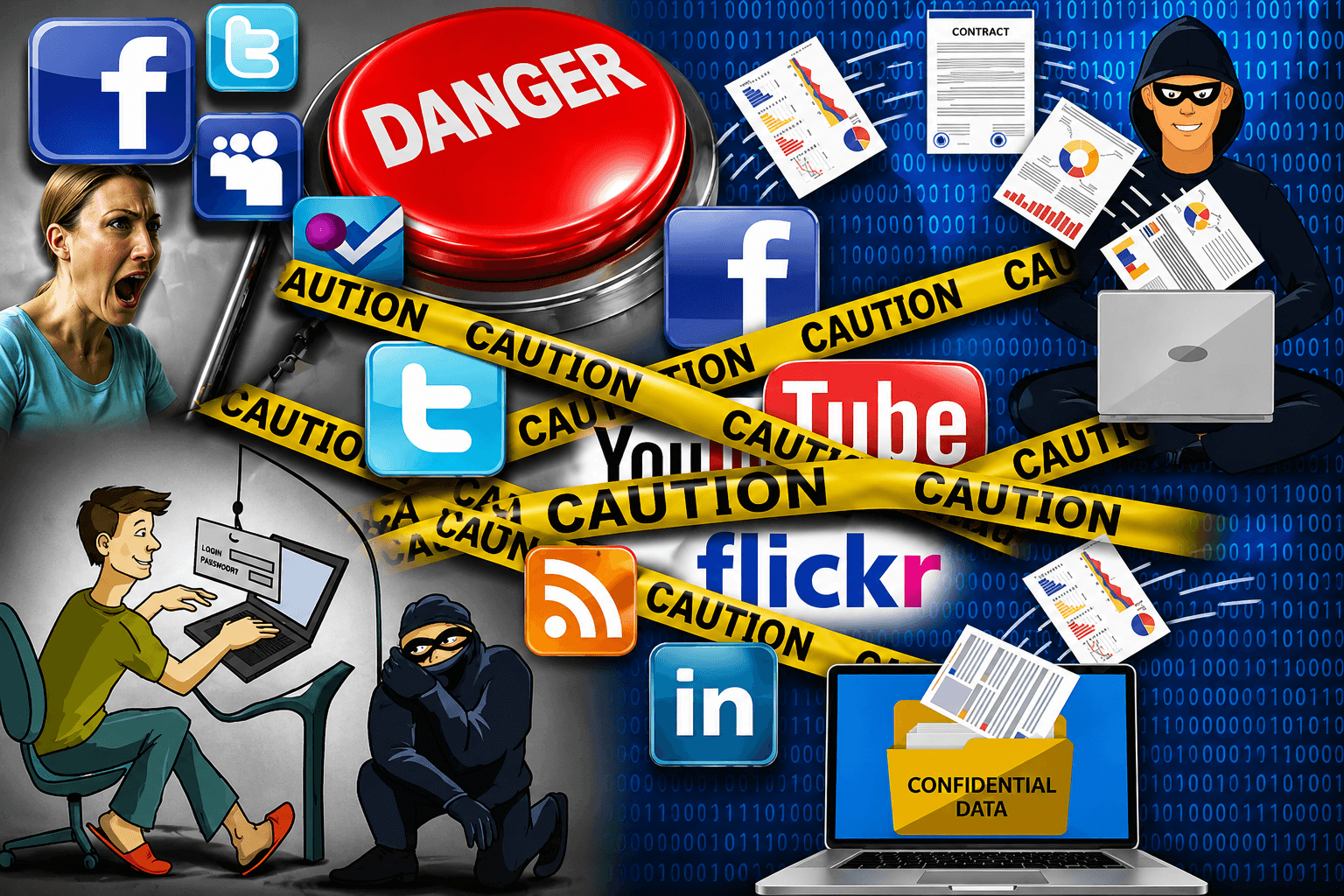 At the center of this challenge is Social Media. It drives engagement, builds communities, and supports visibility. At the same time, it attracts unwanted activity. Spam, abuse, and misleading content appear more often than expected. Therefore, managing these platforms requires more than simple monitoring.
In addition, users expect safe environments. They want to engage without concern. When platforms fail to provide that, users step away. This leads to lost opportunities and weakened brand trust. Because of this, protection must happen continuously.
Moreover, digital platforms are always active. There is no pause in activity. This means protection strategies must also operate without interruption. Reactive solutions are not enough. Businesses need systems that prevent issues before they escalate.
Ultimately, safety defines long-term success. Platforms that stay protected build stronger relationships with users. They create spaces where engagement grows naturally and consistently over time.
The Role of Monitoring in Preventing Digital Harm Early
Protecting platforms starts with visibility. Without it, risks go unnoticed until they grow too large. Therefore, monitoring must be detailed, consistent, and proactive. It allows teams to understand what is happening in real time.
 This is where QA Monitoring becomes essential. It focuses on reviewing interactions, identifying patterns, and ensuring that standards are followed. Instead of reacting late, businesses can address issues early.
Monitoring also creates accountability. When systems are reviewed regularly, performance improves. Teams follow guidelines more closely, and risks are reduced before they spread. As a result, platforms remain stable and reliable.
In addition, early detection saves time. Fixing problems after they grow often requires more effort. However, addressing them early prevents disruption. This keeps operations smooth and controlled.
At the same time, monitoring builds consistency. Every interaction follows the same level of quality and protection. Users receive a more predictable experience. Because of this, trust continues to grow.
Furthermore, monitoring supports better decision-making. It provides clear insights into what works and what needs improvement. With this information, businesses can adjust strategies without guesswork.
Overall, strong monitoring acts as the first line of defense. It ensures that platforms stay protected while maintaining high standards across every interaction.
Structured Systems That Keep Platforms Stable and Secure
While monitoring is critical, it must connect with strong systems. Without structure, even the best insights cannot create change. Therefore, protection requires both observation and action working together.
This is where reliable services play an important role. They bring together processes, tools, and support into one coordinated system. Instead of scattered efforts, businesses operate with clear direction.
Structured systems help teams respond faster. When an issue appears, there is already a plan in place. This reduces confusion and keeps responses consistent. As a result, platforms remain stable even under pressure.
In addition, systems reduce human error. Clear processes guide actions and decisions. Teams know exactly what to do and when to do it. This improves efficiency while maintaining strong protection.
Moreover, structured systems support scalability. As platforms grow, risks increase. Without the right setup, managing that growth becomes difficult. However, with proper systems, expansion remains controlled.
At the same time, integration matters. Different tools and channels must work together. When systems connect properly, information flows smoothly. This improves response time and overall effectiveness.
Furthermore, consistency becomes easier to maintain. Every part of the platform follows the same standards. This ensures that protection remains strong across all areas.
Ultimately, structure strengthens protection. It turns strategy into action and ensures that every part of the platform works together effectively.
Adapting Protection Across Different Business Environments
Not all platforms face the same risks. Each business operates in a unique environment. Because of this, protection strategies must adapt to different needs and expectations.
This is where understanding industries becomes important. Each sector has its own challenges. Some deal with high customer interaction, while others manage sensitive data. Therefore, protection must reflect these differences.
In addition, audience behavior varies across industries. What works for one platform may not work for another. Because of this, strategies must remain flexible. Adjustments should happen based on real data and experience.
Moreover, regulations also play a role. Some industries require strict compliance. Others focus more on engagement and communication. In both cases, protection must align with these requirements.
At the same time, industry trends change quickly. New risks appear as technology evolves. Therefore, protection strategies must stay updated. Regular reviews help businesses stay prepared.
Furthermore, adaptability supports long-term growth. Businesses that adjust quickly avoid major disruptions. They respond to change without losing control.
In addition, customization improves efficiency. When strategies match the environment, resources are used more effectively. This leads to better results with less effort.
Overall, adapting protection ensures relevance. It keeps platforms secure while allowing them to grow within their specific environment.
Long Term Protection Through Consistency and Smart Oversight
Protecting platforms is not a one-time effort. It requires ongoing attention and continuous improvement. Without consistency, even strong systems begin to weaken over time.
This is where BPOManila plays a critical role. With experience across multiple platforms, the focus remains on maintaining high standards through consistent oversight. This ensures that protection does not fade as systems evolve.
At the same time, consistency builds trust. Users return to platforms that feel safe and reliable. When every interaction meets expectations, confidence grows naturally.
Moreover, long-term protection depends on discipline. Teams must follow processes, review performance, and adjust when needed. This creates a cycle of improvement that strengthens systems over time.
In addition, oversight ensures that nothing is missed. Regular checks keep systems aligned with goals. This prevents small issues from turning into larger problems.
Furthermore, continuous improvement supports growth. As platforms expand, protection must scale with them. This requires a commitment to maintaining quality at every level.
Now is the time to strengthen your platform. Waiting often leads to greater risks. Early action creates better outcomes and reduces future challenges.
If you want to protect your platform and improve performance, take the next step today. Connect with a team that understands what it takes to manage risk in a digital space. Work with experts who prioritize safety, consistency, and long-term success.