


By Rowie
The Daily Gaps Slowing Modern Healthcare Teams
Small Delays Behind Everyday Healthcare Pressure
Healthcare teams move quickly every single day. Appointments continue filling schedules, patient concerns require immediate attention, and administrative work grows heavier across nearly every department. Although medical professionals remain focused on patient care, many daily operational gaps continue slowing overall healthcare experiences behind the scenes.
These problems often begin with small delays. A missed callback, an unanswered scheduling request, or a slow insurance update can quickly create larger communication issues throughout the day. While these situations may seem minor at first, they often affect patient satisfaction, staff workload, and overall workflow coordination.
BPOManila helps healthcare organizations reduce these communication gaps through organized support systems designed for modern healthcare environments. Better operational support creates smoother coordination while helping healthcare teams maintain stronger communication during busy daily operations.
Many healthcare providers still depend on outdated communication processes that slow response times and create unnecessary frustration for both staff members and patients. Patients now expect quicker updates and more responsive support throughout every stage of care. Therefore, healthcare organizations need systems that improve communication without increasing pressure on internal teams.
Another major challenge involves staffing limitations. Many offices operate with lean teams while handling growing patient demand. Administrative staff often manage scheduling, patient questions, insurance coordination, and documentation at the same time. Because of this, communication delays become more common during busy periods.
Patient communication also affects how people experience healthcare overall. Delayed responses can make patients feel ignored or disconnected during important moments. However, organized communication creates reassurance while helping patients feel more informed throughout their healthcare journey.
Healthcare environments continue changing rapidly as digital expectations increase across every industry. Patients now compare healthcare communication to the responsiveness they experience in other online services and support systems. Therefore, healthcare organizations must improve both speed and consistency throughout daily interactions.
Better coordination helps reduce operational pressure while creating smoother experiences across healthcare workflows. Stronger communication systems improve organization, reduce repeated follow ups, and help healthcare teams focus more attention on patient centered responsibilities.
Operational Gaps Across Modern Healthcare Environments
Many healthcare organizations experience communication breakdowns throughout different parts of their daily operations. These gaps often appear between scheduling teams, providers, administrative departments, and patient support channels. While each issue may seem small individually, together they create noticeable delays that affect the full healthcare experience.
One common challenge involves disconnected workflows between departments. Patients may receive incomplete updates, delayed callbacks, or repeated requests for the same information. These situations create frustration while also slowing overall coordination throughout healthcare environments.
Modern services help healthcare teams reduce these inefficiencies by improving organization and communication consistency across multiple operational areas. Better coordination allows healthcare staff to respond faster while maintaining smoother patient experiences throughout daily workflows.
Scheduling delays remain another major concern. Appointment coordination often becomes difficult when teams manage high call volumes and changing patient requests at the same time. Missed messages or slow responses can quickly affect patient satisfaction while increasing pressure on healthcare staff.
 Operational efficiency becomes harder to maintain when communication systems remain outdated or inconsistent. Administrative teams already handle large amounts of information every day. Therefore, healthcare organizations need support systems that simplify communication rather than creating additional confusion.
Another growing issue involves repetitive administrative work. Many healthcare employees spend large portions of the day handling tasks that could move more smoothly through organized digital coordination. This often reduces the time available for patient focused responsibilities and more urgent operational needs.
Healthcare providers also experience pressure connected to insurance verification and follow up coordination. Delayed updates can affect appointments, treatment approvals, and scheduling timelines. Stronger communication systems improve visibility while helping healthcare teams maintain smoother workflow management across departments.
Healthcare workflows improve when organizations create more reliable communication channels between staff members, providers, and patients. Better coordination reduces unnecessary delays while supporting stronger operational balance across healthcare environments.
Modern healthcare also depends heavily on adaptability. Patient expectations continue changing quickly, especially regarding response speed and digital accessibility. Organizations that improve communication systems often create stronger patient trust while supporting more stable daily operations overall.
The healthcare industry continues evolving alongside changing technology and rising patient demand. Therefore, reducing operational gaps has become essential for organizations that want to improve both efficiency and patient experiences across modern healthcare environments.
Stronger Support Across Expanding Healthcare Industries
Healthcare systems continue expanding across multiple specialized areas every year. From clinics and telehealth providers to large healthcare networks, organizations now face growing pressure to maintain smoother communication and more responsive support throughout daily operations. As these demands increase, stronger coordination becomes even more important.
Different healthcare industries experience unique operational challenges depending on patient volume, service type, and communication needs. However, one issue remains consistent across nearly every environment. Delayed communication often creates frustration for both staff members and patients alike.
HealthTech solutions continue helping healthcare organizations improve coordination through stronger digital support and organized communication systems. Better technology integration allows providers to maintain faster updates while improving accessibility across scheduling, patient outreach, and operational workflows.
Patients now expect healthcare interactions to feel easier and more responsive. Long wait times, repeated follow ups, and delayed updates no longer match modern communication expectations. Therefore, healthcare organizations must improve how they manage both patient engagement and operational coordination throughout daily workflows.
 Another important factor involves support coverage during busy periods. Many healthcare offices experience communication overload during peak scheduling hours. Strong operational support helps reduce delays while improving consistency across different communication channels and administrative responsibilities.
Healthcare organizations also benefit from stronger digital coordination behind the scenes. Organized systems improve visibility while helping teams track appointments, updates, and patient concerns more effectively. Better coordination creates smoother daily operations while reducing unnecessary workflow interruptions.
Digital coordination also supports stronger patient experiences because information moves more efficiently between departments and communication channels. Patients feel more informed while healthcare teams maintain better organization during fast paced operational periods.
Another major advantage involves long term adaptability. Healthcare environments continue changing alongside new technologies and growing patient expectations. Organizations that improve support systems now often create stronger flexibility for future operational growth and communication needs.
BPOManila continues helping healthcare organizations improve communication flow, operational support, and workflow coordination through modern systems designed for evolving healthcare environments. Better support helps reduce daily operational gaps while allowing healthcare teams to focus more attention on patient care responsibilities.
If your healthcare organization wants smoother coordination, stronger communication systems, and better operational support across modern healthcare environments, contact BPOManila today to learn how stronger support solutions can improve everyday healthcare performance.

 Many businesses now rely on dependable
  The continued expansion of
 Professional
  The growth of
 Every organization works differently. Some manage rapid expansion, while others focus on improving consistency, strengthening customer relationships, or preparing for future opportunities. Because no two businesses share exactly the same priorities, adaptable
  Organizations continue evolving as customer expectations, technology, and business priorities change over time. A dependable partner should evolve alongside those changes instead of offering the same solution to every client. Therefore, adaptability becomes one of the most valuable qualities in a long term business relationship.
 Customer expectations also continue increasing because online shopping provides immediate access to countless alternatives. A shopper who cannot find helpful information or timely assistance can easily visit another retailer within seconds. As a result, businesses must create experiences that encourage customers to stay engaged instead of continuing their search elsewhere. Helpful communication, reliable updates, and thoughtful service all contribute to stronger customer relationships.
 Strong
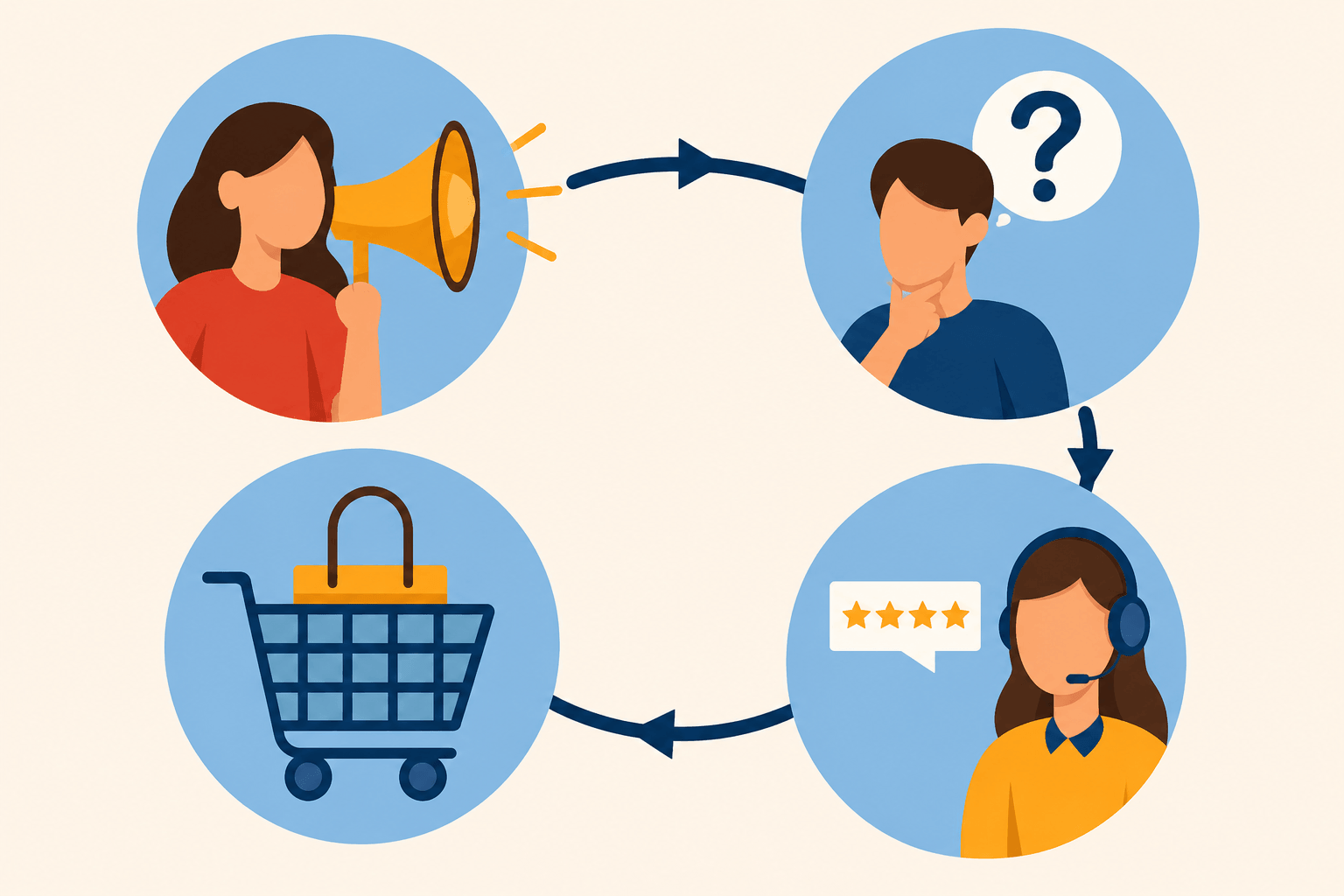 Businesses operating in competitive
  This commitment becomes especially important across
 Organizations operating in healthcare, finance, retail, ecommerce, travel, education, entertainment, and professional services all manage unique customer concerns every day. Some industries require rapid responses to technical questions, while others depend on appointment coordination, order management, or account assistance. Consequently, support teams must adapt their communication while maintaining professionalism across every interaction.
 Technology companies also manage a wide variety of customer interactions. Users may need account assistance, onboarding guidance, technical troubleshooting, subscription support, billing clarification, or product information. Managing all these requests internally can become challenging as customer bases continue growing. Dedicated support professionals help organizations maintain quick response times while allowing engineers and developers to focus on improving products instead of answering routine inquiries.
 Professional
  Every financial situation also deserves careful evaluation. Some individuals experience temporary setbacks caused by unexpected events, while others require longer term payment arrangements because their circumstances have changed. Recognizing these differences allows organizations to approach each conversation with greater understanding instead of relying on identical solutions for everyone. Flexible communication creates opportunities to identify practical arrangements that benefit both the customer and the organization.