


By Rowie
One Connected Marketplace across Screens Stores and Shoppers
Shopping no longer belongs to one place. A customer may discover an item on a phone, compare it on a laptop, inspect it in a store, and complete the purchase later. Each step shapes the same decision. Therefore, brands need a connected approach that respects how people move between digital carts and physical counters without seeing them as separate worlds.
BPOManila supports businesses that manage this mix of contact points. The focus is Retail + eCommerce, where speed, clarity, and continuity can affect every stage of the buying experience. Online buyers expect product information and quick answers. Store customers expect informed assistance and smooth checkout. Meanwhile, both groups want accurate updates when an order, payment, return, or delivery changes.
The cart and counter metaphor makes this shift easy to understand. The cart represents online discovery, saved items, checkout, and digital fulfillment. The counter represents direct human contact, local inventory, pickup, exchange, and face to face help. Yet the two sides now overlap. A shopper may place an order online and collect it at a store. Another may inspect a product in person before ordering it through an app.
Because these journeys cross channels, isolated information creates friction. A support agent needs access to current order details. A store team needs accurate pickup records. Likewise, customers should not have to repeat the same issue each time they switch from chat to phone or from a website to a branch.
Connected commerce does not require every interaction to look identical. Instead, it requires each channel to share reliable information and clear policies. As a result, customers can choose the most useful contact point without losing progress. Businesses can also understand demand more clearly, resolve issues sooner, and create a retail experience that feels coherent from the first search to the final receipt.
Digital Carts and Physical Counters along the Retail Journey
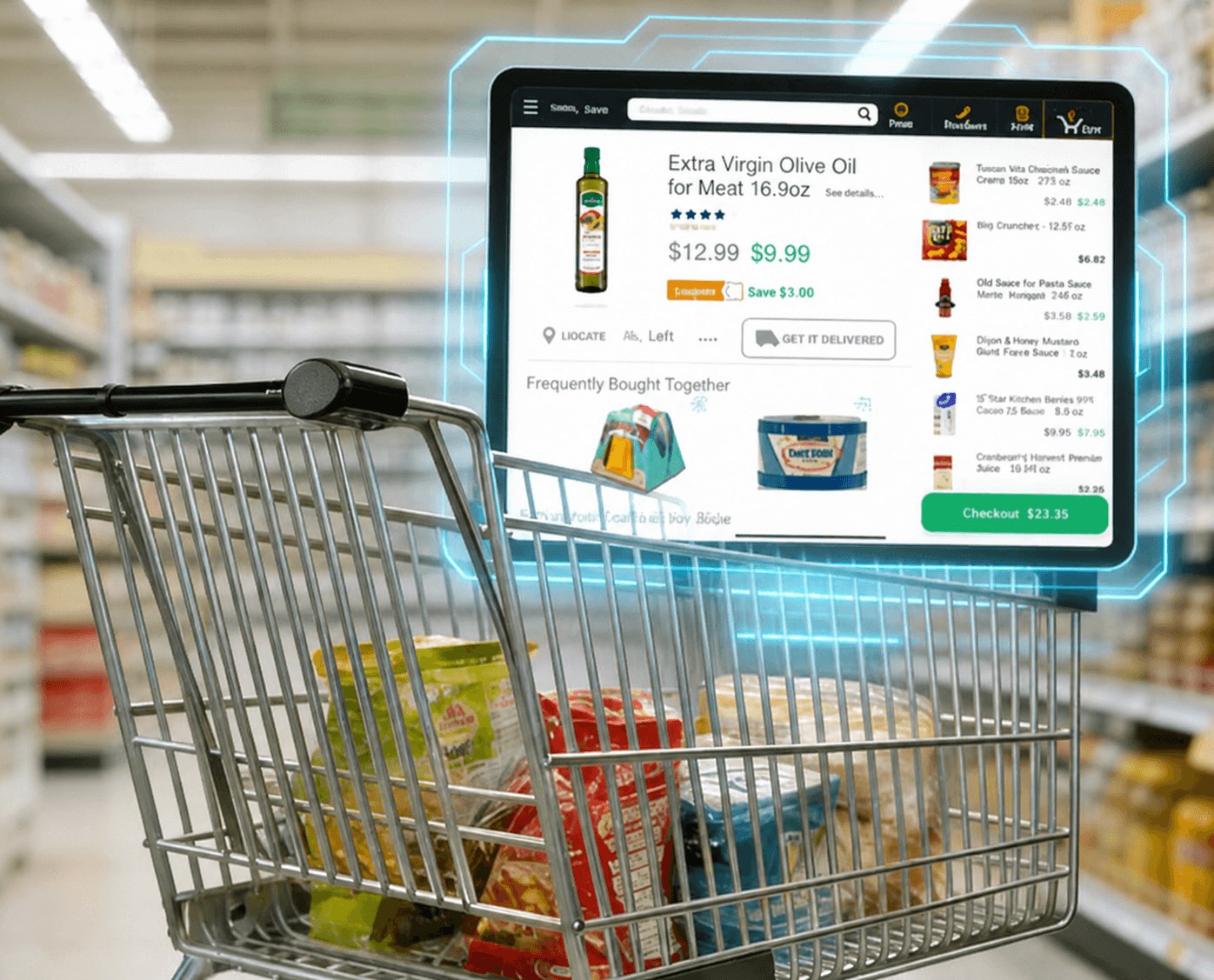 Cart captures the speed and choice of online shopping. Customers can browse, compare options, read product details, and move to checkout in minutes. However, convenience creates expectations. A missing size, unclear delivery date, failed payment, or confusing return rule can stop a purchase. Therefore, modern online retail needs responsive help near every decision.
The counter represents the physical side of commerce. It offers product contact, pickup, guidance, and a human exchange. Still, store visits depend on digital information. Customers may arrive after checking stock online. They may show an offer, request an online return, or ask about a delivery that began through another channel. As a result, counter teams need data and consistent policies.
Services connect these moments without turning the customer journey into a sales pitch. Customer Service for E-commerce and Retailers can assist with product questions, order status, exchanges, refunds, and concerns. Meanwhile, lead support can organize inquiries from shoppers who need more information before deciding. Both functions should use clear language and accurate records rather than pressure.
Commerce teams can also strengthen lead conversion by removing practical obstacles. For example, a timely answer about availability may help a customer complete a purchase. Likewise, a clear explanation of pickup rules can prevent an abandoned cart. The goal is not to force a decision. Instead, teams should give customers enough reliable information to make their own choice.
The best cart and counter experience feels connected even when different people handle each step. Shared notes, current order data, and defined escalation rules help achieve that result. Moreover, teams should protect customer information and limit access to authorized staff. When businesses combine useful digital access with capable human assistance, both channels become easier to navigate. Customers gain flexibility, while retailers gain clearer insight into recurring questions, service gaps, and purchase barriers.
Practical Resources across Diverse Commerce Operations Today
 Modern commerce spans business models, customer needs, and sales cycles. Yet retail deserves attention because it brings digital and physical activity together daily. Among the industries that use outside operational help, commerce teams face sharp volume changes, product questions, payment concerns, delivery updates, and returns. These demands can rise during promotions, holidays, launches, or disruptions.
IT support helps protect the systems behind those moments. Teams may assist users with account access, checkout issues, ticket routing, or troubleshooting steps. They can also document recurring technical problems for specialists. However, support agents should follow access rules and avoid making changes beyond their authority.
Quality also requires regular review. Through QA monitoring, trained reviewers can assess accuracy, policy use, professionalism, documentation, and resolution steps. The goal is not to punish normal human mistakes. Instead, review findings can guide coaching, clarify confusing procedures, and reveal where tools create extra work. As a result, leaders receive practical evidence for improvement.
The retail journey also benefits from thoughtful lead generation. A business may collect interest through product alerts, loyalty forms, event registrations, or approved campaign responses. Yet consent, relevance, and honest communication matter. Teams should record preferences correctly and avoid misleading claims. Good outreach helps interested people find useful information without treating every contact as an automatic sale.
Across these functions, balance remains essential. Retail communication should feel natural, helpful, and suited to the customer’s request. At the same time, agents need dependable systems, current knowledge, and clear escalation points. This approach gives the topic a balanced character rather than a stiff corporate message. It also reflects the real nature of connected commerce. Digital tools may carry the information, but people still interpret questions, solve unusual problems, and explain the next step in plain language. Together, these capabilities support steady operations across both carts and counters.
Fresh Commercial Possibilities for Every Customer Moment Now
The era of commerce offers value because it helps businesses view shopping as a connected experience. Customers do not divide their needs according to departments. They want information, choices, and help. Therefore, organizations should design support around the journey rather than forcing people to understand how teams operate.
A starting point is a map of customer actions. Leaders can review discovery, product questions, checkout, payment, fulfillment, pickup, returns, and follow up. Next, they can identify where information becomes inconsistent. This review may reveal contacts, ownership, records, or rules that differ between a website and a store.
Data can then guide improvements. Contact reasons may show which product details need wording. Return questions may reveal a policy page. Likewise, pickup delays may point to coordination between order systems and store teams. However, numbers need context. Managers should pair reports with conversation reviews, staff feedback, and customer comments before making decisions.
Retailers should prepare for changing demand. Cross trained agents, knowledge resources, and escalation plans can support busy periods. In addition, leaders can set measures for accuracy, response time, resolution, and customer effort. Fast replies matter, yet a wrong answer creates more work. Balanced measures encourage both speed and care.
Ultimately, cart and counter are no longer competing ideas. They are two entrances to the same commercial relationship. Online access gives customers freedom, while physical spaces offer direct contact and immediate product experience. Businesses create stronger journeys when information follows the customer and support remains consistent across each channel.
The next era belongs to organizations that connect tools, teams, and customer needs with purpose. If your business wants dependable operational support for an evolving retail environment, contact us. Together, we can identify practical ways to improve response, preserve accuracy, and create smoother experiences from digital discovery to the store counter and beyond.