


By Rowie
Customer Trust Signals Across Expanding Commerce Channels
Online shopping grows each year. However, while digital storefronts attract attention, long term success depends on trust. Customers rarely stay loyal to a brand without reliable support. Therefore, strong communication and quick assistance shape modern ecommerce relationships.
Many shoppers now expect answers immediately. If they encounter a problem with an order or payment, they want help within minutes. Because of this expectation, customer service has become a defining factor in digital commerce. Quick responses reassure buyers that a company values their experience.
Additionally, modern ecommerce interactions occur across several channels. Customers may send messages through chat, email, social platforms, or phone calls. As a result, companies must maintain consistent communication across all contact points. When responses remain clear and helpful, shoppers feel confident returning to the same store.
This is where specialized support teams play a vital role. Providers like BPOManila help businesses maintain steady communication with customers. Through trained agents and structured workflows, support teams manage inquiries, order concerns, and product questions efficiently.
Moreover, trust grows when businesses respond with empathy. Customers want to feel heard rather than processed through automated systems. Therefore, trained support representatives listen carefully before offering solutions. When shoppers receive helpful responses, their perception of the brand improves.
Another important factor involves proactive communication. Businesses that follow up after purchases often strengthen relationships further. A quick confirmation message or satisfaction check shows customers that their experience matters.
Ultimately, ecommerce success extends beyond product listings and promotions. Strong relationships form when communication remains consistent and helpful. Through responsive support and thoughtful engagement, companies create connections that encourage repeat purchases and lasting loyalty.
Service Coordination Supporting Ecommerce Customer Engagement
Customer relationships in ecommerce depend on coordinated service operations. Behind every smooth interaction lies a structured support system that ensures inquiries move efficiently through each stage of resolution.
 Support teams frequently rely on several operational services to maintain responsiveness. For example, lead generation helps businesses identify new prospects who show interest in their products. When companies capture early interest, they gain opportunities to build relationships before the first purchase even happens.
Meanwhile, lead support plays an important role once potential customers reach out with questions. Many shoppers request product details, shipping information, or return policies before completing a purchase. By assisting these early interactions, support teams reduce uncertainty and guide customers toward confident decisions.
Furthermore, support services often rely on operational tools that track communication patterns. Systems such as call monitoring help supervisors review conversations and maintain quality standards. Through this process, companies ensure that every interaction reflects professionalism and helpful guidance.
Another useful feature involves the callback function. When customers cannot wait on hold, callback systems allow them to receive assistance later without losing their place in the queue. This simple adjustment reduces frustration and improves satisfaction.
Support coordination also involves efficient routing. Customer questions must reach the right department quickly. Therefore, structured communication channels help agents deliver faster answers.
Because ecommerce environments change quickly, businesses must adjust their service systems regularly. Seasonal promotions, new products, and high traffic periods often increase support demand.
When service coordination remains organized and responsive, businesses build stronger relationships with their customers. Reliable assistance transforms simple transactions into meaningful experiences that encourage shoppers to return again.
Operational Knowledge Strengthening Reliable Service Delivery
Effective customer relationships depend on accurate information. When customers ask questions, they expect clear and confident answers. Therefore, support teams must rely on structured knowledge systems that help them respond quickly.
For ecommerce companies, product details, shipping policies, and return procedures frequently change. Without reliable internal resources, agents may struggle to provide accurate guidance. However, organized support platforms simplify this process.
One critical component involves technical support. Customers sometimes encounter issues with website accounts, payment systems, or order tracking tools. When support representatives resolve these concerns quickly, customers regain confidence in the purchasing process.
Technology also plays a role behind the scenes. Many ecommerce businesses operate through complex systems that manage orders, inventory, and payment data. Strong support teams understand how these systems function so they can guide customers effectively.
Additionally, structured communication records improve service quality. Detailed call notes allow agents to review previous conversations before responding to new inquiries. As a result, customers avoid repeating their concerns every time they reach out for help.
Clear documentation also benefits support teams. When agents record customer interactions accurately, companies can identify patterns within service requests. This insight helps organizations refine their support strategies.
Training remains another key factor. Agents must understand products, policies, and communication techniques before handling customer inquiries. Ongoing training programs help representatives stay informed about new updates or product releases.
Ultimately, operational knowledge ensures that support teams deliver consistent service. When agents possess accurate information and reliable tools, they respond confidently to customer needs.
Through structured systems and knowledgeable representatives, ecommerce businesses maintain support experiences that customers trust and appreciate.
Cross Industry Support Influence on Ecommerce Service Growth
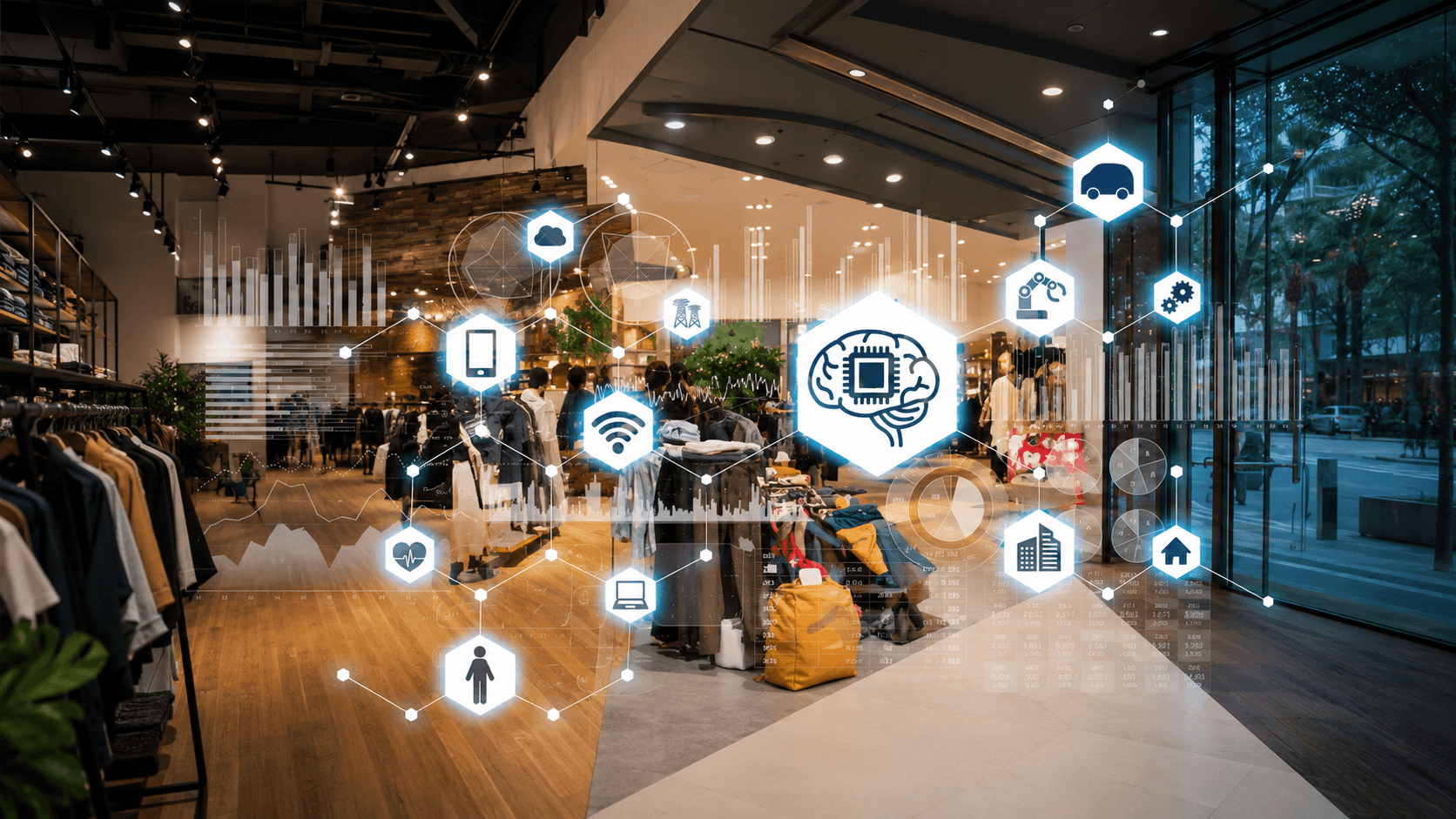 Customer support strategies often extend beyond a single industry. While ecommerce businesses rely heavily on service teams, many support practices originate from other sectors that manage large customer interactions.
For example, the retail + ecommerce sector frequently adapts operational models developed in broader commerce environments. Physical retail stores have long relied on direct communication with customers. Today, ecommerce companies translate those principles into online support experiences.
Another industry shaping modern service strategies is technology. Technology companies often manage large volumes of technical inquiries and user assistance requests. Their structured support systems influence how ecommerce platforms organize service teams and communication workflows.
Additionally, industries that manage complex digital products frequently develop advanced monitoring tools and communication systems. Ecommerce businesses benefit from these innovations by adopting similar service structures.
Support services also contribute to operational efficiency across industries. When companies analyze communication patterns and customer concerns, they gain insights that improve both products and service delivery.
Furthermore, industry collaboration encourages innovation. Companies often share strategies that improve customer experiences across sectors. For instance, new communication platforms or service analytics tools may first appear in technology environments before expanding into ecommerce operations.
As industries continue to evolve, customer support strategies grow more sophisticated. Businesses that adopt best practices from multiple sectors often gain a competitive advantage.
Ultimately, customer relationships strengthen when support teams adapt successful strategies from across industries. By learning from diverse operational environments, ecommerce companies refine their service models and deliver stronger customer experiences.
Long Term Customer Loyalty Through Consistent Support Value
Customer relationships rarely develop from a single interaction. Instead, loyalty grows through repeated positive experiences. Each helpful conversation reinforces trust between a company and its customers.
Support teams contribute greatly to this process. When customers receive consistent assistance, they feel confident returning to the same brand for future purchases. Reliable communication builds familiarity, which eventually strengthens loyalty.
However, consistency requires careful coordination. Service teams must maintain clear guidelines, reliable tools, and well trained representatives. Without these elements, even strong businesses struggle to deliver dependable support.
Companies that invest in professional support infrastructure often see lasting results. Through structured service systems and skilled agents, businesses maintain communication that remains helpful and respectful.
Organizations seeking to strengthen their ecommerce relationships often work with experienced partners such as BPOManila. Dedicated support teams help manage large volumes of inquiries while maintaining service quality. Businesses exploring ways to improve customer engagement often reach out to experienced service providers for guidance and support.
Additionally, ongoing communication keeps customers connected with a brand. Follow up messages, order confirmations, and helpful updates remind shoppers that their experience matters.
Over time, these small interactions create meaningful relationships. Customers begin to trust the reliability of the service behind the product.
When businesses prioritize consistent support, they build more than transactions. They create lasting connections with the people who choose their products again and again.
Companies interested in strengthening their customer engagement strategies often explore new support solutions. By improving communication and responsiveness, businesses can create ecommerce experiences that encourage loyalty and long term growth.