

By Rowie
Speed and Stability as Competing Priorities
Fast results often attract attention. Leaders feel pressure to move quickly, respond instantly, and show momentum. However, speed alone does not build lasting operations. Stable systems focus on repeatable outcomes rather than short bursts of performance. The difference between fast and stable becomes clear when demand increases.
Fast systems react. Stable systems prepare. When teams rely only on speed, processes stretch thin. Mistakes rise quietly. Burnout follows soon after. Stability prevents this cycle by creating consistency. Teams know what to expect. Customers receive reliable responses. Leaders gain visibility.
BPOManila approaches support with this balance in mind. The focus stays on clarity first, then efficiency. Preparation allows speed to exist without sacrificing quality. Systems handle pressure without collapsing.
Stability also protects growth. As volume increases, prepared teams adjust smoothly. They do not scramble. Instead, they rely on structure and shared understanding. This keeps service levels consistent even during peak demand.
Ultimately, speed works best when supported by stable foundations. Without them, growth stalls. With them, progress continues without friction.
Industry Pressure and Performance Expectations
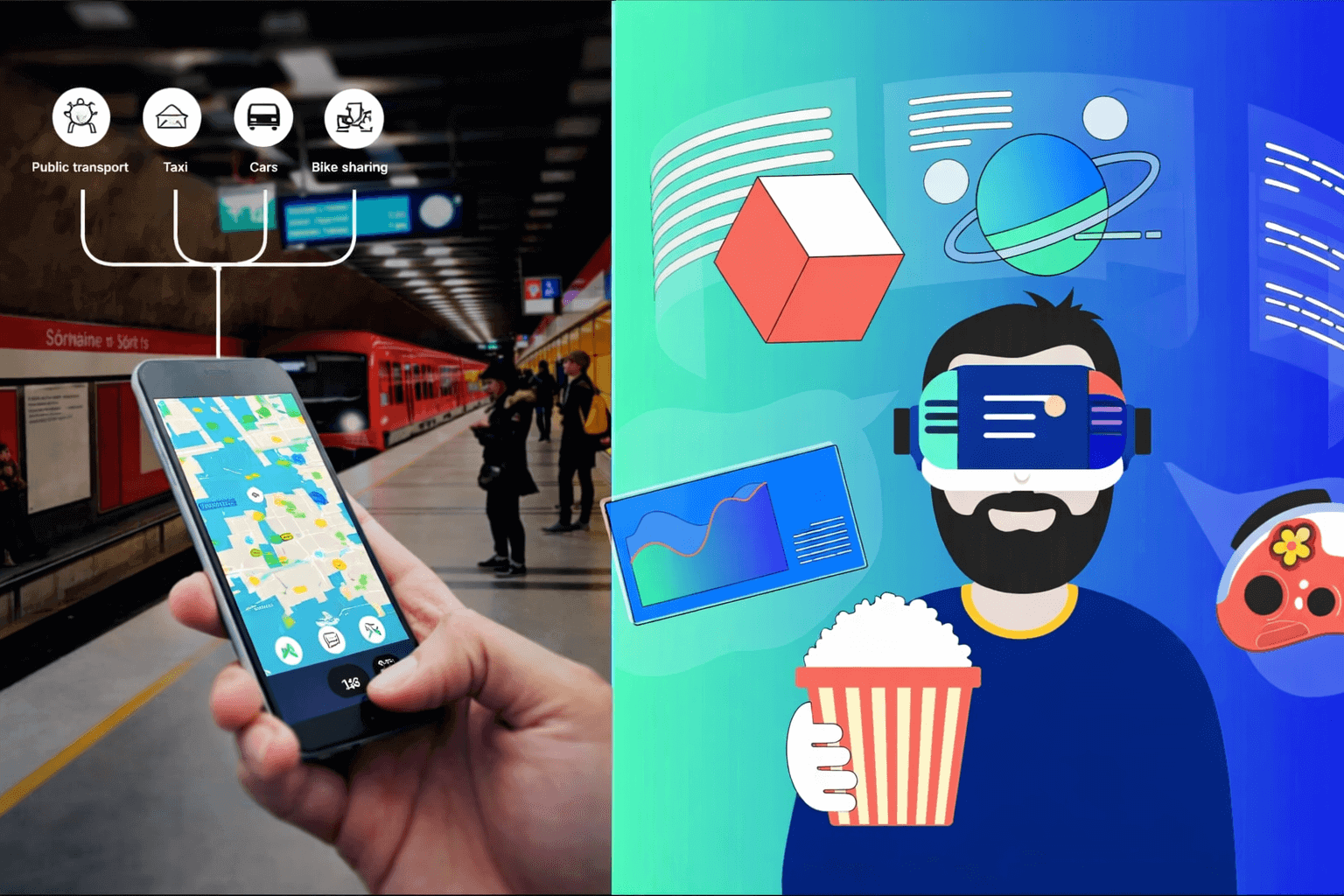
Every business faces pressure, yet industries experience it differently. Understanding that difference shapes better support decisions. In Entertainment + Gaming FinTech, response time matters deeply. Users expect instant answers. At the same time, accuracy and security remain critical. Stability ensures trust stays intact.
For On-Demand Travel + Transportation, volume changes quickly. Support teams handle cancellations, delays, and real time updates. Stability keeps communication calm and clear even during spikes. Speed alone would overwhelm teams.
In Technology, product changes arrive often. Support teams manage evolving information. Stable training and documentation keep responses accurate. Without structure, confusion spreads quickly.
Across industries, sustainable performance depends on preparation. Speed delivers impact only when teams feel supported and informed.
Support Infrastructure That Keeps Systems Aligned
Infrastructure determines how well teams perform under pressure. Reliable technical support keeps platforms responsive and accessible. When systems run smoothly, teams focus on people instead of problems.
Visibility also matters. Call monitoring provides insight into tone, clarity, and consistency. Leaders identify strengths and gaps quickly. Feedback becomes specific and actionable.
Workload balance plays a role as well. Call distribution prevents overload by spreading volume evenly. Teams maintain energy and accuracy longer. Meanwhile, a power dialer improves efficiency without forcing pace.
Each element supports stability. Together, they create environments where speed feels natural rather than forced.
Operational Flow That Reduces Friction

Stable systems rely on flow. Clear paths reduce hesitation. Defined expectations reduce stress. When teams understand processes, performance improves naturally.
Escalation paths guide decision making. Documentation supports confidence. Consistent schedules protect focus. These elements reduce friction while maintaining pace.
A simple example is the callback process. Clear timing and ownership prevent repeated contact. Customers feel respected. Teams regain control of their workflow.
Flow allows teams to move quickly without rushing. That distinction protects morale and results over time.
Choosing Momentum That Lasts
Organizations often choose between appearing fast and building something durable. Sustainable growth favors stability. Systems that last adapt without losing direction.
Understanding support priorities starts conversations. Alignment builds clarity. When teams connect with the right partners, progress follows naturally without pressure.
The difference between fast and stable becomes clear with time. Stability creates momentum that lasts. Speed then becomes a benefit, not a risk.