


By Rowie
Streamlining Administrative Work in Healthcare Safely
Responsive Communication Through Dedicated Support Excellence
Administrative responsibilities continue to grow across healthcare organizations. As patient expectations increase, every interaction becomes more important. While technology supports many daily activities, people still expect clear communication and timely assistance whenever they contact a provider. Therefore, organizations must maintain reliable communication without slowing other critical operations.
Many providers strengthen their services by improving communication at every stage of the patient journey. From answering general questions to confirming appointments and providing updates, every interaction influences patient confidence. When responses arrive quickly and accurately, patients feel informed and valued. Consequently, organizations create stronger relationships while reducing unnecessary follow-up requests.
One of the most valuable administrative functions is Customer Service. Although the role often begins with answering calls or responding to messages, it extends much further. Skilled support professionals help patients schedule appointments, verify information, direct inquiries to the correct department, explain general processes, and provide updates that keep communication flowing smoothly. As a result, clinical staff spend less time handling routine administrative requests and more time focusing on patient care.
Effective customer service also improves consistency across the organization. Patients receive the same level of professionalism regardless of how they choose to communicate. Whether they call, email, or use online messaging, standardized communication creates a dependable experience. Furthermore, organized support reduces missed appointments, improves scheduling accuracy, and helps patients complete necessary administrative steps before their visits.
Administrative support also benefits healthcare employees. Instead of constantly shifting between patient care and routine administrative responsibilities, teams can focus on their primary expertise. Consequently, daily workflows become more organized while internal collaboration improves across departments. Clear communication also reduces confusion, allowing information to move efficiently between administrative personnel and healthcare professionals.
As organizations continue expanding, scalable administrative solutions become increasingly important. Many providers therefore invest in business process outsourcing to strengthen operational capacity without compromising service quality. Professional outsourcing teams follow established procedures, maintain consistent communication standards, and adapt to changing workloads throughout the year. This flexibility allows organizations to respond effectively during busy periods while maintaining reliable support every day.
Strong communication also contributes to a better patient experience. Patients appreciate timely responses, organized scheduling, and clear information before and after appointments. Small improvements in communication often create lasting impressions that encourage trust and satisfaction. In addition, dependable support helps reduce uncertainty during situations that may already feel stressful for patients and their families.
Ultimately, healthcare organizations benefit when administrative communication receives the same attention as clinical excellence. Reliable support, consistent processes, and responsive customer interactions strengthen daily operations while helping providers meet growing expectations. Together, these improvements create a more efficient environment where both patients and healthcare professionals experience better outcomes.
Digital Innovation Across Modern Healthcare Organizations Today
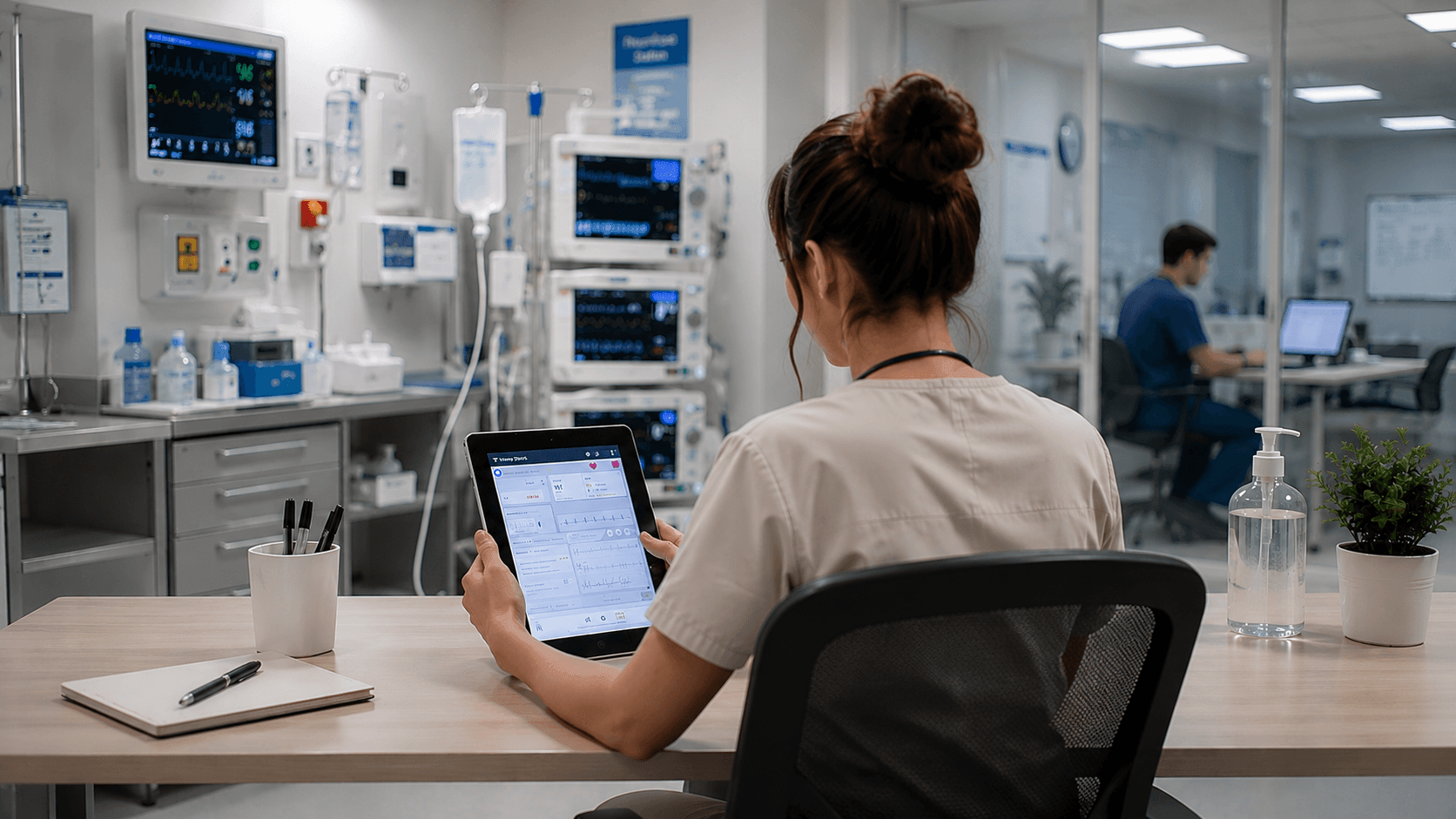 Healthcare continues to evolve as digital tools become part of everyday operations. From electronic health records to virtual consultations and patient portals, technology helps organizations deliver faster and more connected care. However, successful digital transformation depends on more than software alone. Administrative processes must also remain organized so healthcare teams can fully benefit from new technology while maintaining efficient daily operations.
Many healthcare industries now invest in solutions that improve communication, simplify documentation, and enhance coordination between departments. These improvements help organizations respond more quickly to patient needs while supporting better collaboration among healthcare professionals. As digital systems become more advanced, administrative teams also play an important role in keeping information accurate, organized, and accessible.
One of the fastest-growing sectors driving these improvements is HealthTech. This industry develops innovative technologies that support healthcare providers through electronic medical records, patient engagement platforms, scheduling systems, remote monitoring, artificial intelligence, and secure communication tools. These solutions reduce manual work while improving access to important information across healthcare organizations. As a result, providers can make informed decisions faster and deliver more consistent patient experiences.
Even with advanced technology, people remain essential to successful operations. Administrative professionals help ensure that patient information is updated correctly, appointments are coordinated efficiently, and communication flows between departments without unnecessary delays. Therefore, combining digital innovation with experienced administrative support creates stronger operational performance than relying on technology alone.
Healthcare organizations also benefit from dependable back office support that complements digital systems. Tasks such as document management, data entry, reporting, and records administration require careful attention to detail. When these responsibilities receive dedicated support, healthcare professionals spend less time on routine administrative work and more time delivering quality patient care. Consequently, organizations improve productivity while maintaining accuracy throughout daily operations.
Technology also allows healthcare providers to become more adaptable. As patient volumes increase or organizational priorities shift, digital platforms help streamline workflows while administrative teams maintain continuity across multiple processes. Furthermore, efficient coordination reduces unnecessary interruptions and helps organizations respond confidently to changing operational demands.
These improvements contribute directly to stronger operational efficiency. Faster communication, organized documentation, and consistent administrative processes help healthcare organizations reduce delays while supporting sustainable growth. More importantly, efficient operations create a better environment for both employees and patients, allowing providers to deliver dependable service without sacrificing quality.
As healthcare continues embracing digital innovation, organizations that combine modern technology with skilled administrative support position themselves for long-term success. Together, these resources strengthen everyday operations, improve patient interactions, and create a more resilient foundation for future growth.
Stronger Healthcare Operations With Trusted Support
 Administrative excellence does not happen overnight. Instead, it develops through consistent processes, dependable communication, and the ability to adapt as healthcare organizations continue to grow. While technology improves efficiency, experienced administrative professionals provide the human support that keeps daily operations organized. Therefore, combining both creates a stronger foundation for long-term success.
Organizations that invest in reliable administrative support often experience smoother workflows, improved patient satisfaction, and better collaboration across departments. Moreover, healthcare professionals can dedicate more attention to clinical responsibilities because routine administrative tasks receive consistent oversight. As a result, the entire organization benefits from improved productivity and stronger operational stability.
Choosing the right support partner also makes a meaningful difference. A trusted outsourcing provider understands the importance of professionalism, accuracy, and responsive communication. These qualities help healthcare organizations maintain service standards while adapting to changing patient volumes and evolving business requirements. Furthermore, scalable support allows providers to expand confidently without placing unnecessary pressure on internal teams.
Every healthcare organization has unique goals, operational challenges, and growth plans. Consequently, administrative solutions should align with those specific needs instead of following a one-size-fits-all approach. Flexible support services allow organizations to strengthen communication, improve coordination, and maintain consistent administrative performance regardless of their size or specialty.
Organizations looking to improve administrative operations can benefit from working with experienced professionals who understand modern healthcare environments. Whether the objective is improving communication, strengthening operational efficiency, or supporting digital transformation, having dependable administrative expertise creates measurable value over time.
If your organization is exploring practical ways to strengthen administrative operations, now is an excellent time to learn more about available solutions. The team at BPOManila is ready to discuss your goals and provide guidance that aligns with your operational priorities. Reach out to us today to discover how experienced administrative support can help your healthcare organization operate more efficiently while continuing to deliver exceptional patient experiences.

 One of the strongest contributors to customer happiness is
  Among today’s fastest moving markets,