
Built for the Pace of Everyday Customer Needs and Fast Decisions

Modern Customer Demands and Rapid Business Shifts

Customer expectations change faster than ever. Because digital access never pauses, businesses must respond without delay. Speed now shapes loyalty, and therefore every interaction carries weight. Companies that hesitate risk losing attention instantly.

BPOManila understands this pressure clearly. Instead of applying rigid processes, the company adapts to real time demand. As a result, clients experience structured communication that moves at the same pace as their customers.

Daily operations require more than availability. They require alignment between workflow and market behavior. When support teams operate with clear direction, response time improves naturally. Consequently, resolution rates increase without sacrificing accuracy.

Moreover, consistent documentation strengthens internal clarity. Teams review interactions, refine scripts, and adjust tone as needed. That ongoing refinement improves reliability.

Strong coordination within a structured Call Center model also reduces confusion. When routing systems function efficiently, inquiries reach the right agent quickly. Therefore, customers avoid unnecessary transfers.

Digital markets reward proactive planning. Because demand fluctuates throughout the day, adaptive scheduling protects stability. Leaders analyze performance trends and adjust staffing accordingly.

Operational discipline also shapes reputation. Businesses that deliver steady communication build trust gradually. Meanwhile, companies that respond inconsistently lose credibility.

Customer conversations now influence public perception instantly. Reviews and social feedback reflect service quality openly. For that reason, organizations must treat each interaction as a brand moment.

Sustained success depends on preparation rather than reaction. Teams that anticipate volume shifts remain confident under pressure.

In a competitive environment, responsiveness and structure define leadership. Companies that refine both achieve measurable growth.

Precision and Accountability Within Core Services

Effective operational frameworks depend on reliable services. Clear responsibilities and defined escalation paths prevent confusion. As a result, customer conversations remain focused and productive.

One essential capability is Customer Service. When representatives handle inquiries with clarity and consistency, businesses build long term trust. Instead of rushing responses, trained agents follow structured guidelines that ensure accuracy.

Because customers often contact support during urgent moments, empathy becomes critical. However, empathy alone cannot solve complex issues. Therefore, detailed knowledge systems support agents during live interactions.

Structured workflows also enhance performance transparency. Supervisors review metrics regularly to maintain quality standards. Through Call Monitoring, leadership identifies strengths and improvement areas objectively.

Additionally, intelligent Call Distribution ensures balanced workloads. When inquiries route strategically, wait times decrease. Consequently, satisfaction levels improve steadily.

Data analysis plays an equally important role. Tracking resolution rates and response times reveals operational gaps. Once identified, teams adjust processes quickly.

Clear reporting builds accountability. Clients understand performance benchmarks and review results consistently.

Technical challenges sometimes arise during service interactions. In those moments, integrated Technical Support capabilities strengthen problem resolution. Rather than transferring issues repeatedly, teams collaborate efficiently.

Reliable systems transform daily communication into measurable outcomes. Businesses that invest in disciplined service management reduce friction significantly.

As competition intensifies, organizations that refine operational detail outperform reactive competitors.

Scalable Systems and Measurable Operational Strength

Growth requires flexibility. Companies expand offerings, enter new markets, and manage higher inquiry volumes over time. Therefore, support models must evolve without disruption.

Scalable systems allow teams to adapt smoothly. When processes remain organized, expansion does not create chaos. Instead, workload increases feel manageable.

Consistent documentation supports that scalability. Agents access centralized knowledge bases that update regularly. Because information remains clear, service quality stays stable.

Performance dashboards also enhance transparency. Leaders review call metrics and identify seasonal trends. As a result, staffing decisions align with demand patterns.

Automation tools further streamline operations. Routine tasks require less manual effort. Consequently, representatives focus on complex conversations.

Structured scheduling protects productivity during peak periods. When demand spikes, prepared teams respond confidently.

Moreover, alignment between communication channels reduces duplication. Instead of repeating answers across platforms, agents access unified records.

Operational maturity develops through repetition and evaluation. Teams refine scripts, analyze customer feedback, and improve continuously.

Clear internal communication also strengthens morale. When expectations remain defined, employees perform confidently.

Businesses that approach service management strategically gain long term resilience. They respond quickly yet maintain precision.

Because markets never stand still, adaptability becomes a lasting advantage.

Sector Specific Expertise Across Key Industries

Different industries demand tailored communication styles. Customers in each sector expect distinct forms of clarity. Therefore, operational planning must reflect those expectations carefully.

For example, Retail + eCommerce environments operate at high volume. Customers track orders, returns, and payment updates constantly. When support teams respond quickly and accurately, satisfaction improves immediately.

During promotional periods, inquiry numbers rise sharply. Structured workflows ensure that agents maintain speed without sacrificing quality.

Meanwhile, organizations within Technology require detailed explanations. Customers often request assistance with software tools or platform updates. Clear guidance and calm communication reduce frustration.

Accuracy becomes especially important in technical conversations. Miscommunication can lead to repeated inquiries. Therefore, knowledgeable agents strengthen efficiency.

Understanding sector language improves personalization. Instead of generic scripts, teams adjust phrasing based on industry expectations.

Cross industry exposure also builds adaptability. Lessons learned in one environment often improve performance in another.

Because expectations vary widely, structured preparation ensures reliability across sectors.

Businesses that tailor communication based on industry context build stronger relationships.

Strategic Collaboration and Confident Forward Motion

Sustained growth requires partnership built on clarity and discipline. Companies that align support models with business objectives maintain stronger control over customer experience.

Performance transparency encourages accountability. When metrics guide improvement, progress becomes measurable.

Operational readiness also reduces risk during expansion. As organizations grow, adaptable frameworks maintain stability.

Clear coordination between internal teams and external partners strengthens alignment. Consequently, strategic decisions reflect real data rather than assumptions.

Organizations that value precision and speed create competitive advantage daily.

If your business seeks structured responsiveness built for evolving demand, reach out to us and explore how disciplined support strategies can reinforce your growth trajectory.

Prepared teams respond confidently. Structured systems maintain stability. Thoughtful collaboration transforms daily interactions into long term trust.

Businesses that move decisively thrive in fast paced markets. With refined coordination and measurable oversight, forward momentum becomes sustainable rather than reactive.


When Industries Expand Who Handles the Pressure?

Momentum Rising and the Weight of Opportunity

When Industries Expand Who Handles the Pressure? It sounds intense at first. However, growth pressure is not negative. It signals demand. It reflects traction. It proves that something is working. The real question is not whether pressure exists. It is whether a company can carry it without slowing down.

What happens when customer inquiries double overnight? Do internal teams celebrate, or do they quietly panic? That moment reveals readiness. Because expansion brings visibility, it also exposes gaps. Systems get tested. Teams get stretched. Expectations rise.

This is where operational partners step forward. BPOManila understands that expansion requires more than ambition. It requires organized execution. Instead of reacting to sudden demand, companies must anticipate it. Therefore, support systems must scale with intention.

Pressure during growth often shows up in communication channels first. Phone queues lengthen. Email response times expand. Live chat volumes spike. However, these signs do not mean failure. They indicate opportunity. When managed correctly, high demand becomes proof of relevance.

Scaling wisely means preparing before strain appears. It means creating bandwidth before exhaustion sets in. As markets evolve quickly, internal teams need reinforcement that strengthens performance instead of replacing it.

Growth is exciting. Yet excitement alone does not handle pressure. Preparation does. Infrastructure does. People do. And when momentum builds, the right partner ensures that expansion feels controlled rather than chaotic.

Operational Support Systems and Revenue Acceleration

As businesses expand, front line interactions increase. More inquiries mean more conversations. More conversations create more opportunities. However, opportunity requires process. Without coordination, potential revenue slips away.

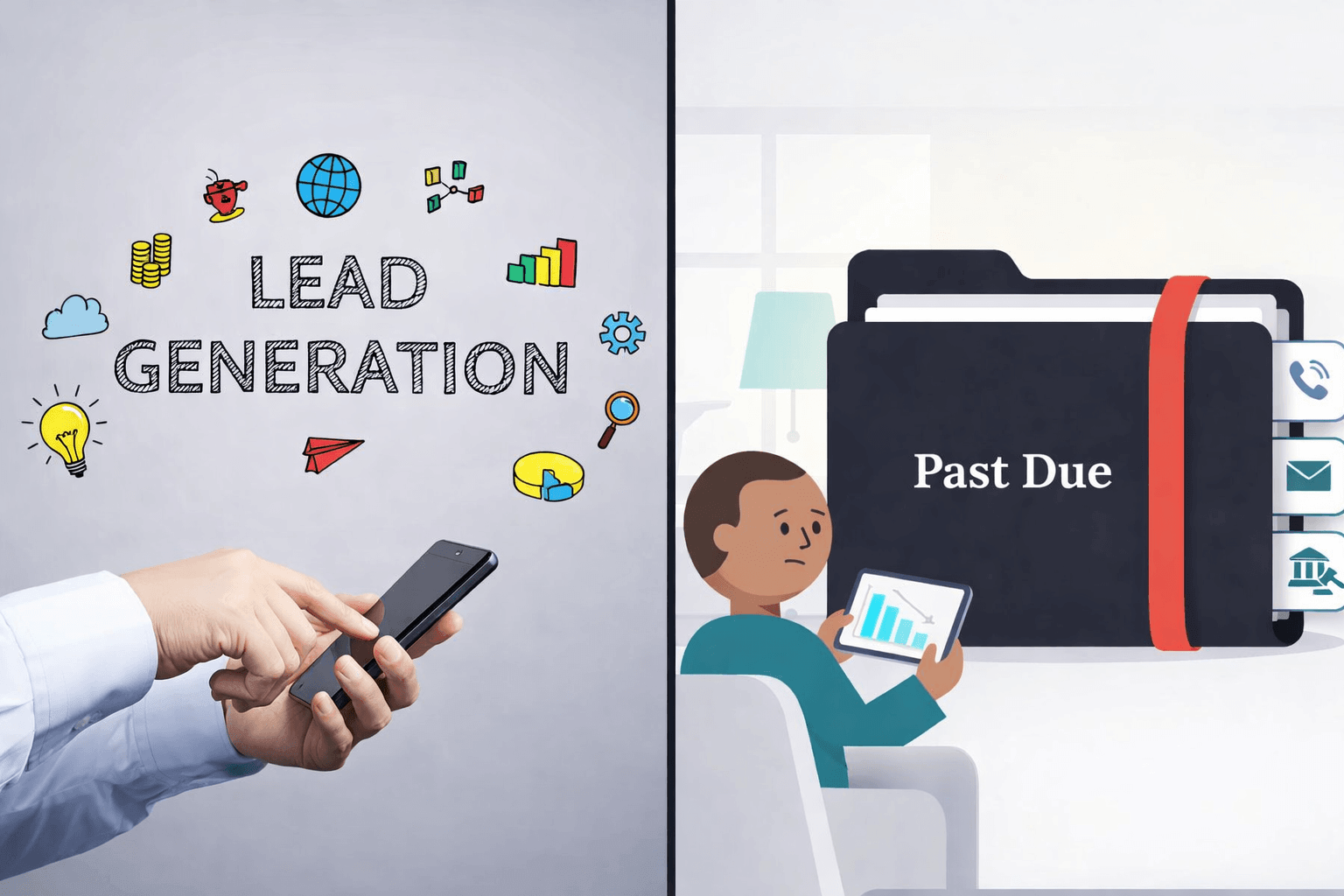
Strong services act as stabilizers during high demand. For example, targeted Lead Generation initiatives ensure that incoming interest does not overwhelm internal sales teams. Instead of random outreach, structured prospect pipelines maintain focus. Therefore, growth becomes directed rather than scattered.

Consider a mid sized brand experiencing rapid traction after a marketing push. Website visits surge. Call volumes rise. Social engagement multiplies. Yet without organized intake, conversion rates drop. Why? Because internal staff cannot respond quickly enough.

This is where support teams matter. A responsive Call Center absorbs incoming traffic efficiently. Smart Call Distribution routes inquiries to the right agents based on expertise. As a result, customers feel heard immediately.

Monitoring performance also improves quality. Through systematic Call Monitoring, managers identify strengths and refine communication standards. Feedback loops strengthen agent performance. Consequently, consistency improves across every interaction.

Technical questions demand deeper attention. Structured Technical Support teams resolve issues without burdening core departments. Instead of diverting developers or account managers, specialized agents handle inquiries with precision.

Operational reinforcement does not dilute brand identity. Instead, it protects it. When customers receive timely and knowledgeable responses, trust grows. Revenue expands. Momentum sustains itself because infrastructure keeps pace with demand.

Data Visibility and Performance Intelligence

Handling growth pressure requires insight. Guesswork creates risk. Data creates direction. Therefore, performance metrics must remain visible at all times.

Real time reporting clarifies volume trends. Leaders track response times, resolution rates, and escalation patterns. Because visibility supports accountability, teams adapt quickly. Adjustments happen before minor issues become larger concerns.

Consider how growth affects service quality. When volume increases, consistency can decline. However, measurable standards protect performance. Monitoring tools highlight where support excels and where improvement is needed.

Data also guides staffing decisions. Instead of hiring reactively, companies forecast demand using historical patterns. As a result, workforce planning aligns with anticipated surges. This proactive approach reduces strain during peak seasons.

Quality assurance reinforces operational discipline. Clear metrics drive coaching sessions. Constructive feedback improves accuracy and empathy. Over time, teams develop stronger communication habits.

Performance intelligence strengthens leadership confidence. When executives see measurable progress, they invest further in scaling initiatives. Growth then feels manageable because evidence supports expansion.

Pressure transforms into productive energy when insight leads to strategy. Companies that prioritize measurement avoid surprises. They move forward with clarity instead of uncertainty.

Industry Expansion and Market Specific Demands

Expansion rarely looks identical across sectors. Different industries experience pressure in distinct ways. Therefore, operational reinforcement must align with market behavior.

Take Retail + eCommerce as an example. Seasonal spikes, promotional campaigns, and product launches create sudden demand. Customer inquiries surge within hours. Returns and tracking questions increase rapidly. Without scalable support, satisfaction drops. However, structured assistance absorbs these waves smoothly.

Technology driven sectors also face unique challenges. Rapid product updates require accurate communication. Users expect instant guidance. Delays can damage credibility quickly. Therefore, knowledgeable agents must understand evolving features and system changes.

Health oriented platforms require empathy and compliance awareness. Sensitive information demands careful handling. Agents must balance speed with discretion. Precision protects both brand and consumer trust.

Each sector expands at its own pace. Some grow steadily. Others experience explosive traction. However, all benefit from reinforcement that understands context.

BPOManila works across varied markets by aligning expertise with sector needs. Instead of generic support, teams adapt communication style, compliance standards, and performance expectations based on the environment they serve.

When industries expand, demand rises across multiple channels simultaneously. Calls, emails, chat, and social engagement all increase together. Coordinated systems ensure that no inquiry goes unanswered. Growth then feels organized rather than overwhelming.

Positive pressure signals market validation. The key lies in channeling that validation into sustainable systems.

Sustained Momentum and Confident Collaboration

Expansion should feel empowering. It should reflect progress, not stress. However, that outcome depends on preparation.

When operational reinforcement aligns with company vision, growth stabilizes. Teams remain focused on innovation while support functions manage volume. This balance protects creativity.

Momentum continues when leaders act early. They recognize patterns. They adjust their capacity. They reinforce communication channels before bottlenecks appear.

If your organization is experiencing rising demand, ask a simple question. Are you prepared to sustain it next quarter? Growth rarely pauses. It compounds. Therefore, readiness must scale accordingly.

Support partnerships create breathing room. They allow internal teams to refine strategy while external reinforcement manages interaction flow. Confidence replaces urgency.

BPOManila collaborates with expanding companies to ensure that opportunity never becomes strain. Through coordinated systems and disciplined execution, high demand transforms into long term advantage.

Pressure during expansion is not something to fear. It is proof that the market is responding. The real opportunity lies in handling that response wisely.

When industries expand, someone must carry the operational weight. With the right alignment, that responsibility feels empowering. If you are preparing for your next stage of growth, consider how structured reinforcement can sustain your progress. Reach out to begin a conversation that turns positive pressure into lasting performance.

Operational Agility in High Growth Markets

Acceleration Cycles and Competitive Market Pressure

Fast growing markets rarely slow down. Consumer demand shifts quickly. New players enter the field constantly. Because of this pace, companies must move without hesitation.

Rapid activity brings opportunity, yet it also brings strain. Inquiry volumes climb. Product questions increase. Internal teams feel the weight immediately. If response capacity does not expand, delays follow.

BPOManila works with organizations experiencing this momentum. The company strengthens day to day operations so internal departments remain focused on growth objectives. Instead of reacting to overload, businesses maintain control over output.

Market acceleration requires fast adaptation. Processes that once felt efficient may become restrictive. Therefore flexible operational design becomes essential.

Clarity plays a major role during growth phases. Leaders need current performance visibility. Real time reporting allows quick adjustments when workload patterns change.

Additionally demand spikes often appear without warning. Promotional launches or public announcements can double interaction levels overnight. Without preparation, quality declines.

Agility depends on readiness rather than improvisation. When teams anticipate fluctuation, execution remains smooth.

Companies that respond quickly retain customer confidence. Those that hesitate risk losing engagement. Therefore operational responsiveness becomes a competitive advantage.

High growth markets reward precision and speed. With disciplined planning and consistent execution, businesses maintain forward motion even under pressure.

Outreach Precision and Opportunity Development

Customer acquisition requires active pursuit. Therefore outreach must remain steady regardless of workload intensity.

Comprehensive services support organized prospect engagement. Instead of scattered efforts, businesses benefit from coordinated communication patterns.

Dedicated Lead Generation initiatives identify qualified prospects consistently. Representatives analyze criteria carefully before initiating contact. This preparation improves engagement quality.

Financial follow through also matters. Structured Debt Collection processes encourage responsible account resolution. Clear communication balances professionalism with firmness.

Opportunity development thrives when follow ups occur on time. Delayed responses weaken interest. Therefore disciplined outreach schedules protect momentum.

Clear documentation enhances communication continuity. Teams review prior interactions before initiating new contact. This approach reduces confusion and repetition.

Agile outreach systems allow internal leadership to focus on product improvement and market positioning. External support absorbs communication volume efficiently.

Fast moving markets amplify prospect activity. However consistent engagement patterns ensure that inquiries receive attention without delay.

Well coordinated opportunity development transforms fluctuating demand into measurable progress.

Through refined outreach execution and organized follow up processes, businesses preserve growth momentum while maintaining communication clarity.

Client Interaction Excellence and Technical Enablement

Customer perception depends on interaction quality. When responses feel rushed or unclear, confidence weakens. Therefore professional engagement remains essential.

Reliable Customer Service ensures inquiries receive prompt and thoughtful attention. Representatives follow communication guidelines that prioritize clarity and empathy.

Operational agility also depends on technological capability. Continuous IT Development refines internal platforms to handle increasing activity levels. Efficient systems reduce manual friction across departments.

Technology enhancements support faster ticket resolution. Automated routing directs requests to appropriate personnel. As a result, response time improves.

Cross functional collaboration strengthens interaction flow. Teams share insights that improve response accuracy. Clear information exchange reduces repeated explanations.

Agile environments require adaptable staffing distribution. When demand increases temporarily, resource allocation shifts accordingly. This flexibility protects response consistency.

Transparent reporting also strengthens improvement efforts. Leaders review interaction metrics regularly and refine their approach when needed.

High growth environments highlight operational gaps quickly. However disciplined client engagement prevents those gaps from expanding.

Through focused interaction standards and reliable technical capability, businesses maintain service excellence even during rapid activity surges.

Digital Engagement and Emerging Market Environments

Modern communication channels extend beyond traditional contact points. Organizations must maintain presence across evolving industries.

Digital communities active on Social Media platforms expect immediate acknowledgment. Delayed replies may attract public criticism. Therefore agile communication handling becomes vital.

Financial innovation within FinTech environments introduces additional complexity. Customers expect secure and precise interaction. Clear documentation and disciplined communication reduce risk.

Emerging digital markets move quickly. Consumer preferences shift based on trend cycles. Agile operational support allows companies to respond without hesitation.

Audience expectations vary across industries. Some prioritize rapid troubleshooting. Others value detailed guidance. Therefore communication style must align with audience profile.

Exposure to diverse environments enhances adaptability. Lessons from digital platforms inform improvements in traditional channels.

Agility also requires awareness of regulatory considerations. Certain industries demand stricter documentation standards. Clear protocols protect compliance.

Companies that adapt engagement methods according to market context maintain stronger public perception.

Through attentive digital communication and awareness of emerging environments, organizations protect brand credibility while navigating evolving marketplaces.

Confident Growth Alignment and Future Readiness

Long term advancement depends on reliable collaboration. Businesses require partners who adapt as conditions evolve.

An organized Call Center environment supports communication reliability during busy cycles. Structured call routing and disciplined reporting enhance clarity.

Internal teams benefit from balanced responsibility distribution. External support absorbs communication demand while leadership concentrates on development goals.

Forward readiness depends on preparation rather than reaction. Evaluating operational capacity before demand peaks reduces stress.

Clear performance measurement fosters confidence. Leaders make informed decisions when metrics remain transparent.

Growth often introduces uncertainty. However, thoughtful planning transforms uncertainty into manageable progression.

Organizations preparing for future activity should assess communication flow, staffing distribution, and technical readiness. Identifying adjustment areas early prevents later disruption.

If your organization seeks dependable operational alignment within fast growing markets, reach out to us for a detailed conversation. Careful evaluation reveals where agility can enhance output.

Markets will continue to evolve. Yet businesses equipped with responsive execution, refined engagement standards, and adaptable communication channels maintain steady progress regardless of momentum shifts.

Support Systems for the Demands of Modern Industry

Market Acceleration and Operational Readiness

Modern enterprises operate in fast moving markets. Demand rises without warning. Customer expectations grow sharper each year. Therefore operational readiness determines whether a company scales or stalls.

Organizations require structured reinforcement when internal capacity reaches its limit. If support systems weaken, performance gaps appear quickly. However disciplined outsourcing restores balance before disruption spreads.

BPOManila supports companies seeking sustainable operational alignment. Rather than offering surface level assistance, the company integrates performance driven models tied to measurable objectives. As a result, clients maintain stability even during unpredictable demand cycles.

Rapid growth increases workload across departments at the same time. Sales pipelines expand. Technical inquiries multiply. Customer follow ups accumulate. Because of this expansion, coordination must remain precise.

Centralized visibility protects continuity. Leadership reviews productivity patterns consistently. Consequently decisions rely on measurable insight instead of assumption.

Scalable workforce allocation allows organizations to adjust without delay. When activity intensifies, support increases accordingly. Conversely when demand stabilizes, operational costs remain efficient.

Modern industry rewards precision. Delays damage credibility. Fragmented workflows weaken trust. Therefore reliable reinforcement becomes a strategic advantage rather than an emergency measure.

Through disciplined coordination and measurable accountability, organizations strengthen operational integrity while preparing for sustained expansion.

Revenue Continuity Through Structured Engagement Models

Revenue generation depends on consistency. Prospects expect immediate engagement. Therefore outreach systems must remain organized and proactive.

Comprehensive operational solutions reinforce revenue continuity across every interaction stage. Instead of reacting inconsistently, organizations benefit from structured outreach frameworks that guide engagement.

Dedicated Lead Sales initiatives maintain active prospect pipelines. Representatives follow defined communication guidelines while adapting to client signals. This approach improves conversion potential steadily.

Meanwhile Lead Support ensures prospects receive clarification before committing. Instead of losing interest, potential clients remain engaged through thoughtful follow ups.

Revenue stability also requires evaluation. Structured reporting highlights performance gaps before they impact outcomes. Consequently leadership adjusts strategy with confidence.

Transparent coordination strengthens accountability. Sales objectives align with measurable indicators rather than vague expectations.

Consistent engagement reinforces brand perception. When prospects experience prompt communication, trust develops naturally. That trust supports long term growth.

Organizations seeking sustainable revenue recognize that structured outreach prevents opportunity leakage. Each interaction contributes to pipeline stability.

Through disciplined engagement models and performance awareness, companies maintain steady momentum within competitive markets.

Performance Integrity and Quality Assurance Oversight

Operational stability requires measurable oversight. Without review mechanisms, performance drifts gradually. Therefore consistent evaluation remains essential.

Structured QA Monitoring ensures communication standards remain aligned with expectations. Supervisors review interaction accuracy regularly. This discipline preserves professionalism.

Systematic Call Monitoring captures conversation insights that guide improvement. Managers assess clarity, tone, and adherence to guidelines. Because evaluation occurs consistently, refinement becomes continuous.

Centralized documentation strengthens transparency. Recorded interaction histories provide reliable reference when reviewing concerns. This process reduces internal miscommunication.

Clear performance metrics also improve forecasting accuracy. When leaders analyze workload trends, staffing adjustments become proactive. Consequently service levels remain consistent during fluctuating demand.

Oversight enhances internal confidence. Employees understand expectations because standards remain visible. This clarity increases focus and accountability.

Quality control protects reputation. Customers expect dependable engagement at every stage. Therefore structured monitoring safeguards operational credibility.

Regular performance evaluation does not slow operations. Instead it sharpens efficiency by identifying improvement opportunities early.

Through disciplined oversight and transparent measurement, organizations protect operational integrity while sustaining performance momentum.

Cross Sector Flexibility Across Expanding Industries

Operational demands differ across industries, yet responsiveness remains universally essential. Therefore adaptability defines long term sustainability.

Organizations within Technology sectors often require rapid troubleshooting and digital assistance. Scalable reinforcement ensures continuity during peak usage periods.

Meanwhile companies in Retail + eCommerce prioritize accurate order handling and consistent engagement. Structured coordination improves inquiry routing and resolution speed.

Cross sector adaptability strengthens strategic awareness. Exposure to diverse operational models reveals transferable best practices. Consequently solutions remain flexible rather than rigid.

Expanding markets introduce regulatory variations and shifting customer expectations. Structured reinforcement accommodates these differences without disrupting workflow.

Adaptability also supports market diversification. When organizations enter new verticals, scalable workforce alignment absorbs increased demand efficiently.

Sector specific understanding enhances execution. Lessons from one environment inform improvements in another. This cross market insight strengthens resilience.

Companies that adjust quickly preserve competitive advantage. Structured coordination transforms uncertainty into manageable progression.

Through adaptable workforce planning and disciplined execution, enterprises maintain stability across evolving economic conditions.

Strategic Collaboration and Sustainable Expansion Alignment

Long term success depends on collaborative clarity. Outsourcing relationships must align with measurable objectives. Therefore communication remains structured and continuous.

Reliable IT Support strengthens internal infrastructure during growth phases. When technical interruptions arise, resolution occurs promptly. This stability protects productivity.

Sustainable reinforcement reduces operational strain. Internal teams concentrate on strategic initiatives while external support manages defined responsibilities. This division enhances focus.

Structured partnerships also protect financial planning. Flexible allocation prevents unnecessary overhead while maintaining readiness. Consequently profitability improves steadily.

Organizations evaluating reinforcement should assess workflow inefficiencies carefully. Identifying pressure points provides direction for meaningful improvement.

Scalable collaboration fosters resilience. As workload increases, support capacity expands smoothly. Conversely when volume stabilizes, resources remain optimized.

Clear alignment between internal leadership and outsourced teams preserves operational continuity. Transparent reporting strengthens trust.

Modern enterprises require reinforcement that evolves with market shifts. Disciplined coordination ensures growth does not compromise performance standards.

Through measurable accountability and adaptable workforce planning, organizations strengthen competitive positioning across dynamic markets.

Sustained expansion becomes achievable when structured collaboration supports operational precision at every stage.